80 calories: The low-calorie freeze option for holiday dinners
A dietitian identifies five frozen products that help control portions and maintain protein intake during the December holidays.
By Julian Schulz ·
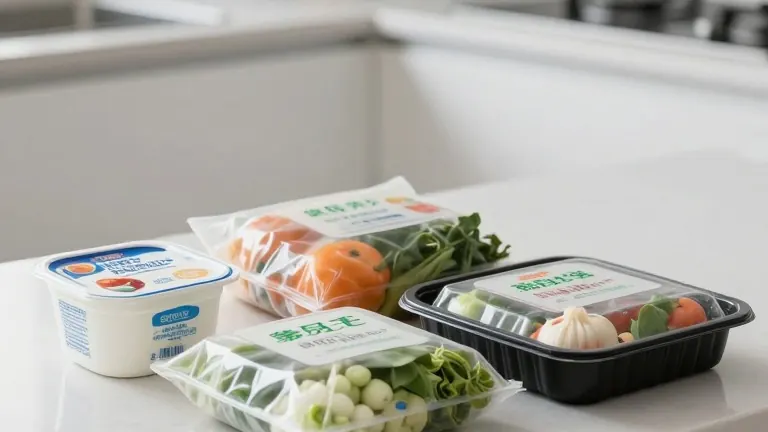
Some frozen yogurt bars contain as few as 80 to 100 calories, a figure that sports dietitian Tara Collingwood cites as a practical alternative to traditional holiday desserts. For families aiming to manage their weight during the Christmas season, these low-calorie items offer a way to satisfy a sweet tooth without a large caloric load.
Collingwood, an expert in nutrition and exercise, advises consumers to select frozen meals that provide at least 20 grams of protein and include fiber. She notes that these nutrients promote satiety, helping diners feel fuller for longer. The goal is to avoid highly processed items that are heavy in fats or sugars, which can disrupt dietary goals during the festive period.
The specialist recommends five specific frozen products that align with these criteria. Smart Ones offers breakfasts and main dishes with controlled portions, which helps prevent accidental overeating. Healthy Choice provides options like grilled chicken bowls and cauliflower curry, which are described as low in calories but high in protein and vegetables. Green Giant frozen vegetables, such as broccoli and carrots, add volume and fiber to meals when prepared without added sauces or butter.
Beyond savory meals, Collingwood points to Yasso Greek yogurt bars as a dessert substitute. These bars allow individuals to enjoy a treat while keeping calorie intake within a manageable range. Dr. Praeger’s products, including vegetable burgers and fish sticks, also make the list. Collingwood highlights that these items contain less saturated fat and calories than many standard options and are free of artificial additives.
No single food guarantees weight control, according to Collingwood. The primary factor remains portion size and the overall balance of the diet. The U.S. Food and Drug Administration advises consumers to check the number of servings per container. This step is important because the nutritional information on the label often refers to a single serving, which may be smaller than the amount a person actually eats.
The American Heart Association adds that consumers should choose frozen fruits and vegetables that lack added sauces, sugar, or salt. These plain options serve as reliable tools for maintaining healthy eating habits during the holidays. By focusing on protein, fiber, and accurate portion tracking, diners can incorporate these frozen items into their festive menus.