Affirm and Klarna replace layaway for Black shoppers facing holiday price spikes
Black households use buy-now, pay-later services at high rates as traditional banking exclusions and rising costs drive a $21.3 billion holiday spend.
By Nia Foster ·
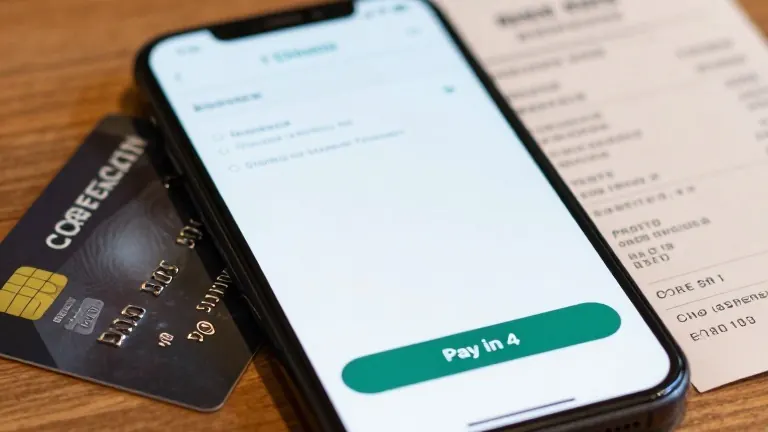
A structural shift in holiday financing is placing greater burden on Black families as retailers phase out traditional layaway plans. Shoppers who previously used interest-free installment programs are now relying on short-term point-of-sale lenders like Affirm and Klarna. These platforms charge fees and interest that can strain household budgets already tight from rising prices.
The reliance on these digital loans stems from specific financial barriers. Federal Reserve data shows that Black applicants are denied credit at twice the rate of white applicants. Additionally, the Federal Deposit Insurance Corporation reports that 10% of Black households lack a checking or savings account, compared to 1.9% of white households. Without access to standard banking tools, these consumers use apps that require only a soft credit check and a debit card to split purchases into four bi-weekly payments.
Retailers have embraced this model because it transfers the risk of nonpayment to the financing provider. The store receives the full purchase price upfront, minus a small processing fee, while the lender assumes the default risk. Industry data indicates that offering these installment options increases average order values by 30% to 85% and boosts checkout conversions by 20% to 30% compared to standard payment methods.
For consumers, the immediate benefit is access to goods without a multi-week wait. However, the cost of defaulting is higher than under traditional layaway. If a payment is missed, Klarna charges late fees of up to $7 per installment. Extended payment plans can carry an annual percentage rate of up to 36%. Failed automatic debits from checking accounts often trigger bank overdraft penalties, which Bankrate data says are charged on 94% of checking accounts.
These fees compound for a demographic already facing financial pressure. A Motley Fool Money analysis found that 25% of Black Americans paid an overdraft fee in the past year, more than double the national average of 12%. Unpaid accounts may be sent to collectors and reported to credit bureaus, where negative marks remain for up to seven years. LendingTree data shows that 47% of buy-now, pay-later users made at least one late payment in the last year, up from 41% the previous year.
Usage of these services is expanding beyond gifts to include daily necessities. The Urban Institute found that nearly 1 in 10 working-age adults use installment services to buy food. LendingTree tracking shows that grocery financing through these platforms has doubled to 29% of users from 14% two years ago. Federal Reserve Board data reveals that Black adults represent 29% of all buy-now, pay-later users.
The holiday season will test this financial model further. Adobe Analytics projects that installment spending will reach $21.3 billion this year, a 7% increase over the previous record. This growth occurs despite high costs, as PwC estimates average gift spending at $708 per shopper. Wells Fargo Agri-Food Institute data shows a 10-person Thanksgiving dinner now costs $78.93, which is 61% higher than in 2019. As these automated repayment schedules extend into the new year, the cost of the holiday shopping season will persist for many families well past January.
More Business · Consumer Watch · Report a business · Got a Story?