Bangladesh garment workers secure 36 percent wage increase after prolonged protests
The government-appointed wage board has raised the sector's minimum pay to 17,500 taka, a move that follows months of strikes causing significant economic losses.
By Tomas Gonzalez ·
Workers in the Bangladeshi garment sector have reached a new wage agreement following weeks of intense protests. The government-appointed wage board announced on Wednesday that a majority of its members agreed to raise the minimum monthly salary from 12,500 taka, equivalent to 100 dollars, to 17,500 taka, or 136 dollars. This represents a 36 percent increase for the industry's workforce.
The decision comes after months of demonstrations that have disrupted production and strained the national economy. Estimates suggest the protests cost the country hundreds of millions of dollars in lost revenue. The central bank of Bangladesh describes the garment industry as the country's export engine, highlighting its critical role in the national financial structure.
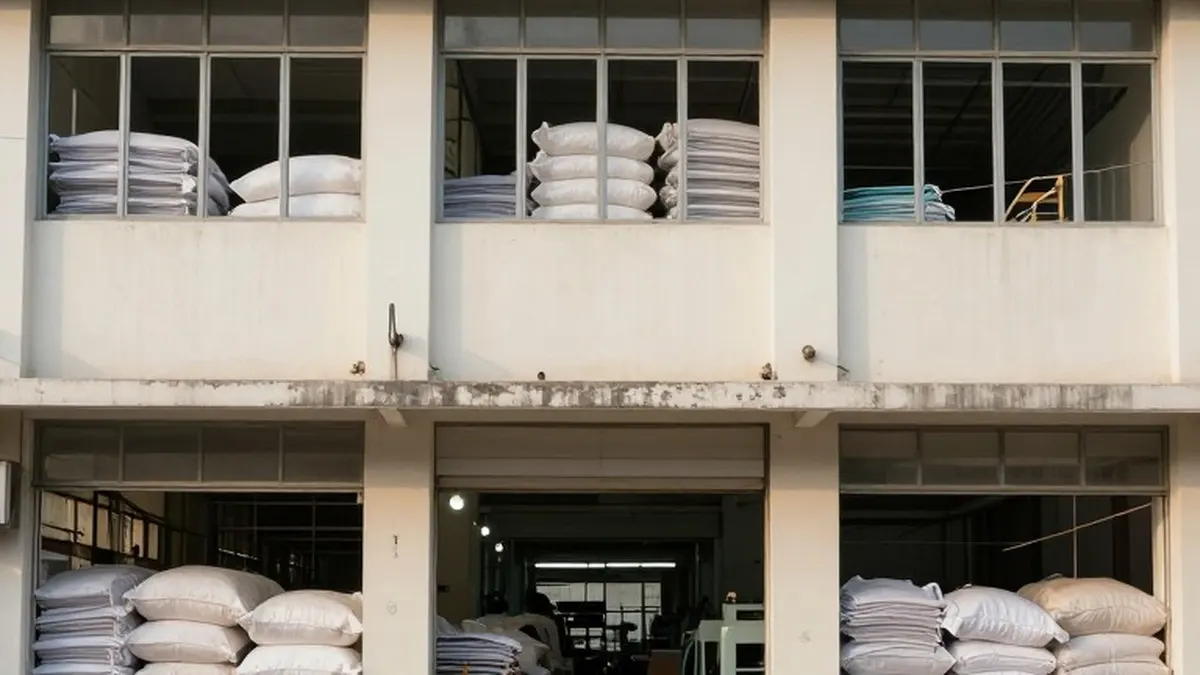
The sector is a cornerstone of the economy, generating approximately 38 billion dollars annually. It employs four million people and accounts for four-fifths of the country's total exports. A significant portion of the workforce consists of women from rural areas who rely on these jobs for their livelihoods.
Although the new wage of 17,500 taka is a substantial improvement, it falls short of the 30,000 taka, or 240 dollars, that protesters had demanded. It remains uncertain whether the workforce will accept the offer and return to their posts. Babul Akhter, the labor representative on the wage board, told reporters that while the outcome is not perfect, it is not entirely negative either. He urged workers to resume their duties at the factories.
Akhter noted that previous wage revisions occurred every five years, but this adjustment is taking place after only three years. The new salary structure will become effective in December, with workers expected to receive their updated pay in January.
The Bangladesh Garment Manufacturers and Exporters Association reported on Sunday that the industry suffered an estimated 428 million dollars in losses due to the protests. Additionally, orders worth 254 million dollars were shifted to manufacturers in other countries during the period of disruption.
Bangladesh stands as the world's second-largest exporter of garments, trailing only China. With a population of 170 million, the country has leveraged its garment industry as a major driver of development in South Asia. The sector's growth has been a key factor in the nation's economic progress over the past two decades.
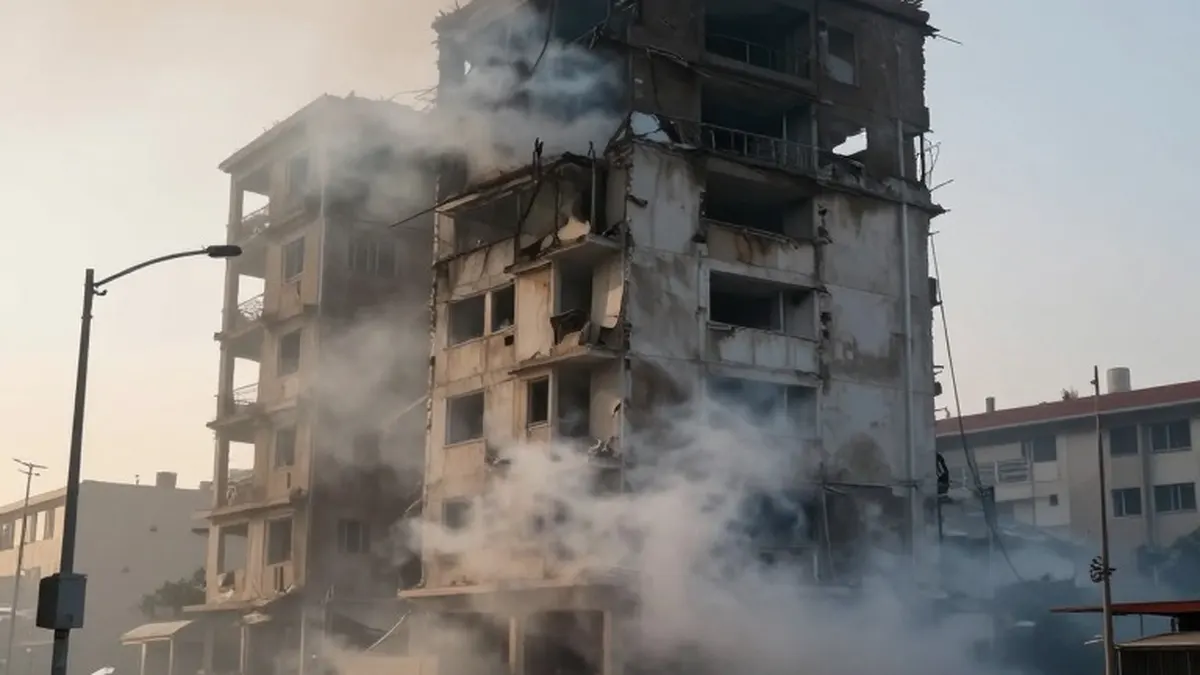
However, the rapid expansion of the industry has not been without challenges. In 2013, the tragic Rana Plaza factory collapse killed 1,134 people and injured thousands more. The disaster drew global attention to the poor safety standards and working conditions prevalent in the sector.
Since that incident, numerous other accidents, including fires, have resulted in fatalities, sometimes claiming the lives of dozens of workers. These events have underscored the need for ongoing improvements in both wages and workplace safety within the industry.
The recent wage agreement marks a significant milestone in the relationship between labor and management in Bangladesh. As the new rates take effect, attention will turn to whether the increased pay will restore stability to the sector and meet the long-term needs of the workers.