Baltimore Council Votes 911 Call Diversion Plan Forward, Lacking Cost Estimate
The proposal would route welfare checks and nuisance reports to social workers instead of police, with a director to be hired before a budget is set.
By Nia Foster ·
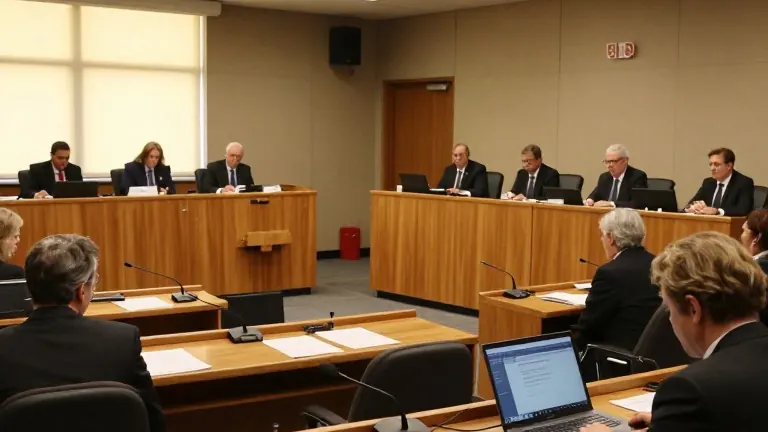
Baltimore lawmakers moved ahead Monday with a plan to create a new department that would handle certain 911 calls, approving two near-unanimous votes to advance the proposal even as no cost estimate exists for the office. The council set the measure up for final passage early next month.
The Department of Neighborhood Safety would absorb the city's existing crime diversion work, currently run by the Mayor's Office of Neighborhood Safety and Engagement, and add staff to answer calls. The plan calls for welfare checks and nuisance reports that do not involve weapons, and that occur in an environment deemed safe, to be handled by a social worker and a peer specialist rather than police. Peer specialists are unlicensed people with relevant life experience. The teams would eventually operate at all hours.
Mayor Brandon Scott and council President Zeke Cohen introduced the proposal together last month. Scott's staff plan to launch the department using $15 million in restitution funds from settlements with opioid manufacturers and distributors. A memo from the city's deputy director of finance noted those funds are expected to run dry by 2032, which would force programs to end or find another funding source. The city's finance department reviewed the bill before committee and wrote that it could carry a large fiscal impact, with the total depending on staffing levels and the number and type of 911 calls assigned to the office.
Councilman Mark Conway cast the single dissenting vote, saying he backed the intent of the bill but worried it had been rushed and lacked a budget from the administration. "I fear we'll trip and fall and saddle the city with expectations we're not fully prepared to meet," Conway said. He added that the council's work includes managing the budget.
Councilwoman Odette Ramos and other members rejected the claim that the bill had been under discussion for only six weeks, pointing to prior hearings on crisis response. Ramos noted the council met several times last year after city residents in mental health crises were killed by police. "I don't feel this has been rushed," Ramos said. "This is the cap on all of the work that has been done." Council Vice President Sharon Green Middleton said she has pushed for wrap-around services throughout her tenure.
Cohen said he wants a director hired for the office before a final price tag is set. "We have done some analyses based on Denver and Durham and some of the other existing systems, but I want to make sure before any number goes out publicly that the person who is going to be tasked with running this entire department is on board first," he said. Cohen and mayor's office staff visited Durham to study its diversion program before introducing the bill. Durham diverts 5% of 911 calls from police; Baltimore diverts about 1.5%.
Cohen said moving the Mayor's Office of Neighborhood Safety and Engagement out of the mayor's budget and into its own department would give the council additional oversight of its finances.
Letitia Dzirasa, Baltimore's deputy mayor for equity, health and human services, said she expects to send a preliminary budget for the new office to the council in the next several weeks. Dzirasa said she anticipates the city's 911 diversion efforts to be phased in, with certain call types diverted first and possible pilots in particular areas.
Source: The Baltimore Banner