Belgium gives authorities power to withdraw hateful personalized license plates
A royal decree allows Belgium’s vehicle registration agency to cancel offensive plates that passed initial checks, following a campaign by MP Michael Freilich.
By Julian Schulz ·
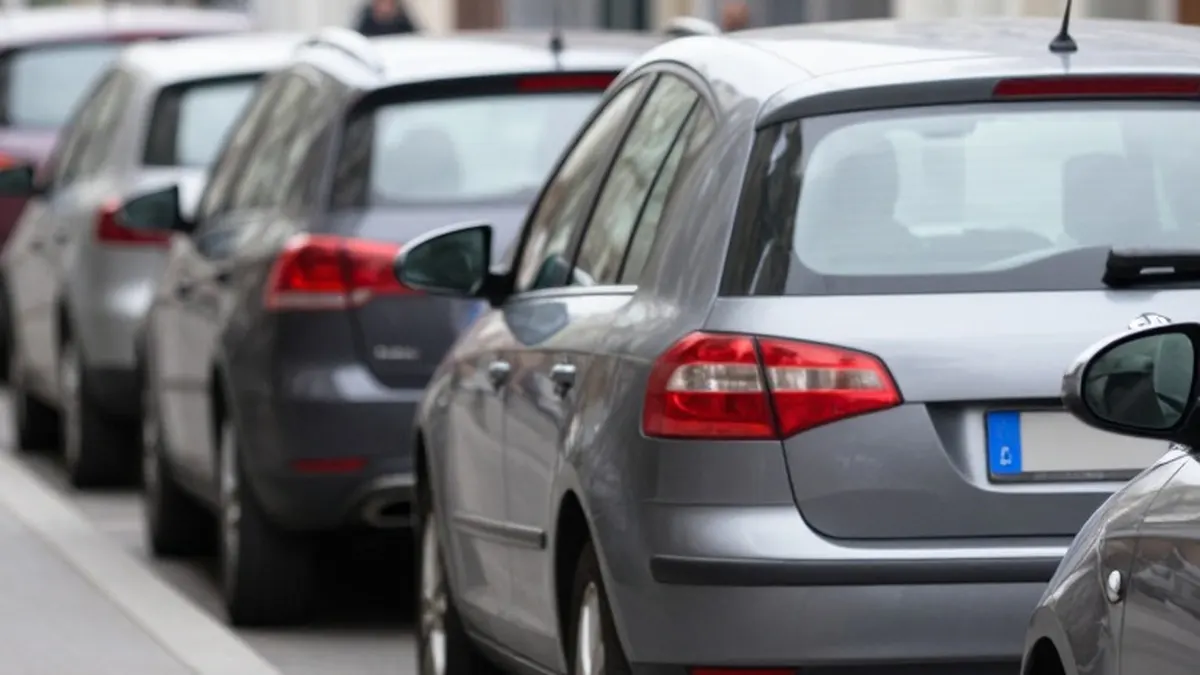
Belgium’s vehicle registration authority can now revoke personalized license plates carrying hateful or offensive messages after they have been issued, closing a gap that previously left the agency unable to act independently. MP Michael Freilich outlined the change on Thursday, November 26, following his campaign to give the authority that power.
According to Freilich, a royal decree effective October 1 permits the registration agency, known by the French acronym DIV, to withdraw such plates even when their content went undetected during approval. Previously, an offensive plate that made it through that process could remain in use because the agency lacked the authority to cancel it independently.
Freilich, Belgium’s only Orthodox Jewish lawmaker, said he began seeking the change in 2023 after a vehicle displaying the personalized registration “HH-88” was seen in Brussels. Neo-Nazis commonly use 88 to represent “Heil Hitler,” drawing on H’s position as the eighth letter of the alphabet.
The plate was reported by Unia, Belgium’s independent public institution dedicated to combating discrimination, Freilich said. Authorities could not compel its withdrawal at the time and instead depended on the owner’s willingness to surrender it. Freilich said he then approached ministers in the previous federal government to argue that DIV needed the power to cancel offensive registrations already in circulation.
Another plate brought the issue back into focus in May 2025. The registration “7-OKTOBR” appeared in Brussels, apparently referring to the Hamas terror attack on southern Israel on October 7, 2023. Some 1,200 people were killed in that attack and 251 were taken hostage. Freilich said he raised the matter with the government again after that plate appeared.
The lawmaker said the new rules resolved the problem and thanked Belgian Mobility Minister Jean-Luc Crucke for completing the regulatory change. In his written account, he argued that hateful messages should have no place on roads or on license plates issued by the government.
Freilich has previously identified fighting antisemitism and representing Belgium’s Jewish community as central responsibilities in his work. In a 2024 interview with The Times of Israel, he described feeling an obligation to advocate for the community.
The regulatory change follows several antisemitic incidents reported in Belgium this year. In April, a Jewish man said three attackers beat him on the Brussels metro, made antisemitic remarks and ripped a Star of David necklace from his neck. In March, two minors were arrested after a car was burned in Antwerp in an incident authorities treated as a suspected antisemitic attack.