Norse Atlantic shares drop 81% on warning of critical financial state
The Norwegian budget airline’s stock fell sharply after it disclosed that soaring fuel costs have pushed the company into a critical financial situation during the winter season.
By Julian Schulz ·
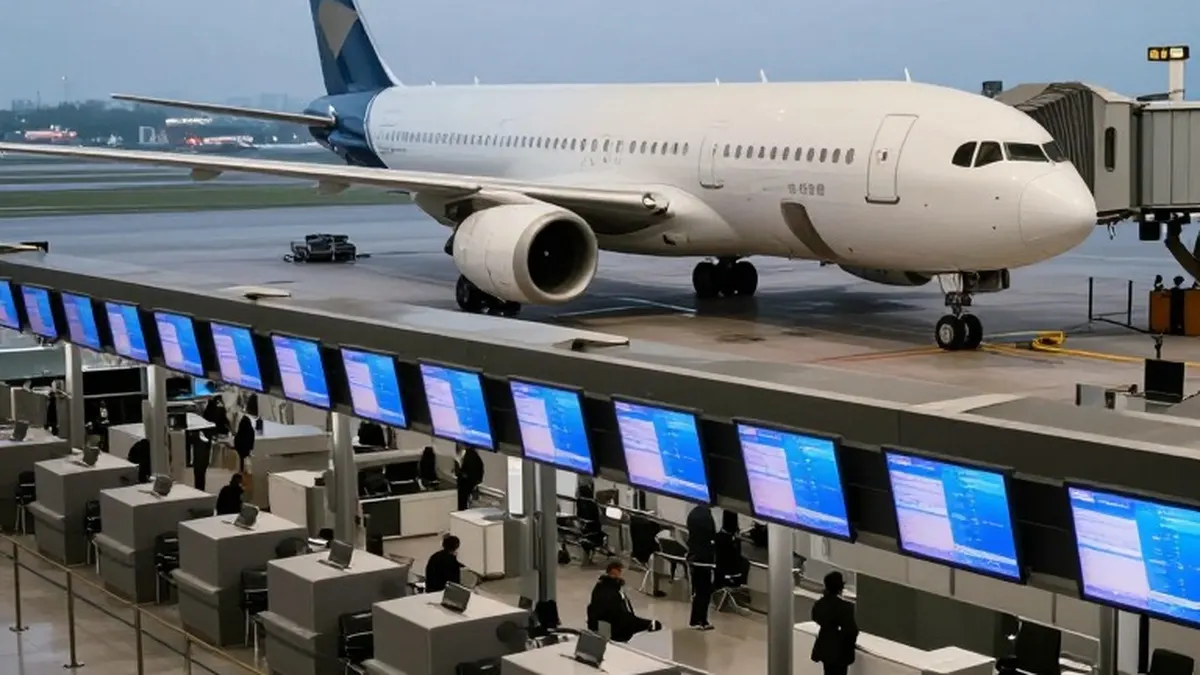
Shares of Norse Atlantic Airways experienced a dramatic decline on Wednesday, losing more than eighty percent of their value. The sharp sell off followed a statement from the Norwegian low-cost carrier declaring that it is currently in a critical financial situation. The airline attributed its strained position to the significant rise in fuel costs, which have placed intense pressure on budget carriers operating during the winter months.
The company indicated that its immediate future depends heavily on its ability to secure financing for short-term liquidity needs. Norse Atlantic noted that it is actively engaged in discussions with selected parties regarding this short-term financing. However, the airline cautioned that there can be no assurance that these negotiations will ultimately result in a viable solution for the company’s cash flow requirements.
Beyond immediate liquidity, the carrier revealed that it has been exploring various strategic options to stabilize its operations. These discussions include the possibility of a strategic takeover by another entity. The airline also mentioned considering ACMI contracts, which involve leasing short-term capacity, as a potential avenue to support its business model and manage costs.
The financial distress at Norse Atlantic is part of a broader industry trend driven by the conflict between the United States and Iran. The war, which began on February 28, caused jet fuel prices to surge dramatically. This increase in input costs has created significant headwinds for airlines around the world, forcing many to reassess their budgets and operational strategies.
According to data from the International Air Transport Association’s Jet Fuel Price Monitor, fuel prices have risen by nearly seventy-two percent year-on-year. As of the week ending November 20, the price reached $155 per barrel. This sustained high level of pricing has become a major challenge for carriers with tighter margins, particularly those focused on budget travel.
Norse Atlantic had previously acknowledged the impact of these costs in October. At that time, the airline stated that it was forced to operate with reduced capacity for that month. The decision to cut flights was directly linked to what the company described as prolonged high fuel prices, which eroded profitability on key routes.
The current situation aligns with predictions made earlier this year by other industry leaders. In April, Michael O’Leary, the Chief Executive Officer of Ryanair, told CNBC that he expected some European carriers to fail if fuel prices remained elevated. He specifically noted that if prices continued at $150 a barrel into the summer and early autumn months, the strain on competitors would become severe.
O’Leary suggested that the potential failure of other European airlines could ultimately benefit Ryanair’s business in the medium term. His comments highlighted the competitive dynamics at play within the sector, where cost management and fuel efficiency are critical for survival during periods of high input costs.
Neil Sorahan, the Chief Financial Officer of Ryanair, also shared similar views with CNBC in May. He predicted that weaker carriers, which were already struggling before the war began, might collapse during the winter season. The recent developments at Norse Atlantic appear to validate these earlier warnings about the vulnerability of certain market participants to sustained fuel price inflation.
As Norse Atlantic continues its search for a financial resolution, investors remain cautious. The company’s ability to secure the necessary funding or find a strategic partner will be key to determining whether it can weather this storm and maintain its operations in the coming months.
More News · National news · Report a business · Got a Story?