Delta weight system outage hits Thanksgiving travel
Manual checks caused delays for 1,000 flights Sunday as the airline restored its automated safety tools.
By Nia Foster ·
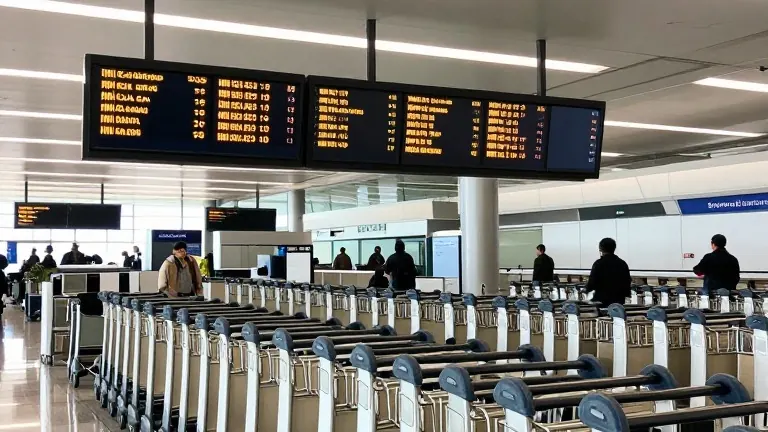
Travelers on Delta Air Lines faced major disruptions on Sunday as a computer failure grounded crews and forced manual checks on aircraft weight. The issue occurred during the peak of Thanksgiving travel, when thousands of passengers rely on air travel to reach family gatherings. Delta reported that approximately 1,000 flights were delayed by mid-afternoon. This figure represented 67% of the airline's total operations that day.
The core problem involved an automation system designed to calculate if an aircraft is too heavy to fly safely. FAA documents state that adhering to these limits is critical for structural integrity. Delta teams bypassed the digital tool by performing manual calculations to ensure planes met safety standards. This process slowed departure times significantly across the network. The airline confirmed the system was restored hours after the initial failure, though normal operations had not yet resumed.
The delays affected Hartsfield-Jackson Atlanta International Airport, which serves as Delta's primary hub. The Federal Aviation Administration imposed a ground stop of about one hour on flights entering this facility earlier in the day. The FAA clarified on social media that these specific delays did not stem from its own air traffic control systems. Weather conditions contributed to the remaining issues, with Delta attributing 30% of the disruptions to inclement conditions.
This technical glitch follows a month of widespread aviation system failures. Earlier in November, a malfunction in the FAA's network triggered the longest nationwide ground stop in 25 years. That outage lasted more than four hours, causing widespread cancellations. United Airlines also experienced a system outage just days later, forcing it to delay departing flights. These consecutive events have drawn attention to the reliability of digital infrastructure in the aviation industry.
Delta addressed the impact on passengers by rebooking travelers and offering meals or hotel rooms where necessary. The airline issued refunds for the small portion of flights that were canceled, which FlightAware data showed to be 2% of the total. By mid-afternoon, 54% of departures from Atlanta were delayed, while 50% of arrivals faced similar holds. The airline apologized for the inconvenience as it worked to clear the backlog of delayed aircraft.