Five EU countries set to announce Rwanda migrant return centre
Germany, Denmark, Austria, Greece and the Netherlands are expected to unveil a Rwanda agreement as European governments seek to increase deportations amid human rights concerns.
By Tomas Gonzalez ·
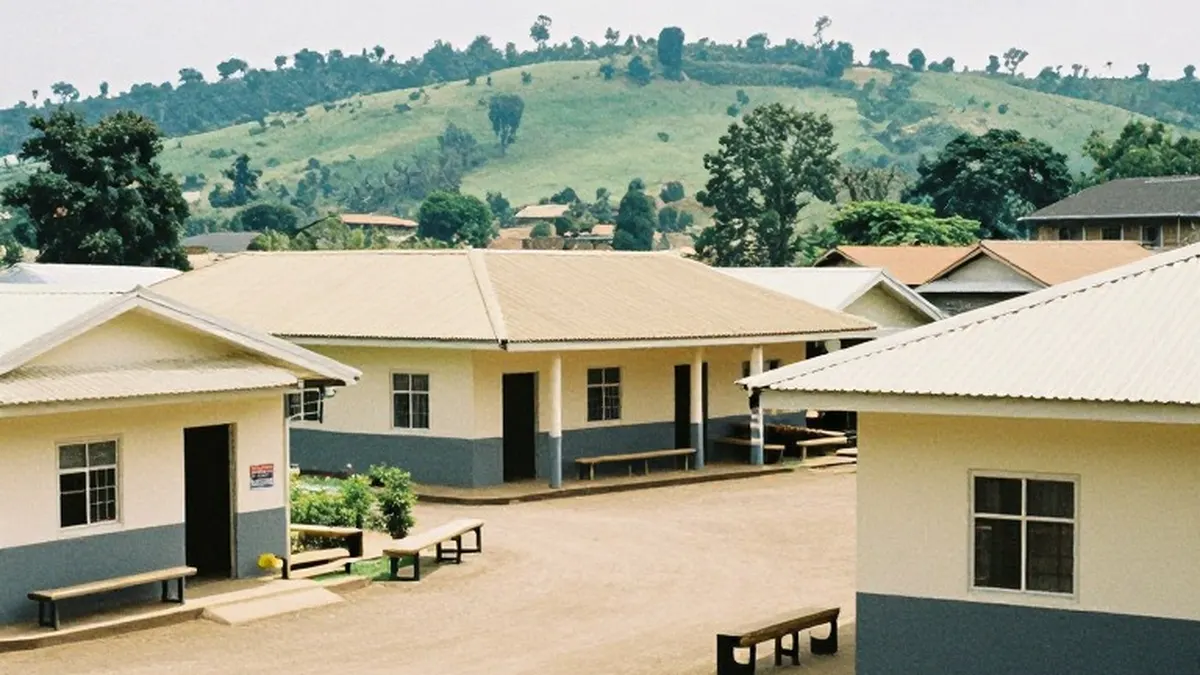
Five European Union countries are expected to announce an agreement on Monday, November 16, to establish a migrant deportation centre in Rwanda, the first facility of its kind outside the bloc. Germany, Denmark, Austria, Greece and the Netherlands are pursuing the project following changes to EU migration rules that permit such arrangements.
The governments kept their preferred location confidential during negotiations with prospective host countries. European diplomats and others briefed on the discussions have identified Rwanda as the selected destination. Rwanda acknowledged in August that preliminary talks with several European states were taking place. It is sending representatives to a migration conference in Vienna, where sources said the agreement would be presented at a Monday press conference.
The initiative follows a European drive to increase deportations that began in 2024 as public attitudes towards migration became less favourable. Arrivals have fallen steadily over the past three years while the EU has negotiated agreements with countries in Africa and the Middle East to reduce departures. Nevertheless, migration remains politically contentious and has contributed to electoral advances by far-right parties across the bloc.
European policymakers have increasingly concentrated on enforcing departure orders. Fewer than 30 percent of people instructed to leave the EU are returned to their countries of origin. A reform approved earlier this year expanded authorities' detention powers and authorised return hubs. Supporters argue that facilities serving as either destinations or transit points for expelled migrants could make repatriation easier and discourage irregular migration.
Opponents question whether the centres will work, citing difficulties encountered by comparable projects. They also warn that migrants could be left in prolonged uncertainty with limited oversight. Human Rights Watch has raised particular concerns about Rwanda, citing repression of dissent, arbitrary detention, mistreatment of detainees and support for armed rebels in neighbouring Democratic Republic of Congo. Its senior Africa researcher, Clementine de Montjoye, warned that paying Rwanda to receive deportees would harm those sent there while strengthening a government responsible for serious abuses.
Rwanda signed an agreement with Britain in 2022 to receive irregular migrants before their asylum applications were considered in Britain, but London subsequently abandoned it. The proposed European arrangement would instead cover people whose asylum claims had been rejected. Rwanda has also received migrants from the United States under a disputed immigration programme promoted by US President Donald Trump.
British Prime Minister Andy Burnham said last week that his government was watching the European return hub initiative with interest while considering further measures to reduce illegal migration. The five participating EU governments hope their centre can begin operating in 2027.
According to diplomatic sources, the Rwanda facility would start as a pilot accommodating approximately 100 people, potentially including around 20 from each participating country. A source said it would not operate as a detention centre. Rwanda favours calling it a welcome centre to reflect the possibility that some migrants could remain and work there.
The United Nations' International Organization for Migration could have a supporting role. An agency spokesperson said it was discussing return hubs and comparable arrangements with some EU governments, pointing to its experience assisting migrants in transit, including in difficult circumstances.