Google's Rejected Patent Details System for Personalized AI Video Feeds
A recently published patent describes a Google service called My Channel that would generate custom video content featuring digital avatars of users based on their personal data and viewing habits.
By Nia Foster ·
Google has drawn attention to a patent application for a system known as My Channel, which proposes the creation of personalized video feeds generated by artificial intelligence. Although the initial application was filed last May and has since been rejected, the company may appeal the decision or resubmit an amended version. The patent was first identified by the firm Patentlyze and was made public last week, revealing the technical framework for this potential future service.
The proposed system would utilize a user's demographic information and viewing history to construct specific prompts. These prompts would then be processed by a large language model to generate video content tailored to the individual's interests. Beyond simple viewing preferences, the system would integrate contextual data from the user's device, including IP addresses, GPS locations, and specific age details. It could also incorporate real-time information such as current news events, sports scores, and social media trends to refine the content.
According to the documentation, all video generation would occur on Google's servers. The service is designed to produce full-length movies across various genres. For instance, if a user frequently watches content related to Christopher Nolan's The Odyssey, the system might generate a similar narrative, potentially resembling the style of other productions like Ash Koosha's Odysseus: The Fall. The patent also outlines how My Channel could connect with external streaming services, thereby accessing more user data and potentially obtaining additional training data for its generative models.
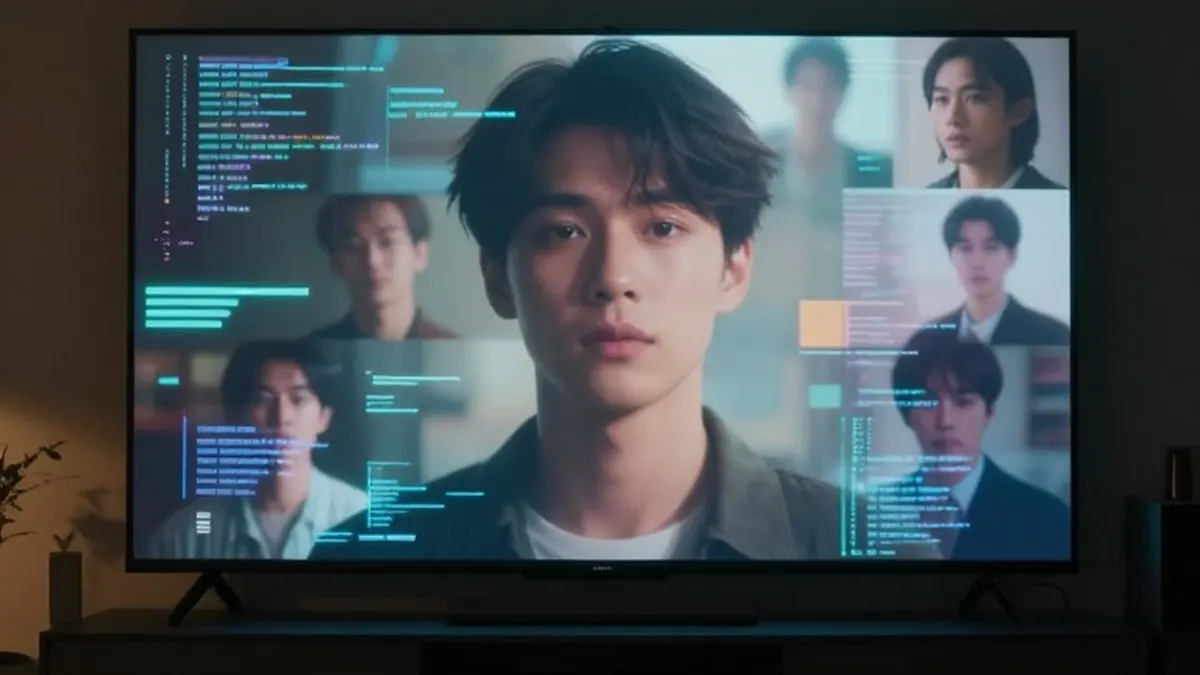
One of the most notable aspects of the patent is the proposal to create digital avatars of the users. The system would use photos, videos, and audio clips to place these avatars as the protagonist or lead character in the generated content. This approach suggests a move toward highly bespoke entertainment where the viewer is literally the main character in every story they consume.
Critics argue that this model conflicts with traditional forms of artistic engagement. While audiences often enjoy projecting themselves onto fictional characters to build empathy, Google's proposal appears to rely on the visual presence of the user to drive interest. This concept has been described as a blend of personalized comedy skits and surveillance-style data collection, raising questions about the balance between personalization and privacy.
The service could also lead to a narrowing of user tastes. By constantly serving content that aligns strictly with a user's established preferences, the system might discourage viewers from exploring new genres or unfamiliar styles. This creates a feedback loop where users are exposed only to material that reinforces their existing comfort zones, potentially reducing the diversity of their media consumption.
The patent highlights the ongoing debate regarding the role of generative AI in the entertainment industry. While some industry leaders suggest that AI will revolutionize content creation, others point to the tendency of generative models to produce what is commonly referred to as slop. This term describes output that mimics the visual elements of training data but lacks the creative intention and emotional depth found in human-made stories.
As Google navigates the patent process, the My Channel concept offers a glimpse into a future where entertainment is heavily algorithmic. The ability to generate endless, customized content with the user at the center could keep audiences engaged, but it also raises significant questions about the nature of art and the value of creative discovery in an AI-driven landscape.
The potential for this technology to impact the broader streaming market remains a topic of discussion. If Google secures the necessary licensing deals with other platforms, the system could aggregate data from multiple sources to enhance its generation capabilities. This would further solidify its position in the competitive landscape of digital media consumption.
More News · National news · Report a business · Got a Story?