GTA VI Release: No Disc, Just Code
A new report argues that digital locks and price hikes are shifting power from players to publishers.
By Julian Schulz ·
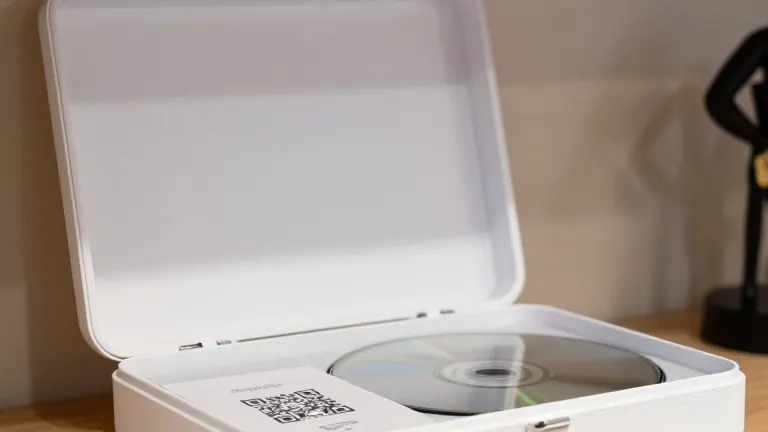
Grand Theft Auto VI launches Thursday, Nov. 19, on PlayStation 5 and Xbox Series X|S, but the physical box will not contain a disc. Rockstar Games states that the package includes only a download code. This format mirrors the digital version, leaving players with an account-bound license rather than a tangible product. The American Economic Liberties Project highlighted this shift in a report released Tuesday, titled "Grand Theft Everything."
The report, authored by Matt Stoller and Ashley Nowicki, details how subscription costs have climbed sharply. Xbox Game Pass Ultimate started at $9.99 monthly in 2017. By October 2025, Microsoft raised the price to $29.99. A subsequent cut in April 2026 lowered the cost to $22.99. PlayStation Plus followed a similar trajectory, rising from $49.99 annually in 2010 to $159.99 in 2023, an increase the authors calculate at 220 percent.
Consolidation in the industry further complicates ownership. Microsoft closed its acquisition of Activision Blizzard in 2023 after a federal judge denied a request from the Federal Trade Commission to block the deal. Layoffs have accelerated in the sector. A study cited in the report indicates that one-third of U.S. video game workers were laid off over the past two years. Sony cut 900 jobs in 2024. On July 6, Microsoft announced the elimination of 4,800 positions, including 1,600 at Xbox.
Legal barriers also restrict what players can do with their purchases. The report cites the Digital Millennium Copyright Act, which makes it risky to remove digital locks for repair or preservation. Sony’s terms of service include binding arbitration and a waiver of class actions. A proposed class action currently challenges Sony’s use of the word "buy" on the PlayStation Store. Sony asked a federal judge on Aug. 21 to send the case to individual arbitration or dismiss it.
Legislators are responding to these consumer concerns. Rep. Ritchie Torres, a New York Democrat, announced the Power To The Players Act on Oct. 15. The bill aims to grant gamers ownership of digital games. In California, Assemblymember Chris Ward introduced AB 1921. That bill would require 60 days' notice before discontinuing a game service. It passed the California Assembly 43-16 on May 27 but stalled in the state Senate on June 29.
A local connection to the industry's financial risks emerged in 2010. Rhode Island guaranteed a $75 million loan to bring 38 Studios to Providence. The company promised 450 jobs but filed for bankruptcy in June 2012 after missing a payment. Settlements later recovered about $61 million for the state. The current debate over digital ownership echoes that history, as licenses can vanish while physical copies no longer exist.
Ashley Nowicki said in the report's press release that gamers should not need a company's permission to play a game they paid for. A town hall on game ownership was scheduled for Wednesday, Nov. 18, from noon to 2 p.m. The event, hosted by Ross Scott, featured Nowicki and Rep. Maxwell Frost, a Florida Democrat. It streamed on Twitch.