Hochul Blocks Food Safety Bill After 87% Support
The governor vetoed a bill that would have required disclosure of chemical safety data and banned three specific additives, citing industry cost concerns despite a study estimating a one-time cost of $28 per household.
By Julian Schulz ·
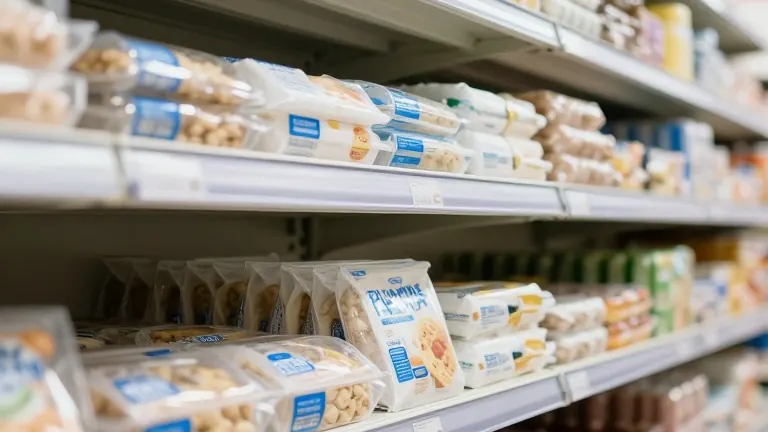
87% of New Yorkers want fewer harmful chemicals in their food, according to new polling released alongside the veto of the Food Safety and Chemical Disclosure Act by Governor Kathy Hochul on Friday. The bipartisan bill, passed by both houses of the state legislature, would have required companies to disclose evidence confirming the safety of food chemicals that bypass federal review. It also would have prohibited the use of three specific additives in foods sold statewide.
The legislation targeted a decades-old federal loophole that allows food suppliers to independently certify ingredients as generally recognized as safe. This process, known as GRAS, operates without adequate oversight from the Food and Drug Administration. The bill sought to close this gap by mandating transparency and banning additives linked to cancer, hormone disruption, and other serious conditions. These banned substances include Red No. 3, potassium bromate, and propylparaben, which are legal in most U.S. states but have been banned in the European Union, Canada, and China due to known health risks.
Jensen Jose, senior regulatory counsel for the Center for Science in the Public Interest, stated that the veto hands a victory to the food industry at the expense of New York families. "Right before Thanksgiving, Governor Hochul vetoed a bill to make New Yorkers’ food safer," Jose said. He noted that federal leaders have failed to deliver meaningful reform, leaving the state to lead. Jose argued that the governor allowed inflated industry cost claims to stand in the way of commonsense protections.
Industry opponents have argued the bill would cost millions of dollars. However, researchers from Tufts University and the Center for Science in the Public Interest published a study debunking this claim. Their analysis estimated the legislation would cost at most a one-time $28 per New York household. This figure assumes companies pass 100 percent of the cost to consumers, which the researchers described as an unlikely event. The study attributed high industry estimates to overestimates of new safety testing, a step companies insist they have already completed under existing federal requirements.
The bill had strong support from the medical and business communities. More than 170 small businesses and community organizations endorsed the measure. Additionally, 107 physicians backed the legislation, arguing that transparency reform could reduce rising healthcare costs. The New York State American Academy of Pediatrics also supported the bill. Prime sponsors Senator Brian Kavanagh and Assembly Member Dr. Anna Kelles urged the governor to sign the bill, which was exempted for workers and small businesses.
Last month, the Center for Science in the Public Interest ran a five-figure ad campaign featuring pizzamakers Frank Pinello and John Gristina. The ads also included mothers Liuba Grechen Shirley, Pastor Sharmaine Byrd, and Afsana Haque, who urged the governor to sign the bill to protect customers and families statewide. Recent data confirms that more than 70% of American adults are alarmed about chemicals in the food supply. Five in six consumers want government and businesses to do more on chemical safety and transparency.
The federal context for the bill includes a proposed GRAS rule drafted by the FDA that was stripped down during White House review. That review reportedly occurred under the leadership of former Trump Chief of Staff Susie Wiles. The changes rendered the proposed reforms unenforceable by ensuring there are no direct consequences for companies that fail to share safety data with the FDA. The proposal also did not require FDA review prior to marketing. A 2024 American Journal of Public Health analysis found that the FDA rarely re-evaluates or revokes GRAS status, even as new research raises concerns about the safety of long-approved chemicals.
The FDA’s food safety program has been weakened by ongoing layoffs and structural reforms. These changes limit its ability to inspect, regulate, or enforce food safety standards. Public health experts have warned that continued exposure to toxic food additives could exacerbate health inequities and drive long-term costs to the healthcare system. The center stated it will continue to fight for New Yorkers’ right to safe, nutritious food alongside its coalition of community and health leaders.