Huawei guilty of trade secret theft in landmark US trial
A Brooklyn jury has convicted the Chinese tech giant of stealing trade secrets and bank fraud, but it was acquitted of the more serious racketeering charge.
By Julian Schulz ·
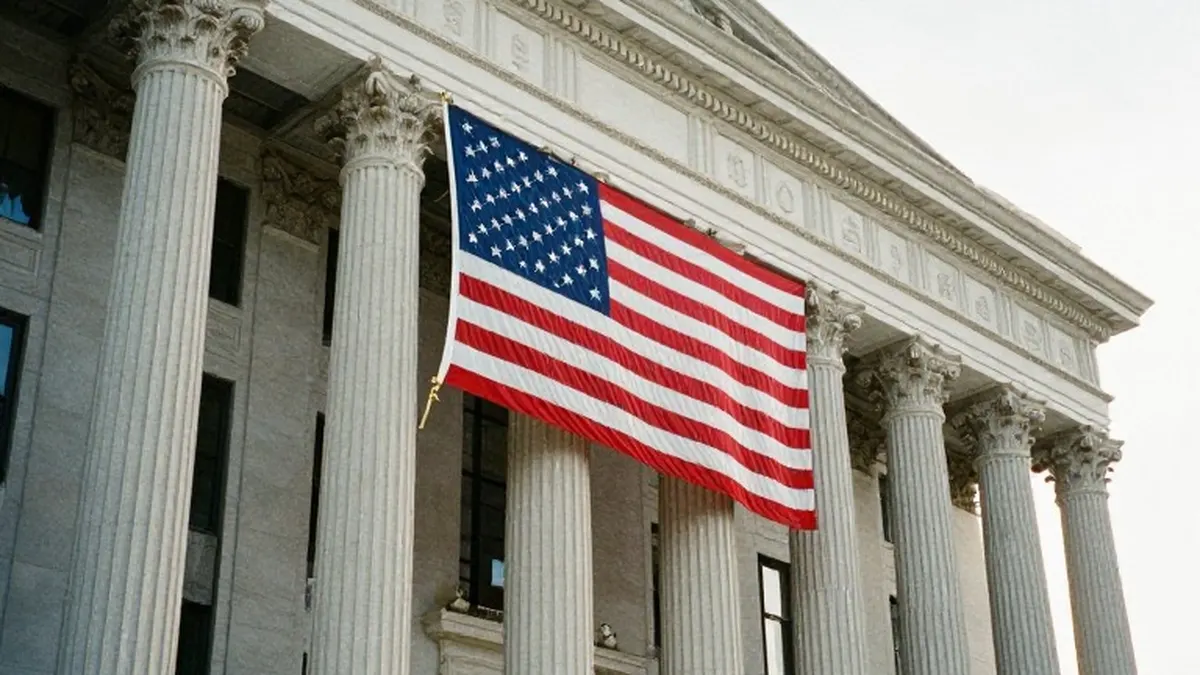
Huawei has been found guilty of conspiracy to steal trade secrets and bank fraud in a significant US legal proceeding, although the company was acquitted of the more severe overarching racketeering charge. The verdict marks the conclusion of a landmark trial that examined the practices of the Chinese technology and telecommunications giant.
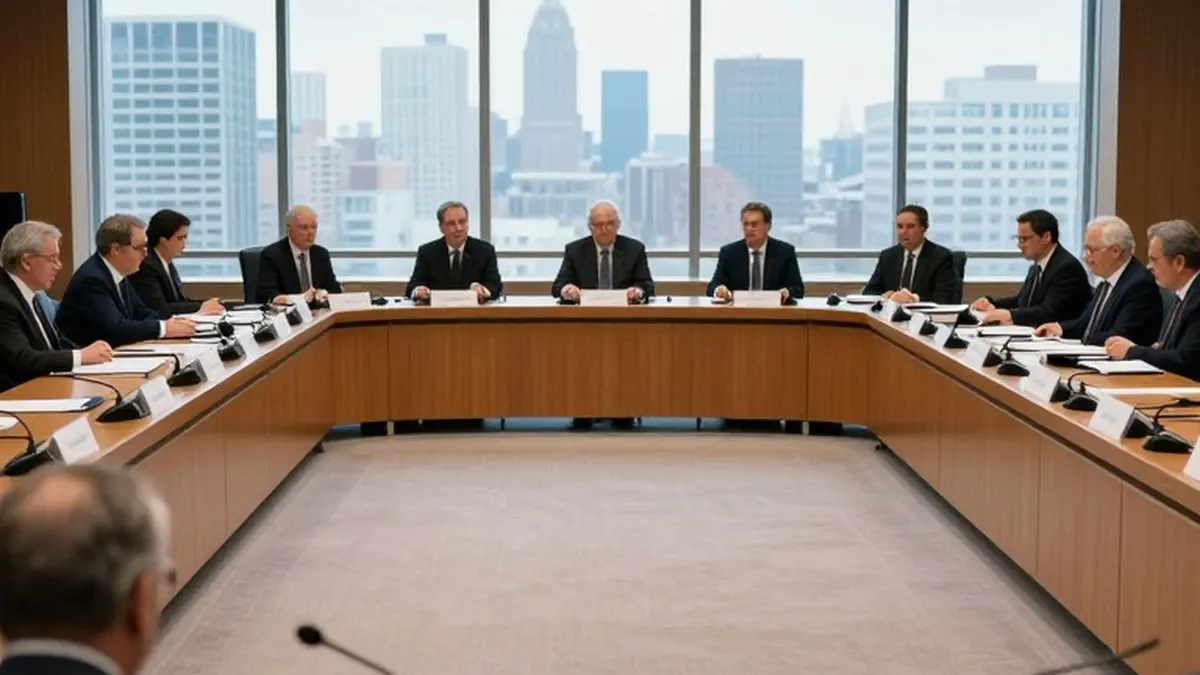
During the two month trial, federal prosecutors alleged that Huawei engaged in lying, cheating, and stealing to secure a competitive advantage in the global market. The prosecution presented a case that characterized the firm's aggressive expansion as a systematic effort to gain an edge over rivals.
In contrast, Huawei's defense team argued that prosecutors had predetermined the company was a criminal organization and constructed their case based on that assumption. The defense maintained that the firm's substantial success was the result of its own innovation and hard work rather than illicit activities.
Jurors in a Brooklyn court determined that Huawei was guilty on 10 of the 12 counts brought against it. These convictions included conspiracy to violate US sanctions. However, the jury declined to convict the company of the racketeering conspiracy charge, which required them to find that the firm operated like a criminal enterprise.
The legal battle against Huawei dates back to 2019, when federal prosecutors first announced the charges. This followed the dramatic arrest of senior executive Meng Wanzhou, also known as Cathy Meng, in Canada in late 2018. Meng was held for three years before being released to return to China through a deal reached with US prosecutors.
In a statement issued after the verdict, Huawei said the acquittal on the racketeering charge confirms that the allegations lack a factual basis. The company stated that the outcome vindicates its consistent position over the past eight years.
During closing arguments last week, assistant US attorney Meredith Arfa told the jurors that Huawei spent 20 years doing whatever it took to expand its business. She claimed the company lied to banks about its business dealings in Iran and stole technology secrets from rival firms to ensure it maintained a competitive edge.
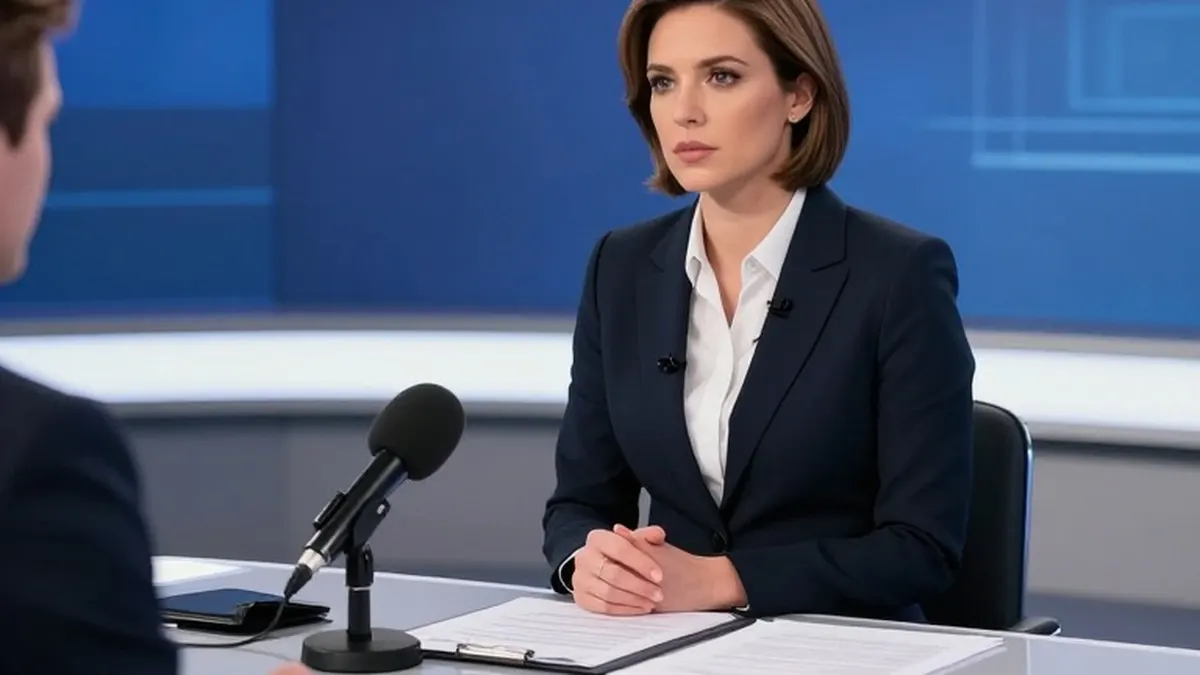
Defense attorney Brian Heberlig countered that Huawei had grown into a business with operations in 170 countries and more than 200,000 staff through hard work. Following the verdict, Heberlig told the BBC that Huawei was gratified that the jury had rejected the racketeering charge.
Heberlig described the racketeering count as alleging that Huawei was a corrupt organization with a corporate culture and policy of committing crime. He stated that this was a significant overreach in the view of the defense, and the jury soundly rejected it. He noted that while the team had mixed emotions about the rest of the verdict, they believed Huawei was deserving of acquittals across the board.
Sentencing is currently planned for September 2027. Heberlig said the defense will engage in significant advocacy to achieve the lowest sentence possible. He further stated that he fully expects Huawei to appeal the decision. If he knows the company, he said, that fight will continue, and Huawei will not rest until it has pursued every last argument it can through appeal, hopefully ultimately toward vindication.