Finnish and Norwegian leaders called Putin to ease Baltic blockade fears, WSJ reports
October calls by Alexander Stubb and Jonas Gahr Støre sought to reassure Moscow that a vital Baltic shipping route would remain open, according to the Wall Street Journal.
By Nia Foster ·
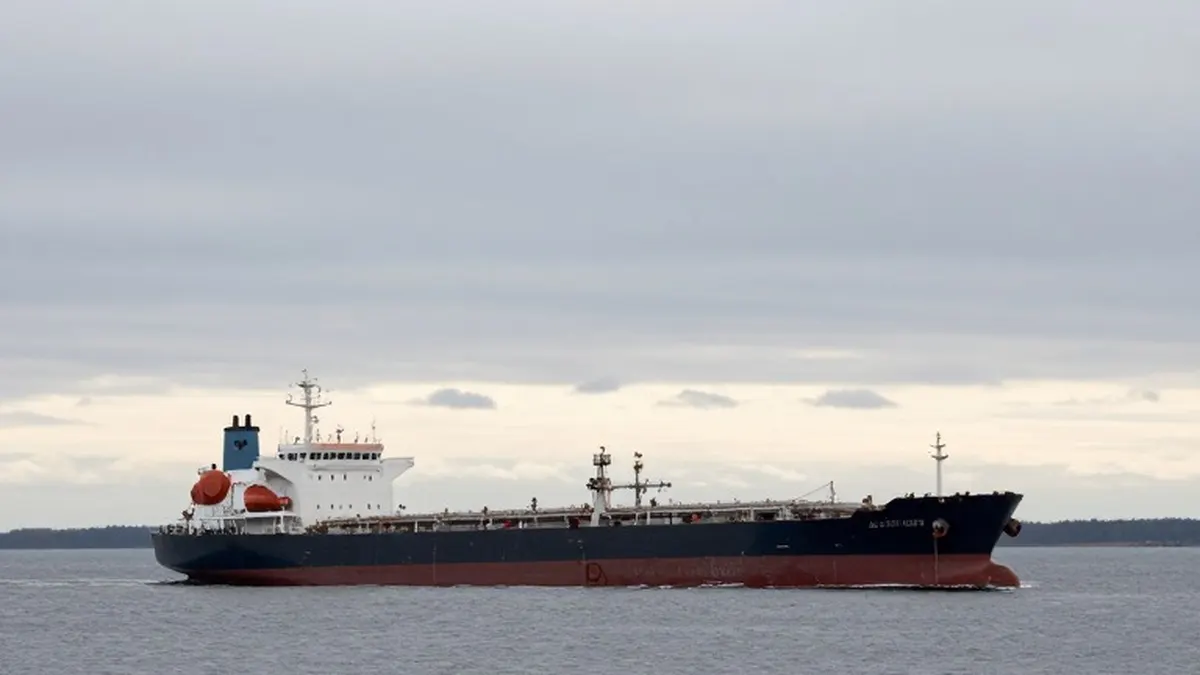
Finnish President Alexander Stubb and Norwegian Prime Minister Jonas Gahr Støre spoke with Russian ruler Vladimir Putin in October to help avert a confrontation in the Baltic Sea, the Wall Street Journal reported, citing people familiar with the matter. European Pravda relayed the report, which said the calls had an objective beyond their official focus on ending the war in Ukraine.
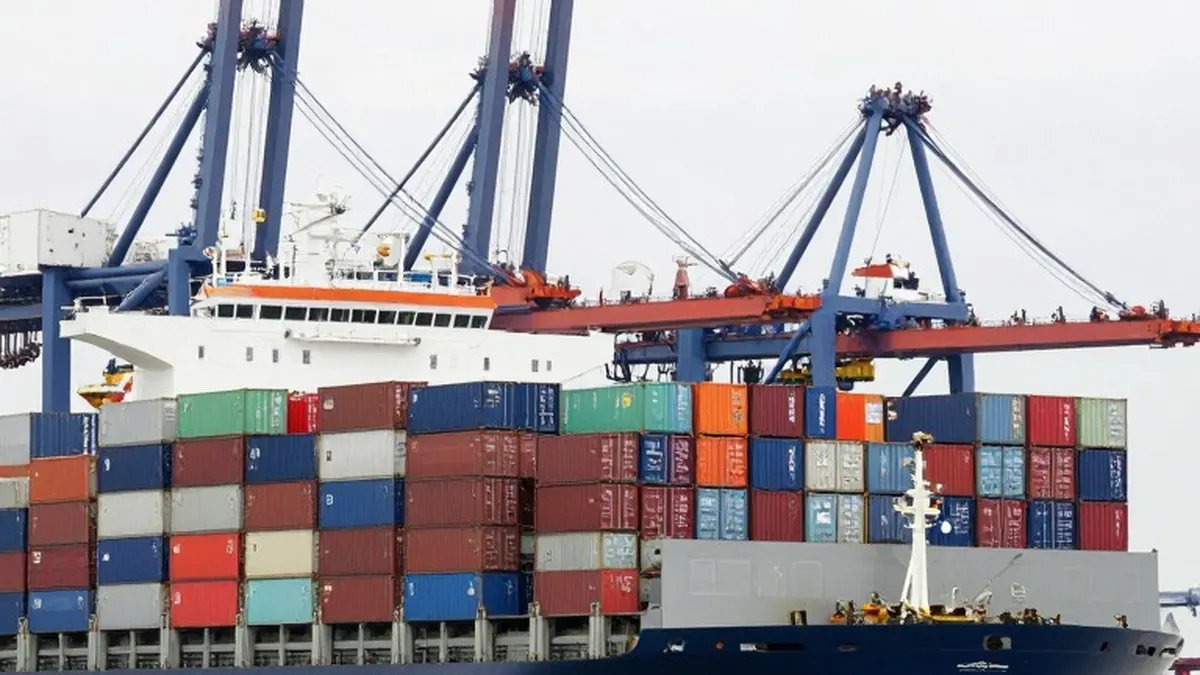
The leaders wanted to reassure Putin that they did not intend to block a maritime route crucial to Russia. More than 60% of Russian oil transported by sea passes through the Baltic, making the route important to Moscow's wartime economy. With NATO member states surrounding the sea, it has become a potential flashpoint between Russia and the West.
Western officials said Russian actions in recent months suggested growing Kremlin concern about a possible blockade. During his call with Putin on 27 October, Stubb said Finland had no intention of blockading the Baltic during peacetime and would comply with the law, according to two people involved in the conversation.
The interception of tankers from Russia's shadow fleet, used by Moscow to evade Western sanctions on oil exports, has contributed to the tensions. Western officials also pointed to public statements that they said had heightened Russian fears. On 11 September, Polish Foreign Minister Radosław Sikorski proposed NATO exercises near Kaliningrad sufficiently aggressive to make Putin fear an attack. Days later, Estonian Foreign Minister Margus Tsahkna told the UN that Estonia, Finland and NATO could shut the Gulf of Finland within hours.
In late October, Pentagon representatives urged their Baltic counterparts to moderate statements about targeting Russia in the region, according to European and American officials. Western officials also sought to assure Moscow that NATO was not planning a blockade. Finland summoned the Russian ambassador as part of efforts to reduce tensions.
Stubb nevertheless worried that those assurances were failing to reach their intended audience, according to officials familiar with his thinking. A Russian oligarch with direct access to the Kremlin was approached. The sources said he travelled to Norway for consultations with senior officials, then returned to Moscow to convey the message to Putin. The two Nordic leaders spoke with Putin a few days later.
Finland's commitment to observing maritime law has since faced a test. On 21 November, Finnish defence forces detected a drone attack on a Russian merchant ship in international waters west of Suursaari, in the eastern Gulf of Finland. Finnish Border Guard Commander Ilja Iljin said Ukrainian drones had struck the vessel. Finnish rescuers put out the resulting fire and later towed the damaged ship out of Finnish waters.