Israeli strikes reported in southern Lebanon buffer zone
Explosions were heard in five towns within the Israeli military's buffer zone on Tuesday morning, ending a period of relative quiet in the region.
By Tomas Gonzalez ·
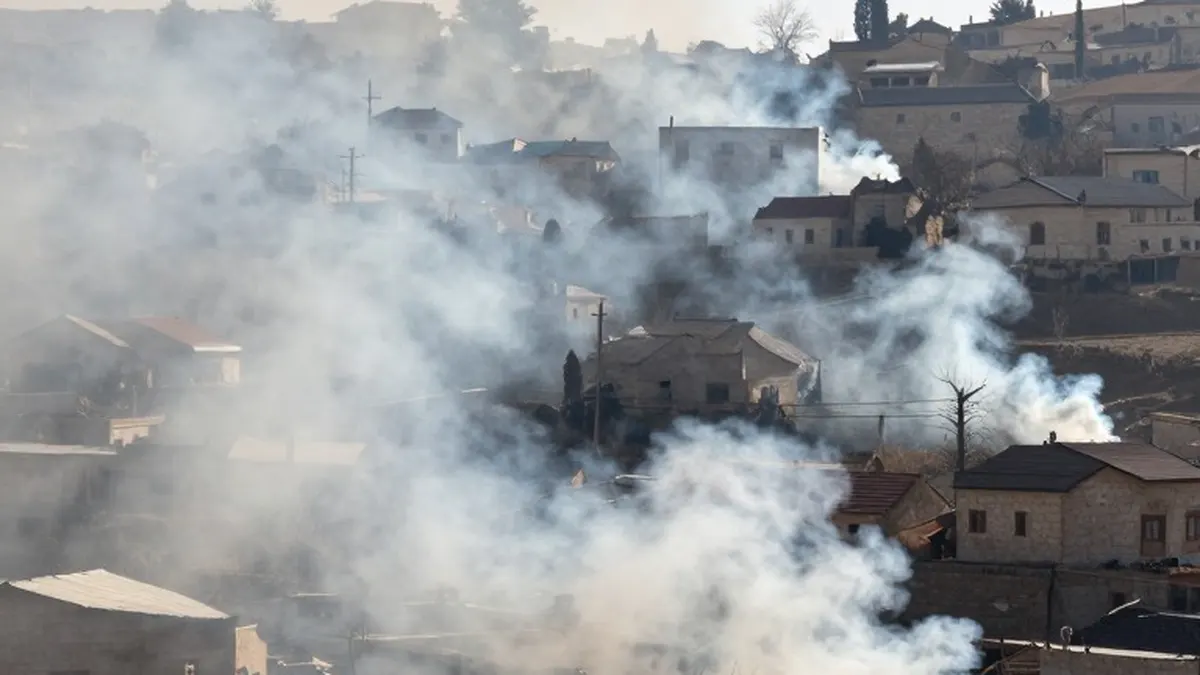
Lebanese media outlets reported a series of explosions and Israeli strikes within the buffer zone in southern Lebanon on the morning of Tuesday, November 24. The activity was concentrated in several towns, including Qabrikha, Touline, Zawtar al-Sharqiyah, Mayfadoun, and Kfar Tebnit.
The Israel Defense Forces did not provide an immediate official comment regarding the specific strikes that occurred on Tuesday. However, the IDF has a history of conducting operations within this designated area, which extends approximately 10 kilometers, or about six miles, into Lebanese territory.
Military officials have previously described such strikes as part of routine efforts to demolish infrastructure associated with Hezbollah or to remove perceived threats to troops stationed in the zone. This recent activity marks a resumption of strikes after a lull of several weeks.
The quiet period was initially broken earlier this month by an attack in Qabrikha. At that time, the IDF stated that it targeted two individuals who were observed monitoring Israeli forces. The military claimed the strike was necessary to remove a threat to its troops.
The broader context of the conflict involves Hezbollah, an Iran-backed group whose military capabilities have historically exceeded those of the Lebanese national army. The group pulled Lebanon into the war between Israel, the United States, and Iran on March 2 to support its patrons. This action triggered massive Israeli airstrikes and a subsequent ground invasion of southern Lebanon.
A ceasefire agreement between Jerusalem and Beirut was reached in June of this year. While the main hostilities have paused, sporadic fighting has continued in the interim. The agreement outlines a plan for the IDF to withdraw from parts of southern Lebanon in parallel with the deployment of the Lebanese army.
The withdrawal process is set to begin in so-called pilot zones, contingent upon Hezbollah disarming. However, the Shiite group has refused to fully comply with the terms of the deal. Despite significant pressure from non-Shiite leaders in Lebanon and various international actors, Hezbollah has resisted the disarmament requirement.
Israel has characterized Beirut's efforts to disarm Hezbollah as encouraging but ultimately insufficient. The Israeli government maintains that the group is rearming at a faster pace than it is being disarmed, contributing to the ongoing tension in the region.
The latest reports of strikes come from local media, including Al Mayadeen Lebanon, which broadcast details of the attacks on the outskirts of Qabrikha and Touline. These developments underscore the continued volatility in the southern border area despite the formal agreement to halt the conflict.