Pezeshkian describes Iran's struggle as a silent economic war amid 130-day blockade
The Iranian president characterized the ongoing US naval blockade as a difficult economic battle, a stance echoed by Tehran's diplomatic officials who are preparing to counter the restrictions.
By Nia Foster ·
Iranian President Masoud Pezeshkian has characterized the nation's current situation as a silent war, describing it as significantly more challenging than traditional conflicts involving missile strikes and physical destruction. In a video message distributed by Al Jazeera on Sunday, the president addressed the economic sector, stating that the country is currently engaged in an economic war that is by no means easy for those working on the front lines to manage.
The remarks come as the Iranian economy faces intensified pressure. While the nation has endured the strain of international sanctions for several years, the landscape has changed dramatically this year. The implementation of a US naval blockade targeting Iranian oil exports, coupled with new sanctions introduced since the start of the war, has multiplied the economic burden on Tehran.
Iranian diplomatic officials have reacted strongly to the maritime restrictions. Kazem Gharibabadi, the Deputy Foreign Minister for Legal and International Affairs, spoke on Saturday to describe the naval blockade as an act of war. According to the Mehr news agency, Gharibabadi vowed that the country would take specific actions to break the blockade and restore its ability to trade freely.
The duration of the maritime restriction has now reached a significant milestone. On Saturday, the US Central Command, known as Centcom, announced that the blockade had reached 130 consecutive days. The military command highlighted the dedication of its personnel in maintaining the cordon around Iranian shipping lanes.
In a post on X, Centcom stated that US service members were enforcing the blockade with exceptional focus, determination, and professionalism. The statement emphasized that the primary objective of the operation is to prevent the Islamic Revolutionary Guard Corps from exporting billions of dollars worth of crude oil to global markets.
The blockade represents a major escalation in the economic confrontation between Washington and Tehran. By restricting the flow of oil, the US aims to limit the revenue that funds Iran's military and government operations. This strategy aligns with the broader sanctions regime that has been a tool of foreign policy for decades.
President Pezeshkian's comments suggest that the Iranian leadership is preparing its population for a prolonged period of economic hardship. By framing the situation as a silent war, the administration aims to unify the public around the economic front, much like a military campaign. This rhetorical shift underscores the severity of the financial challenges facing the country.
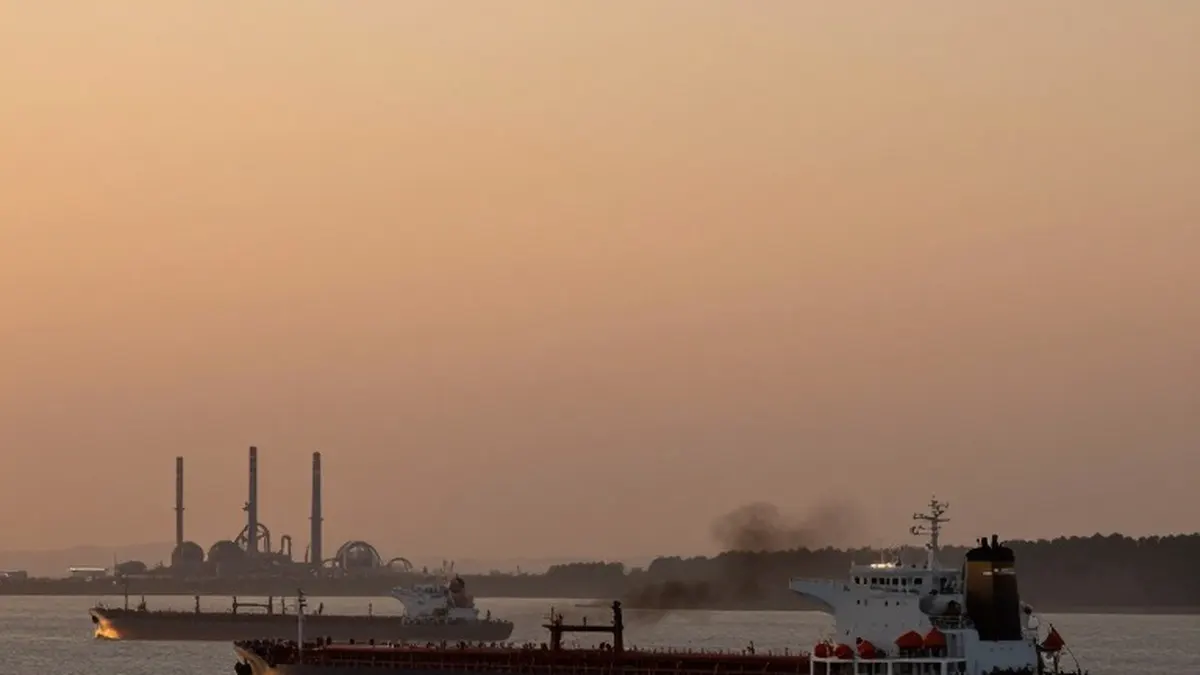
The naval blockade has disrupted normal shipping patterns in the region. Commercial vessels and tankers must now navigate with increased caution to avoid potential conflicts with US naval assets. This has led to higher insurance costs and longer transit times for goods moving through key waterways.
As the blockade continues, both sides are likely to monitor the situation closely for signs of compliance or escalation. The Iranian government's vow to break the blockade indicates that a resolution may not be immediate. Diplomatic channels remain active, but the military presence in the region signals that force remains a viable option for the US to enforce its economic policy.
The coming weeks will be critical in determining the long-term impact of the blockade on the Iranian economy. Analysts will watch for changes in oil prices and the domestic cost of living in Iran. The silent war, as Pezeshkian termed it, is now a central feature of the geopolitical landscape in the Middle East.