Paris police impose restrictions on demonstrations near major educational institutions
Authorities in the French capital have banned unauthorized gatherings near ten schools and five universities to manage ongoing unrest and violence.
By Nia Foster ·
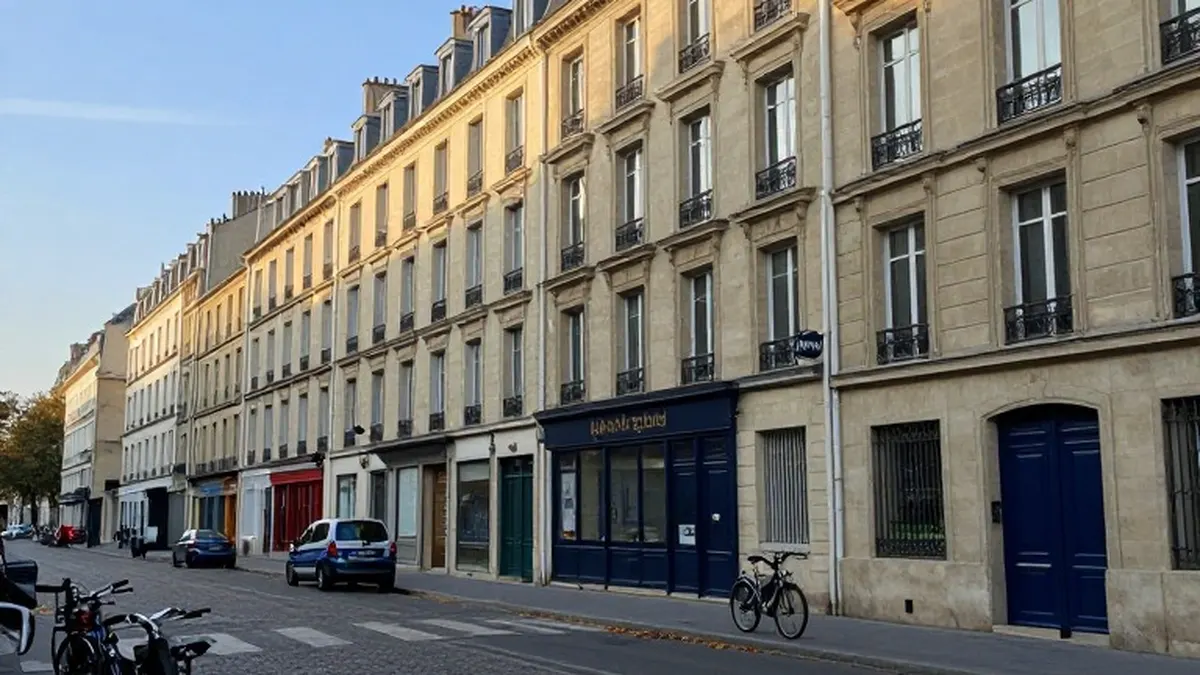
Police forces in Paris have implemented a temporary ban on protests near ten secondary schools and five universities. This measure is part of a broader effort by local authorities to manage weeks of blockades and violent incidents that have affected educational venues across France. The specific order is set to take effect from 16 to 20 November.
Under the new regulations, unapproved gatherings or marches are prohibited within a 100-meter radius of the designated sites. Paris police chief Patrice Faure explained that the ban was a necessary response to the situation. He cited "numerous disruptions and blockades around certain secondary schools and establishments of higher learning" as well as "persistent violence" as the primary reasons for the decision.
The current wave of demonstrations in France began in September, initially driven by complaints about poor conditions in secondary schools. The movement has since expanded to include university students, general workers, and a "yellow-vest" movement focused on the rising cost of living. This broad coalition has kept the streets active for several weeks.
During the announcement of the order, the police chief detailed the consequences of the ongoing blockades. He noted that these actions have resulted in damaged public property, violence directed at members of the educational community, and frequent clashes with law enforcement officers. These incidents have strained relations between protesters and authorities.
Local media reports indicate that mayors from eight Parisian districts reached out to the regional education authority. These officials requested specific measures to "secure the entrances and exits" of secondary schools that remained under blockade. This collaboration between local leadership and police highlights the growing pressure on the capital to restore normalcy to its school districts.
Since the protests began, a significant number of individuals have been taken into custody. According to Faure, approximately 1,548 people have been arrested in Paris. This figure reflects the scale of the policing effort required to manage the demonstrations over the past few months.
The most recent major demonstration took place on Saturday, marking the fifth consecutive weekend of street protests. Interior ministry data showed that 106,000 people from various groups participated across France. In Paris alone, 24,000 demonstrators took to the streets. The crowd included students, union members, and yellow-vest activists.
Despite the continued presence of large crowds, the interior ministry observed a decline in the overall number of protesters compared to previous weeks. The number of arrests also dropped significantly during this latest demonstration. Across the country, 219 people were detained, with 45 of those arrests occurring in Paris. This trend suggests a potential shift in the momentum or organization of the protest movement.
The five-day ban represents a calculated attempt by Parisian authorities to provide a period of stability. By restricting activity near key educational hubs, police hope to reduce the frequency of clashes and allow schools to operate with fewer interruptions. The effectiveness of this strategy will likely be assessed as the ban concludes on 20 November.
Stakeholders in the French education sector are closely monitoring the situation. The interplay between student demands, union support, and police enforcement continues to shape the narrative of the current social movement. As the ban takes hold, attention will turn to how both organizers and authorities adapt their strategies in the coming days.