Skydance to Rely on Global Films for Theatrical Goals, Analyst Says
Investor Joe Ravitch argues that the new Paramount Warner merger will depend on international productions to meet its annual release targets while streamers pivot to the Global South.
By Julian Schulz ·
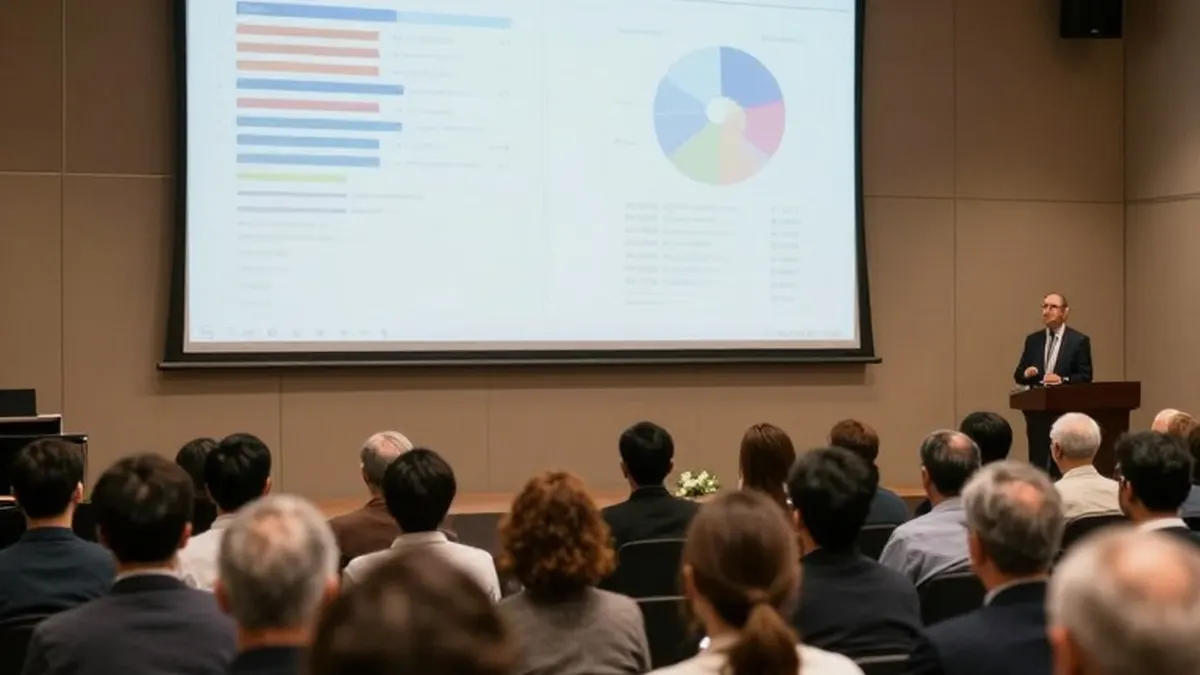
David Ellison has pledged that the newly formed Skydance studio will release at least 30 films in theaters each year following the merger of Paramount and Warner Bros. Joe Ravitch, co-founder and partner at the Raine Group, predicts that the studio will need to look beyond Hollywood to fulfill this commitment. Ravitch made these remarks during a keynote address at the Industry Days of the Doha Film Festival. He noted that the studio will likely seek partners worldwide to help feed a pipeline of diverse genres, describing these international collaborations as significant investments for the company.
Ravitch identified this demand as a major opportunity for Arab cinema to achieve its international potential. He argued that a golden window is open for the region, driven by the growing interest of streaming platforms in the Global South. This shift is occurring as major services like Netflix exhaust their subscriber bases in Western markets. Last month, Netflix shares fell to a two-year low following a round of layoffs that included key executives such as Bela Bajaria and Dan Lin. Ravitch explained that the focus has moved to Asia, Africa, and the Middle East, where subscriber growth is still possible.
The veteran investor also observed that the era of Hollywood monoculture is ending. While major titles like Avengers: Doomsday and The Odyssey will continue to lead global box office charts, the next ten films in any specific market will increasingly be local productions. Ravitch warned that streamers must deliver this local content to succeed, as relying solely on Hollywood exports will no longer be sufficient. He further noted that the traditional tentpole model is eroding, with smaller budget films based on digital IP, such as Backrooms and Obsession, achieving unexpected success.
This changing landscape impacts the Middle East strategy for internationalizing its film industry. Ravitch criticized the common approach of attracting high profile Hollywood stars to shoot in the region. He described this method as inefficient and a race to the bottom, noting that such films often result in generic representations of the area. Audiences may perceive these productions as generic enough to have been filmed in other hubs like Hungary, Italy, or China. Ravitch suggested that a bottom up approach focusing on local creativity and culture is more effective than chasing famous names.
A key advantage for the Arab market is the substantial native audience combined with international demand. Ravitch highlighted that there are approximately 500 million Arabic speakers worldwide, including a large diaspora in the United States and Europe. This demographic has disposable income and a desire to see their culture represented on screen. He compared this favorable position to his experiences in markets like China, Korea, and India, where local demand is a strong driver of industry growth.
However, Ravitch pointed out a persistent issue regarding how streamers operate in international markets. He noted that these platforms often do not share creative rights or long term revenue with local producers. Stuart Ford, chairman and CEO of AGC Studio, raised this concern during a question and answer session. Ford described the situation as a wrinkle in the system where local stakeholders invest in content but give up most of the potential upside to reach a global audience.
Ravitch illustrated this problem using the example of the Korean series Squid Game. He explained that while the show elevated Firstman Studio to global prominence, Netflix retains ownership of the franchise rights. He stated that the production company gave away the goose that laid the golden egg. Ravitch also cited an anecdote about a friend at Property Media who has a top show on Apple and Paramount but makes no profit because the deal was structured as a cost plus model. He emphasized that this systemic issue requires careful consideration as the Arab storytelling market matures.
As the industry builds a more mature ecosystem for Arab culture, Ravitch urged stakeholders to be thoughtful about how they structure deals. The goal is to create an environment where streamers are eager to participate while local creators retain a fair share of the value. Balancing the need for global distribution with the preservation of local creative rights remains a central challenge for the region.
More News · National news · Report a business · Got a Story?