Southold seeks to cap short-term rentals at 1% of homes
A proposed lottery would limit vacation leases to 120 units, cutting the current market by 80% and reshaping the local housing supply.
By Tomas Gonzalez ·
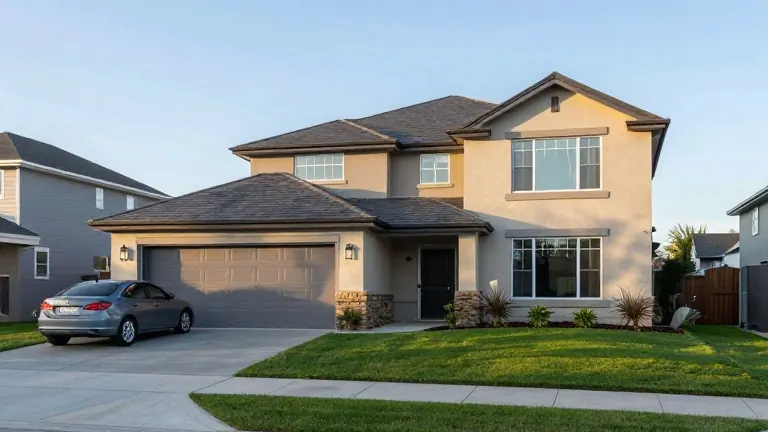
Residents of Southold on Long Island’s North Fork face a potential change in how many neighbors can rent their homes to tourists. The town is considering a plan to restrict short-term vacation rentals to fewer than 120 properties. This would cap the number of active Airbnb listings at roughly 1% of all housing units in the area. The move aims to address complaints from locals about noise, parking, and the rapid turnover of guests.
The proposal would drastically reduce the current market of approximately 640 short-term rentals. If enacted, the town would use a lottery system to assign the remaining permits. This mechanism means that many owners who currently rent their homes may lose their authorization, regardless of how long they have operated. The plan applies to all nine hamlets within Southold’s borders.
Ben Johnson, the municipal attorney for Southold, noted that the town has struggled to regulate the market effectively. He explained that many complaints stem from residents feeling their homes are next to revolving doors. Johnson said, “We understand that this is a seasonal economy, but most of the complaints we receive come from people who feel like they have a revolving door next to their house.” The town seeks to formalize oversight through a permit system rather than relying on existing rules that are difficult to enforce.
The financial stakes for hosts are high. A municipal report from last year estimated that short-term rentals in Southold generate about $27.5 million in annual revenue for hosts. The average nightly rate is $902. While this income supports the local economy, the town argues that the growth of vacation homes is squeezing out long-term housing. The average price of a home on the North Fork recently hit a record of $1.25 million. That figure is more than ten times the median household income in Southold, which stands at approximately $116,600 according to Census data.
The new rules would replace a 2015 ordinance that technically banned rentals shorter than 14 days but was rarely enforced. Under the proposed plan, each person or limited liability company could hold only one permit. Hosts would need a general rental authorization valid for two years. They would also have to pass safety and fire inspections and carry liability insurance of at least $1 million. Properties with cesspools would be excluded from the program.
Hosts would be required to submit plans for managing parking and waste removal. The total number of permits would be fixed by the town, and allocation would be determined by drawing lots. This creates uncertainty for investors who have spent money adapting their properties for short-term use. For neighbors, the cap promises a more stable living environment and easier municipal supervision. The town has not yet voted on the proposal, but the discussion mirrors trends in nearby communities.
Southampton, located on the South Fork, adopted restrictions in August 2025 that effectively blocked many weekend rentals. Residents there cited similar issues with nighttime noise and daily disruptions. The situation in Southold suggests that the East End is moving toward stricter controls on the vacation rental sector. Town officials state that the industry can no longer expand without clearer regulations to balance tourism revenue with the needs of year-round residents.