Spain's Rail Chief Resigns After Deadly Crash
Minister Óscar Puente steps down six days after a collision south of Madrid claimed 69 lives.
By Julian Schulz ·
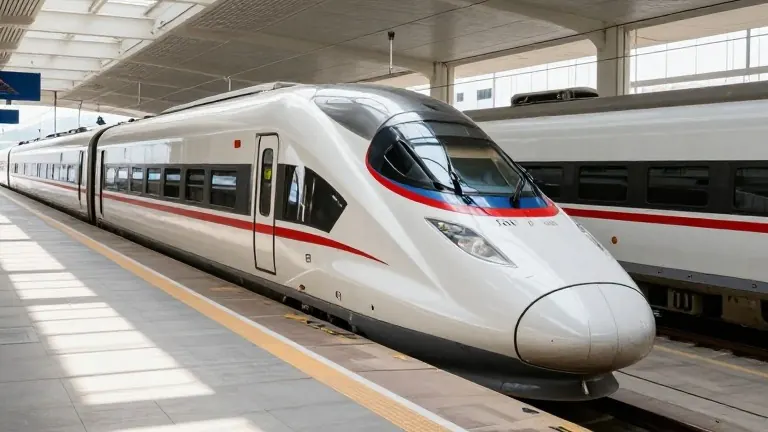
Spain’s high-speed rail system has suffered two fatal collisions this year. On Tuesday, Transport Minister Óscar Puente announced his resignation, a decision coming just six days after a crash killed 69 people.
Puente made the announcement at the conclusion of a lengthy session before parliament. He cited the frequency of recent disasters as the primary reason for his departure. “A transport minister in a country like Spain cannot remain in office after two accidents of this seriousness in less than a year,” he stated.
The October 28 incident occurred when a moving train struck a stationary one on the tracks. The sequence began when the communication system for the security network on the Madrid-Seville line failed. Central controllers in Madrid assumed command and authorized a state-operated Renfe train to continue. They did not account for a stopped train operated by Iryo directly ahead.
This event marked the second major fatality on that specific route within twelve months. In January, a train derailed more than two hours south of the recent crash site. It collided with an oncoming train, killing 46 people. An investigation into that January incident is still ongoing.
Puente indicated he had decided to resign immediately after the October 28 crash but withheld the public announcement until Tuesday. The timing places the resignation four weeks before the national election. The repeated accidents have intensified scrutiny of the network’s safety protocols.
The Madrid-Seville line is part of Spain’s high-speed rail infrastructure, the second-largest in the world behind China. The system had operated without a fatal crash for over three decades until this year. The network is widely regarded as a major engineering achievement for the country.
Earlier on Tuesday, the minister outlined immediate safety steps. These include upgrading conditions in control centers. The government also plans to accelerate the rollout of the European Rail Traffic Management System to standardize safety and signaling across the network.
Source: Newsday