Internal pressures in Sudan point toward a potential ceasefire
Economic collapse, military gains, and a worsening humanitarian crisis are creating internal momentum for a ceasefire in Sudan, even as international diplomacy stalls.
By Nia Foster ·
More than three years after the war began in Sudan, the conflict continues to displace millions and deepen the humanitarian emergency. While the situation appears dire, conditions within the country are shifting in ways that may make a ceasefire more likely before the fourth anniversary of the war in April 2026.
A United Nations official recently briefed the Security Council, stating that the situation is bleak and that the warring parties show no credible commitment to compromise. In response, the United States has imposed new sanctions to increase the cost of continued conflict. However, observations from Khartoum suggest that internal forces are generating the pressure needed for a truce.
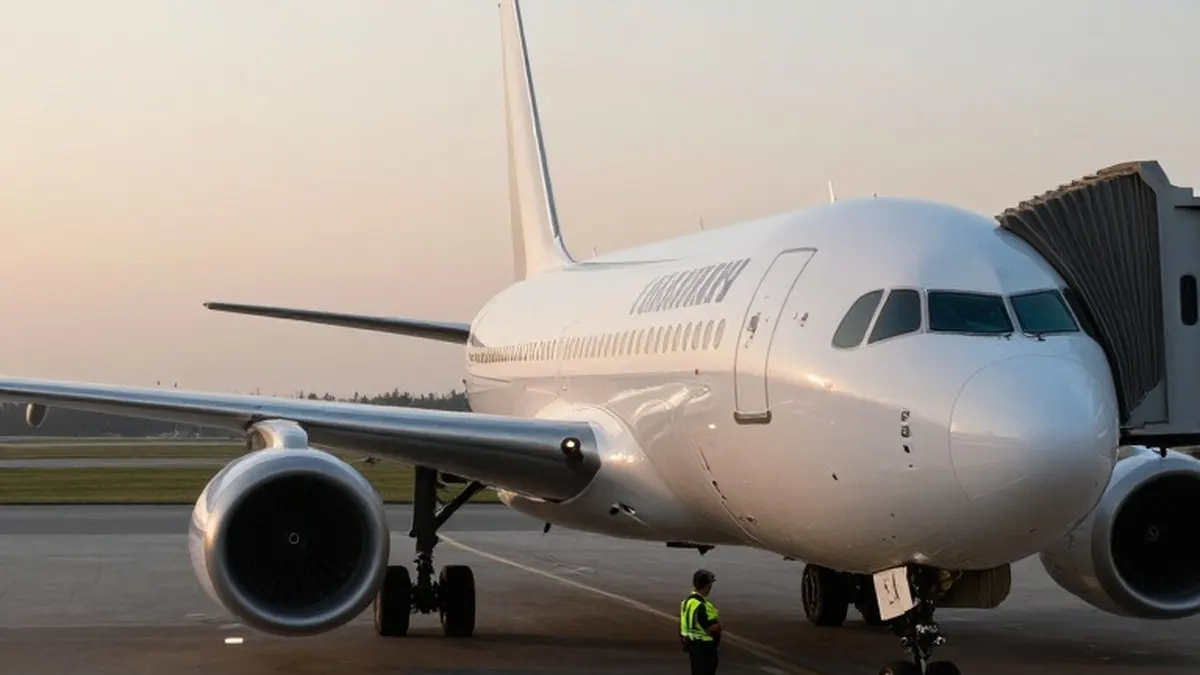
Khartoum, once a ghost town, is seeing a return of activity. International flights from Cairo, Riyadh, and Doha are arriving regularly. The city is hosting business groups from Britain, Switzerland, and Saudi Arabia who are seeking to secure deals in mining, trading, and reconstruction. This renewed economic activity signals that some stakeholders believe a ceasefire is near.
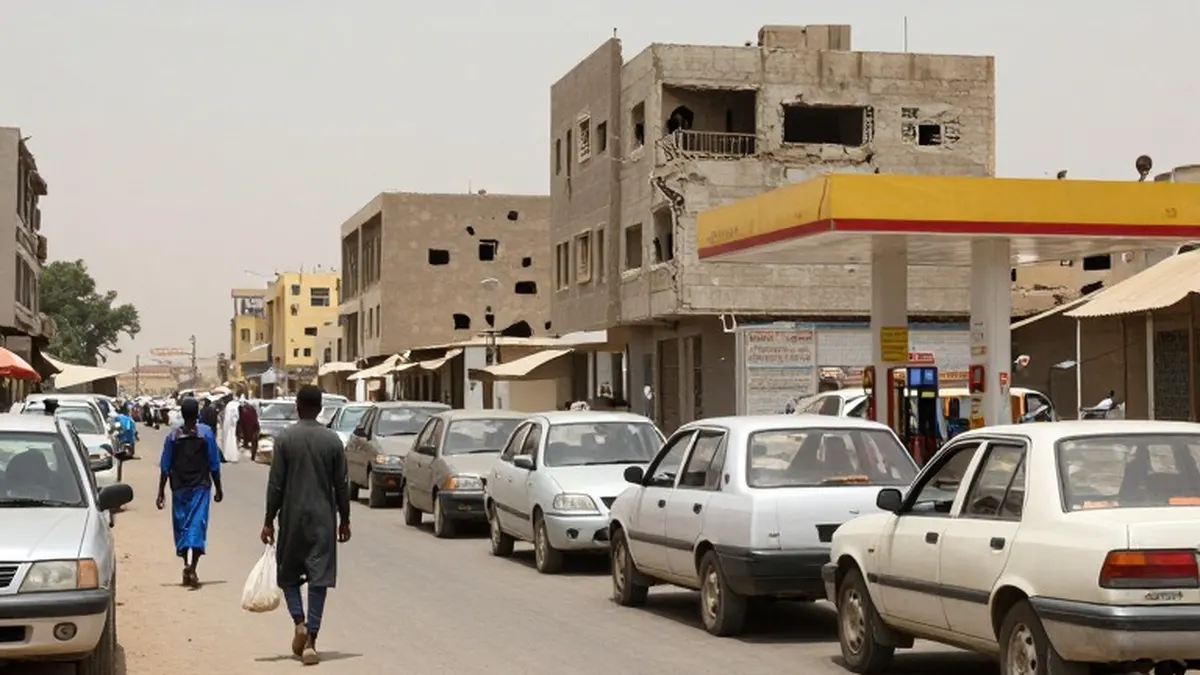
Despite this optimism, the economy is in a freefall. The Sudanese pound hit a record low of 9,000 against the US dollar during a recent visit, up from a pre-war average of 600. The exchange rate has since exceeded 10,000. Long queues for petrol have become common, and many of the 2 million returnees to Khartoum are struggling to afford basic necessities. Farmers are unable to buy fertilizer, leaving productive land fallow.
A senior official noted that the war economy, which initially funded military operations, is now a major source of pain for the population. This economic strain is creating a new demand to end the fighting. While friendly states like Turkiye and Saudi Arabia have offered temporary support for fuel and energy, it remains limited. Protests over costs have re-emerged in cities like Atbara, echoing the unrest that sparked the 2019 democratic revolution.
On the battlefield, the army is making significant gains. Army chief Abdel Fattah al-Burhan has vowed to reclaim every inch of territory. Forces have pushed back an offensive in Blue Nile State and advanced in West Kordofan, retaking the strategic town of el-Khuwei. The army now controls roughly two-thirds of the country.
The remaining major challenge is Darfur, the only region largely under the control of the Rapid Support Forces. A year after the fall of el-Fasher, which was marked by atrocities with hallmarks of genocide according to a UN mission, the army is positioned to make further inroads. Success in Darfur would corner the paramilitary group and provide the army with a strategic advantage in negotiations.
The humanitarian crisis is spiraling, potentially becoming catastrophic by year's end. A severe El Nino weather pattern has disrupted rains and devastated harvests. More than 40 percent of the population is facing acute food insecurity. Projections indicate the crisis could worsen significantly by mid-2027 unless a ceasefire allows for a massive influx of aid.
As the military rejects ceasefire proposals, public demand for a deal is growing due to exhaustion with the war. Discussions about inter-Sudanese dialogue, political reconciliation, and elections are becoming more frequent. These efforts aim to transfer governance to civilians. Ultimately, the momentum for peace is being driven by internal attitudes and deteriorating conditions rather than external pressure. The international community should focus on supporting these internal developments to prevent economic and humanitarian warnings from becoming reality.