Trade Pressure: Japan Considers Ending 76-Year US Potato Import Ban
Hokkaido farmers oppose the move, citing risks from cyst nematodes and a potential drop in domestic sales, while Tokyo weighs the proposal as part of wider trade negotiations with Washington.
By Julian Schulz ·
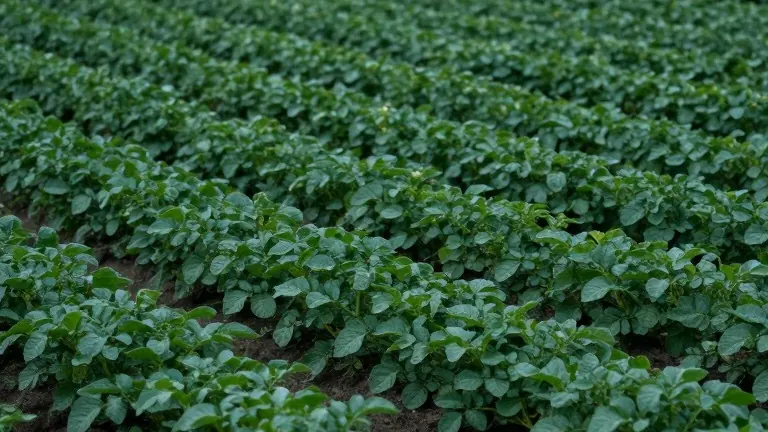
The Japanese government is moving forward with plans to lift a 76-year ban on raw potato imports from the United States, a decision driven by pressure from President Donald Trump. The proposal has not yet been finalized, but the Ministry of Agriculture, Forestry and Fisheries has begun identifying potential agricultural risks associated with the change.
Washington first requested the removal of the ban in 2020 during Trump's first term. The issue resurfaced in March when US lawmakers urged the President to raise the topic during a meeting with Prime Minister Sanae Takaichi. Japanese officials discussed the matter again during a visit to Washington, DC, in September. Media reports indicate the ministry is now seeking specific measures from the US to mitigate risks before any final agreement is reached.
Japan imports 60 percent of its total food supply but has historically maintained strict barriers on raw potatoes and rice. The ban was established in 1950 to protect domestic fields from foreign pests. Since 2006, a limited exception has allowed US potatoes to enter the country exclusively for the production of crisps. These imports must arrive in sealed containers and be processed in factories at high temperatures to eliminate biological threats.
Hokkaido farmers, who produce approximately 80 percent of Japan's potatoes, have voiced strong opposition to the proposed change. They argue that cheap imports would undercut domestic sales and that new pests could devastate local crops. The Agriculture Ministry has identified at least 21 pests and diseases that could infect Japanese potatoes if the ban is lifted. A primary concern is the cyst nematode, a small worm-like insect that damages roots and persists in soil for years.
In 2015, authorities discovered cyst nematodes in parts of Hokkaido. The affected areas remain under strict agricultural restrictions. Naohiro Makino, a farmer in Hokkaido, told the Asahi Shimbun newspaper in September that once these pests establish themselves, the land cannot support potato crops for more than a decade. He stated, "For the sake of the farmland our ancestors protected, I am firmly opposed."
Agricultural cooperatives and farmers from Hokkaido and other regions have submitted petitions to the Agriculture Ministry expressing their opposition. They have also organized rallies to draw attention to the issue. One online briefing hosted by the ministry attracted hundreds of farmers, with one participant asking why Japan would need to import potatoes when the country is already self-sufficient in the crop.
On Monday, Hokkaido Governor Naomichi Suzuki urged authorities to defend Japan's interests during the negotiations. He was speaking to Agriculture Minister Arata Takebe, who stated that talks with the United States would only proceed after Japan had thoroughly examined the scientific evidence. Officials have noted that Japan is obligated to consider US requests under international agreements and have floated protection measures such as inspections.
Makino expressed hope that the government would adhere to the minister's remarks regarding the scientific process. He said, "I hope the government will handle the talks in line with our request and his remarks." The ministry continues its investigation into possible disease outcomes as a prerequisite for any further diplomatic steps.
More Business · Consumer Watch · Report a business · Got a Story?