Trump administration claims credit for overdose decline that began under Biden
CDC data shows drug deaths have fallen for 39 straight months, contradicting the White House assertion that major gains occurred only in the last 18 months.
By Tomas Gonzalez ·
The White House announced this week that U.S. drug overdose deaths have reached their lowest point in nearly a decade. Officials claimed the sharp drop saved nearly 50,000 lives annually and credited President Trump’s policies for the turnaround. However, drug policy researchers argue the administration’s timeline is misleading because the decline started much earlier.
Sara Carter, director of the Office of National Drug Control Policy, stated that the historic decline proves America is winning the fight against illicit drugs. In a statement, Carter attributed the progress to heightened border security and the dismantling of narco-terrorist organizations. Her office reported a 41.5 percent decrease in total drug overdose deaths compared to the peak during the previous administration.
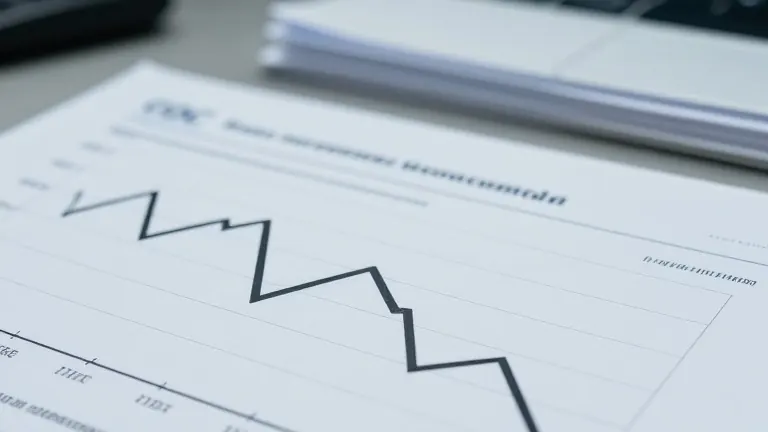
CDC data reveals that reductions in drug deaths began in 2023 and have continued for at least 39 consecutive months. This contradicts the White House claim that the primary gains occurred over the last 18 months. By the time President Biden left office, fatal overdoses had already dropped by roughly one-third. Addiction experts at the time described this initial improvement as unprecedented.
Nabarun Dasgupta, a street drug researcher at the University of North Carolina at Chapel Hill, was among the first scientists to detect the drop. He noted that the trend toward fewer deaths began in some regions and demographic groups as early as 2021. Dasgupta said the period from early 2024 through spring 2025 saw the greatest rate of decline recorded to date.
Researchers credit the Biden administration with implementing policies that contributed to the initial reduction. These measures included expanding access to healthcare, increasing the availability of naloxone, and negotiating a deal with China to disrupt the flow of industrial chemicals used to manufacture fentanyl. The previous administration also pursued drug interdiction efforts against Mexican cartels.
Vanda Felbab-Brown, a drug policy expert at the Brookings Institution, emphasized the importance of an accurate timeline. She said the steady decline since the spring of 2023 is vital for understanding the crisis. Felbab-Brown and Dasgupta agreed that improvements have continued under the current administration, but they noted that the foundation was laid previously.
When asked about progress under Biden, Carter argued that the former president does not deserve credit for overseeing the highest drug overdose numbers in history before bringing them down. She described the early data as progress on a graph rather than true progress. Carter stated the Trump administration is now positioned to build on these reductions by maintaining border security and attacking drug gangs.
Felbab-Brown disputed the claim that the administration has successfully dismantled narco-terrorist organizations. She stated that all such organizations continue to operate and remain strong. Military experts have also questioned the effectiveness and legality of Trump’s ongoing strikes against civilian boats in the Caribbean and eastern Pacific.
Dasgupta expressed concern about the sustainability of the progress given recent legislative changes. The Republican Congress passed deep cuts to Medicaid, which the Congressional Budget Office estimates could leave up to 10 million Americans without health insurance coverage. Dasgupta identified Medicaid as the largest funder of addiction services in the United States.
He warned that cutting Medicaid eligibility or making effective addiction treatment harder to access will leave people out in the cold. The administration’s current strategy relies on coordinated operations to eliminate violent cartels and drug trafficking organizations, but questions remain about the long-term impact of reduced healthcare funding on overdose prevention.