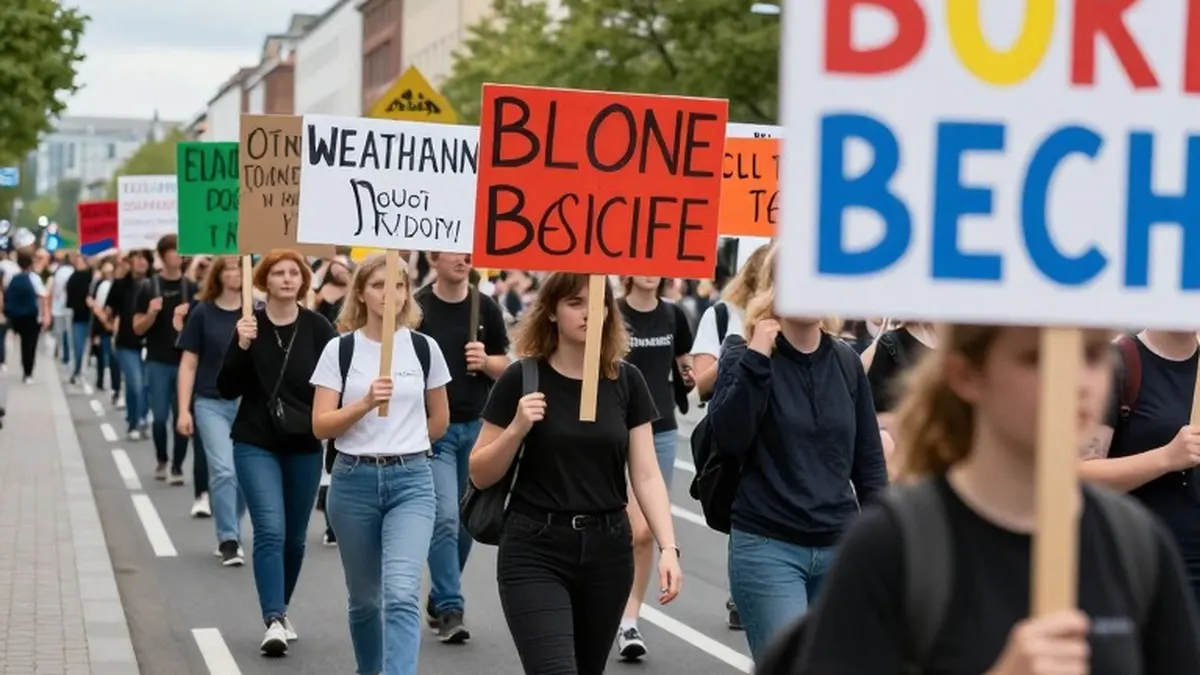
UK Weighs a Return to the EU a Decade After Brexit Vote
A decade after the 2016 referendum, UK Prime Minister Andy Burnham is pursuing closer ties with Brussels, with polls showing a majority of voters now favoring rejoining the bloc.
By Nia Foster ·
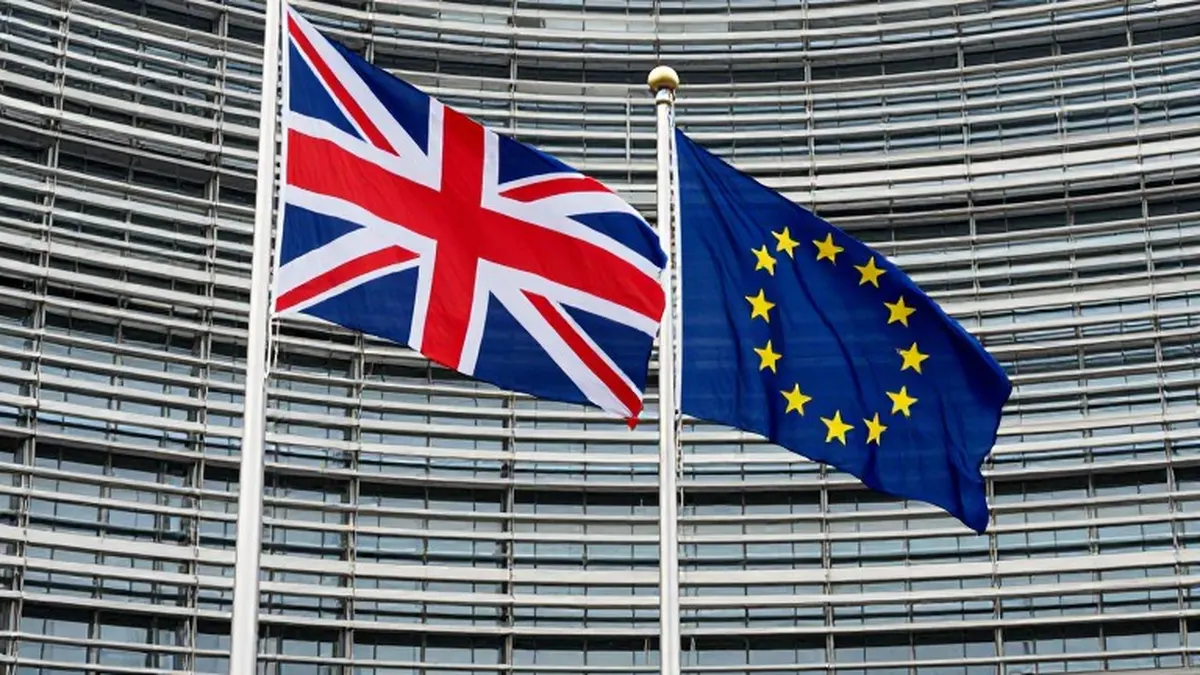
A decade has passed since the United Kingdom narrowly voted to leave the European Union, and signs of political reconsideration are becoming increasingly visible. The original referendum was a deeply divisive contest that fractured families and communities, turning the choice between leaving and remaining into a defining symbol of national identity in a shifting world. The campaign was marked by intense debate over sovereignty and economics, the tragic murder of a prominent politician, and accusations of foreign interference. For many, the process felt like a visceral fight over what it meant to be British, leaving deep scars that are still felt today.
Despite the historical friction, the EU remains the United Kingdom's largest trading partner. On Friday, UK Prime Minister Andy Burnham held a joint news conference with European Commission President Ursula von der Leyen in Brussels. Following the latest summit, Burnham described the initial agreements as the first step in rebuilding the bridges that were broken years ago. The new arrangements focus on three key areas: easing trade restrictions, expanding opportunities for young people to live and work across borders, and addressing carbon levies. Burnham characterized these measures as a good deal for Britain and a move to bring the UK back into the EU's orbit.
Public opinion on the matter has shifted significantly since 2016. According to polling expert Sir John Curtice, surveys indicate that 62 percent of respondents favor rejoining the EU, while 38 percent prefer to stay out, once undecided voters are excluded. Curtice noted that the British public is certainly in a different place regarding the bloc than they were ten years ago. However, opinions within the UK are not uniform. Some citizens argue that leaving the single market and customs union offered little tangible benefit while creating additional paperwork and trade barriers. Others, however, express no regrets about the departure.
The legal and political path to rejoining is complex. Analysts suggest that the government could theoretically begin the process of rejoining without a new referendum, provided the EU agrees. However, Professor Curtice believes this approach would be politically difficult and likely unpopular. Sionaidh Douglas-Scott, a law professor at Queen Mary University of London, explained that the 2016 referendum was not legally binding. She noted that while parties can ignore manifesto pledges, they do so at their peril. Douglas-Scott suspects Burnham might be tempted to hold a new referendum, feeling that public opinion has shifted enough to make a rejoin vote viable.
Several key questions remain unresolved regarding the terms of any potential return. It is unclear whether the UK would be required to adopt the euro, a prospect it has historically resisted. Additionally, the future shape of the EU itself is uncertain, particularly following elections in major member states like France, Germany, and Spain. Polling data reveals a distinction between support for full membership and support for closer relations. While some surveys show about 35 percent support for rejoining when closer ties are an option, Curtice points out that support for closer ties is often less firm. He explained that much of that support is soft, whereas around half of those supporting full rejoining say they strongly support it.
Domestically, prominent figures from the original Leave campaign have resurfaced to oppose any return or realignment. Reform UK leader Nigel Farage returned to Brussels on Thursday to counter the prime minister's efforts. Other key figures, including former Prime Minister Boris Johnson and his former cabinet ally Michael Gove, have also re-emerged. They have revived claims about the financial costs of rejoining or even of having remained a member. The campaign group Stay Out, for instance, estimates the annual cost at 39.3 billion pounds, which is equivalent to approximately 750 million pounds per week.
Anand Menon, a professor at King's College London, highlighted the concepts of trauma and salience in understanding the current political landscape. He noted that some people feel traumatized by the initial debate and are reluctant to revisit it. At the same time, the issue has lost some of its salience, as the public does not always consider it a primary concern. Menon observed that in 2016, Leave campaigners successfully linked the EU to immigration, a topic of high public interest. He suggested that if Burnham wants to generate the energy needed to see the process through, he will need to find a similar hook, though it remains to be seen what that will be.