Agility Robotics Lists on Nasdaq Amidst Scrutiny of Humanoid Viability
The Oregon-based firm becomes the first dedicated humanoid developer to go public, revealing financial details on its rental model and commercial deployments.
By Tomas Gonzalez ·
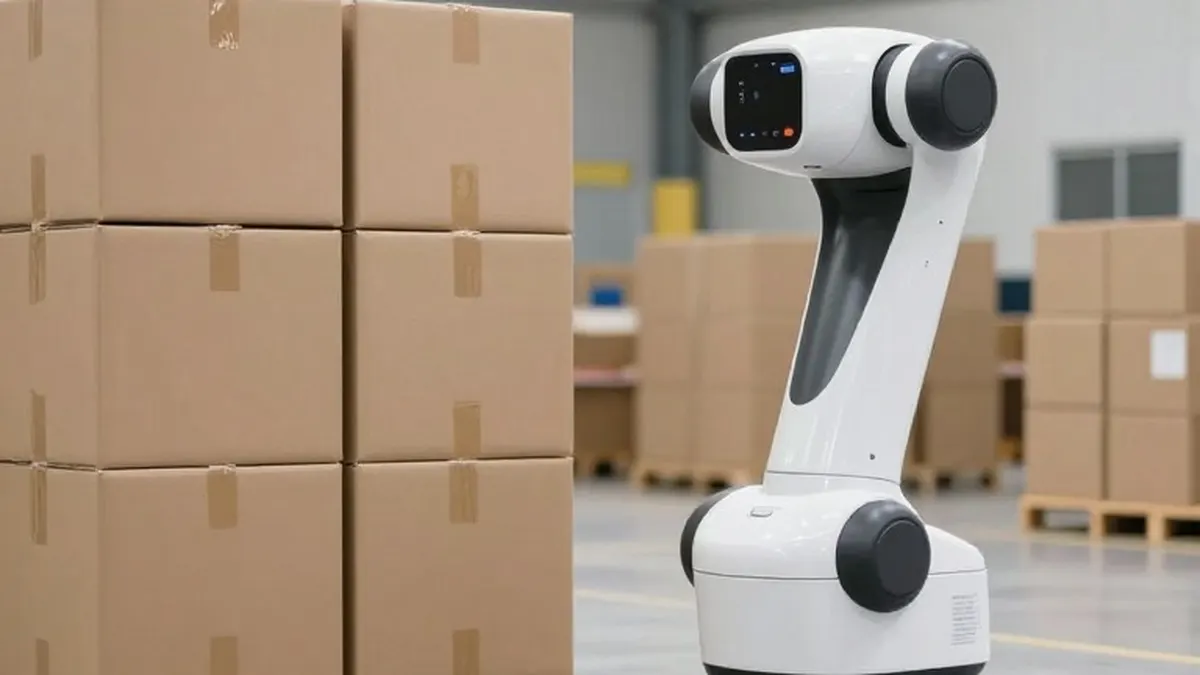
Agility Robotics has officially joined the Nasdaq stock exchange, marking a significant milestone in the robotics industry. As of November 5, 2026, the company headquartered in Salem, Oregon, is the first dedicated developer of humanoid robots to become a publicly traded entity in the United States. This public listing follows a strategic merger with a special purpose acquisition company, a process that has resulted in detailed financial disclosures regarding the firm's operational strategies and future prospects.
The company's securities filing offers a candid assessment of the current market landscape. It acknowledges that humanoid robots have not yet achieved the same level of widespread commercialization or scale as traditional industrial robots. The document notes that industrial robots possess decades of proven track records in factory and warehouse settings, whereas humanoid technology remains relatively unproven at large scale. This frank admission highlights the specific risks associated with the emerging sector.
Despite these challenges, Agility has established a distinct lead among its competitors. The company was the first to achieve full-time commercial deployment of humanoid robots at a customer warehouse in 2024. Its Digit humanoid robots are currently operational in various high-profile environments, including the logistics warehouses of GXO, the South Carolina manufacturing facility of German automotive parts maker Schaeffler, and the production lines at Toyota Motor Manufacturing Canada. This breadth of deployment distinguishes Agility from many other privately held startups in the space.
A central component of Agility's business strategy involves offering its robots as a service. This model allows customers to rent the units rather than purchasing them outright, which the company argues reduces financial risk for clients. Jonathan Hurst, the co-founder and chief robot officer at Agility Robotics, explained that this approach ensures customers see a return on investment from the first day of use. He noted that the rental rates are comparable to standard human labor costs, making the economic benefits straightforward for potential buyers.
The public nature of Agility's listing provides investors with a rare window into the unit economics of humanoid robotics. Most of the company's direct competitors remain private entities that have not shared as much detail about their financial health or operational metrics. Consequently, Agility's filings serve as a benchmark for the industry, offering transparency into how these companies plan to build sustainable businesses around manual labor automation.
The company's early traction is exemplified by its relationship with its very first customer, GXO. The logistics firm has announced plans to expand the use of Digit robots beyond their initial deployment in a Georgia warehouse. GXO intends to roll out the technology to additional facilities in North Carolina and Tennessee, signaling growing confidence in the reliability and utility of the humanoid platform in complex logistics operations.
As the market for humanoid robots continues to evolve, Agility's transition to a public company places it under increased scrutiny. Investors and industry observers will be watching closely to see if the company can scale its operations while maintaining the financial viability outlined in its recent disclosures. The success of this venture could set the tone for the broader commercialization of humanoid robotics in the coming years.
The move to the Nasdaq also underscores the growing interest in physical AI and automated labor solutions. By combining its technological lead with a transparent financial structure, Agility aims to solidify its position as a market leader. The company's ability to convert its early commercial successes into long-term profitability will be a key factor in determining the future trajectory of the humanoid robot market.
Source: Ars Technica
More News · National news · Report a business · Got a Story?