Abdul El-Sayed Wins Michigan Senate Seat, Vows to Cut US Aid to Israel
The Detroit physician becomes the first Muslim senator-elect after defeating Mike Rogers, citing frustration over US foreign policy and domestic healthcare costs.
By Julian Schulz ·
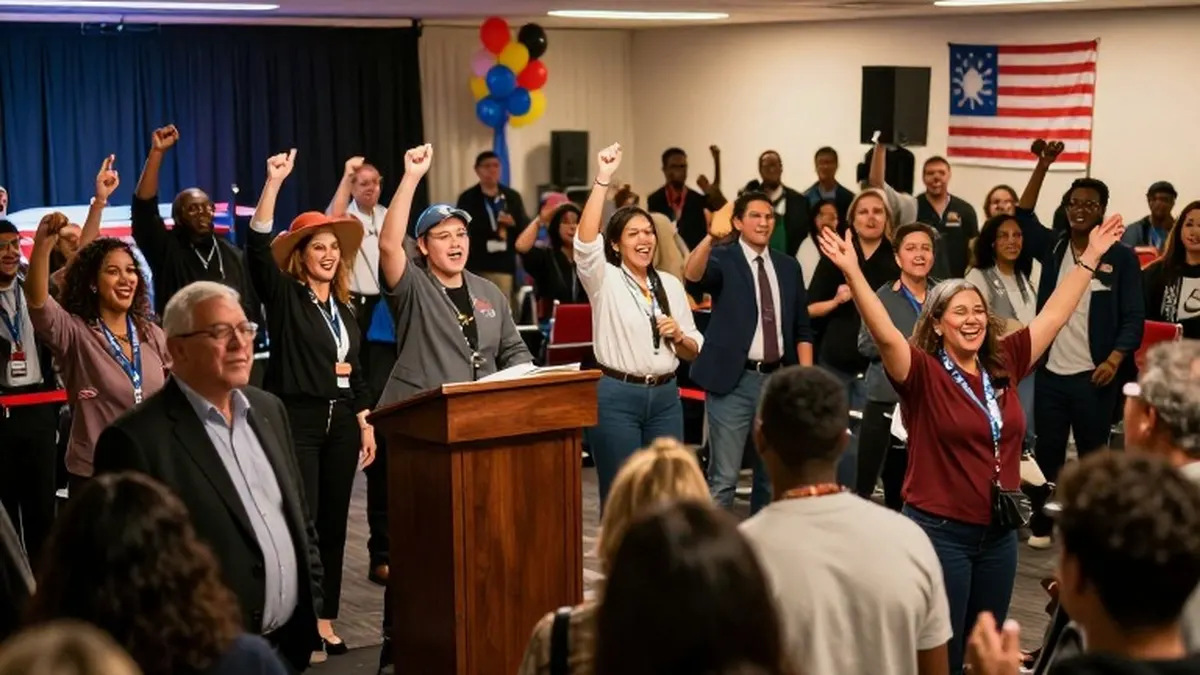
Abdul El-Sayed secured victory in the Michigan Senate race on Wednesday, defeating former Republican representative Mike Rogers to become the first Muslim elected to the upper chamber of the United States Congress. The win marks a significant milestone for the Democrat, who will succeed the retiring Gary Peters. El-Sayed addressed supporters at his headquarters in Detroit, declaring that the state had achieved a historic goal.
In his acceptance speech, El-Sayed expressed deep gratitude for the result. He noted a personal shift in his language, stating that he could replace his frequent use of the phrase 'Inshallah,' meaning God willing, with 'Alhamdulillah,' which means thank God. The crowd, which included many young voters, responded with cheers and chants of 'Free Palestine' throughout the event.
A central theme of the campaign was the use of taxpayer money. El-Sayed pledged to prioritize domestic spending on schools, healthcare, and infrastructure. He specifically criticized the allocation of funds to foreign conflicts, stating that he did not want Michigan’s money sent to support what he described as apartheid, genocide, or war. He argued that voters should be able to trust that their taxes benefit their own communities rather than funding military actions abroad.
The election took place against a backdrop of shifting political dynamics. Democrats captured both the House of Representatives and the Senate in these midterm elections. Voters appeared to reject President Donald Trump’s leadership, citing frustrations with high prices, the ongoing conflict with Iran, and concerns regarding government corruption. Support for Israel among the Democratic base has declined significantly, particularly during the war in Gaza, leading even moderate lawmakers to challenge long-standing US policy.
The race was highly contentious, particularly among Michigan’s estimated 105,000 Jewish voters. El-Sayed’s relationship with the community was complicated by his strong criticism of Israel and his past association with the streamer Hasan Piker, who has made controversial remarks about Jewish voters. Pro-Israel groups, including AIPAC, spent heavily to support Rogers, marking a rare intervention by the organization in a general election.
El-Sayed’s stance on ending all US military aid to Israel was once considered a fringe position. However, President Trump recently announced that nearly $4 billion in annual aid would wind down by the end of the year. The President claimed that Prime Minister Benjamin Netanyahu agreed with this move, aiming to deny Democratic critics a key point of attack during the campaign.
The campaign also featured intense rhetoric from the Republican side, which ran a scorched-earth strategy to portray Democrats as communists. They labeled El-Sayed a terrorist who would endanger Americans. Despite this, the 42-year-old doctor drew large crowds across the state, including in conservative areas, by rallying voters around promises of universal healthcare and economic relief.
El-Sayed pledged to help cash-strapped voters navigate the complex healthcare system and vowed to upend the for-profit medical model. He also committed to getting money out of politics. While some local Jewish leaders and former Democrat Haley Stevens backed Rogers in the final days, El-Sayed’s focus on domestic issues and his pledge to stand up to antisemitism helped him pull ahead in the final stretch of the race.
Source: The Times of Israel