Cannabis prices drop for Thanksgiving as industry revenue dips
Retailers offer discounts up to 30 percent to combat falling sales and customer behavior changes.
By Julian Schulz ·
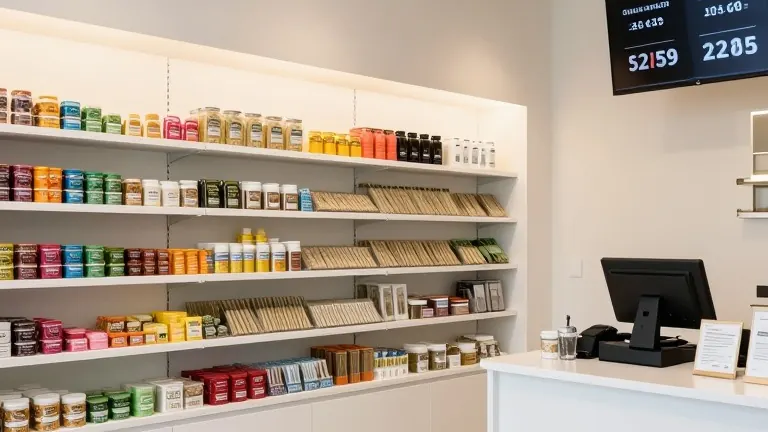
Shoppers at The Forest dispensary in Baltimore faced a choice this week: buy discounted cannabis or save money on gas and groceries. The store posted signs for 25 percent off edibles and 30 percent off for medical patients. This pricing strategy reflects a wider trend in the $30 billion U.S. cannabis industry, where revenue fell for the first time since 2014.
Whitney Economics reports that the legal market spans 24 states and Washington, D.C. The firm attributes recent sales declines to an oversupply of plant product and a culture of deep discounts. Beau Whitney, the founder and chief economist at Whitney Economics, stated that this competition has forced a race to the bottom. He noted that while consumers benefit from lower prices, operators face financial pressure.
The shift in consumer habits began in 2024. Whitney explained that customers previously used discount savings to buy more cannabis products. Now, they use the savings to cover the cost of essentials like fuel and food. This behavior change has made it harder for retailers to maintain revenue, even as foot traffic remains high during holiday periods known as Green Week.
Regulatory changes have also shaped the market. The federal government classifies recreational marijuana as a Schedule I drug. However, medical cannabis was reclassified to Schedule III this year. This category includes drugs like Tylenol with codeine and anabolic steroids. The reclassification occurred while retailers worked to stabilize their sales figures.
The industry saw a slight rebound this year, with sales up about 5 percent compared to the same period last year. Forecasts for the end of 2026 and 2027 remain modest. Whitney cited customer behavior as the primary factor. Retailers must rely on discount models to attract a stable pool of customers who have not seen rapid growth in numbers.
At The Forest, owner Christina Betancourt Johnson prepared for high traffic by stocking the store with edibles, pre-rolls, and holiday snacks. Employees provided samples of non-THC gummies to shoppers waiting in line. The store also ran a holiday food drive, offering an extra $5 discount for customers who brought in cans of food.
Regulars like Kelley Vinton, 36, adjusted their spending habits. Vinton, a medical marijuana user, typically sticks to a strict weekly budget. She added a few extra items for a pre-dinner walk with family. Employee Thomas Bourne told a customer to return for his holiday essentials, noting that it was the week for deals.
More Business · Consumer Watch · Report a business · Got a Story?