Dentists weigh hydroxyapatite against fluoride for cavity prevention
New studies show the calcium phosphate mineral performs similarly to fluoride, but long-term data remains limited.
By Julian Schulz ·
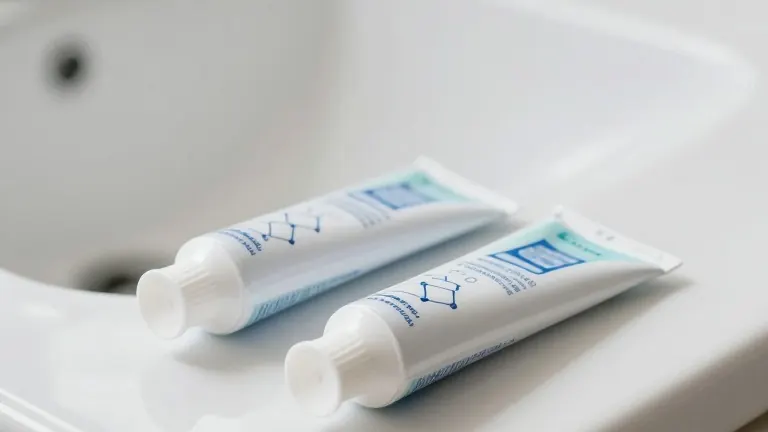
Patients are increasingly asking their dentists about fluoride-free toothpaste options.
Dr. Jin-Ho Phark, an associate professor of clinical dentistry at the University of Southern California, reports that the interest stems largely from social media influencers promoting hydroxyapatite. This calcium phosphate mineral is marketed as an alternative to fluoride for cavity protection and enamel strengthening. While traditional fluoride toothpaste became common in the late 1950s, skepticism about the mineral has grown in recent years.
Health Secretary Robert F. Kennedy Jr. has linked water fluoridation to various health issues, including bone fractures and neurodevelopmental disorders. This criticism has created a market for hydroxyapatite products. Bennett Amaechi, a professor of dentistry at the University of Texas at San Antonio, notes that many people are hesitant to use fluoride, particularly for their children.
The mechanism of hydroxyapatite differs from fluoride. Fluoride works by remineralizing teeth and forming a protective compound in saliva. Hydroxyapatite, often used in nano-particle form, is thought to penetrate tiny crevices in the enamel. Early research suggests it can be as effective as fluoride for preventing caries. Amaechi co-authored a 2021 study in Scientific Reports that followed 177 children for almost one year. The study found similar tooth decay outcomes in both groups.
A second study published in Frontiers in Public Health tracked 171 adults for 18 months and also found similar results. However, the participants in that study were mostly healthy young adults without severe oral health problems. Both studies received funding from Dr. Wolff Group, a German company that owns brands producing hydroxyapatite toothpaste. Dr. Livia Tenuta, an associate professor at the University of Michigan School of Dentistry, points out that there are very few studies and they recruited participants with low caries risk.
One 2019 study in the Journal of Investigative and Clinical Dentistry did test the mineral in 133 people at higher risk for caries. After five months, both toothpaste types performed similarly. Despite these findings, dentists generally recommend fluoride due to the volume of long-term evidence available. The American Dental Association states that while some evidence supports hydroxyapatite for remineralization, clinical effectiveness data remains limited and ambiguous. The ADA continues to recommend brushing twice daily for two minutes with fluoride toothpaste.
Hydroxyapatite toothpastes typically cost more than fluoride options, with some brands charging over a dollar more per ounce. For patients open to both, Amaechi advises using fluoride because it has more evidence supporting its efficacy. Tenuta agrees that fluoride is the best option based on current data. The CDC previously named the addition of fluoride to public drinking water one of the top 10 public health achievements of the 20th century, noting it reduces cavities by 25%.
Source: Connecticut Public Television