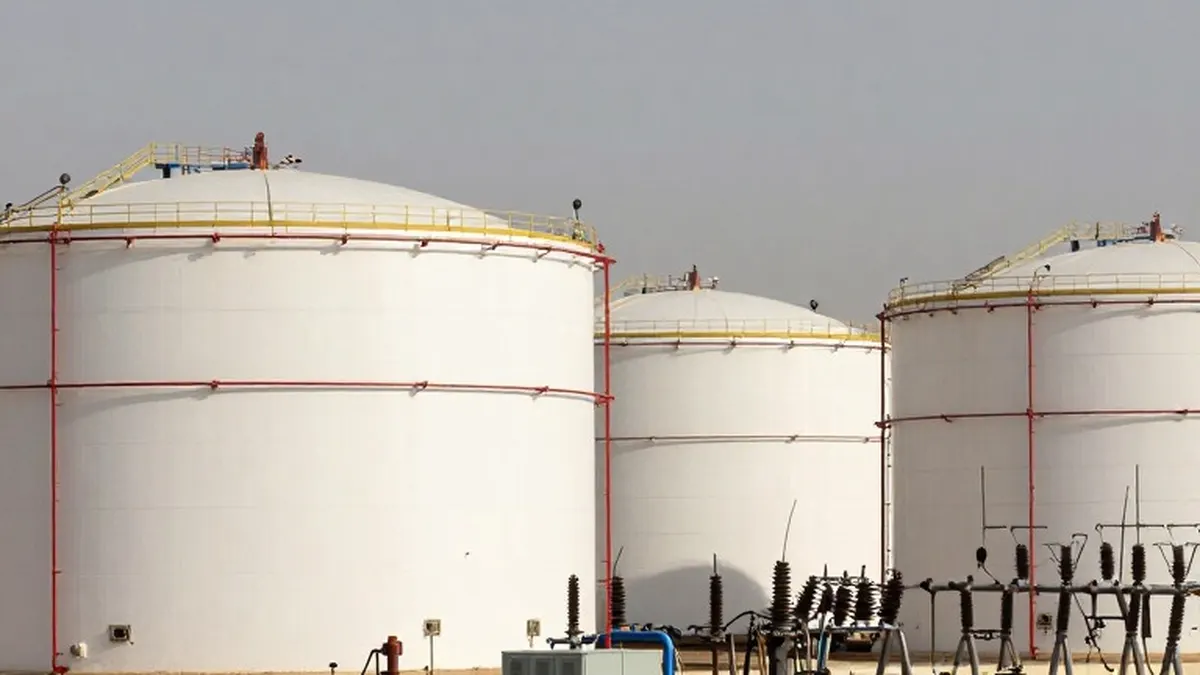
Democratic gains offer no quick path to cheaper gasoline and diesel
Democrats are poised to control Congress, but energy experts say fuel prices could take months to recover even if the war in Iran ends.
By Tomas Gonzalez ·
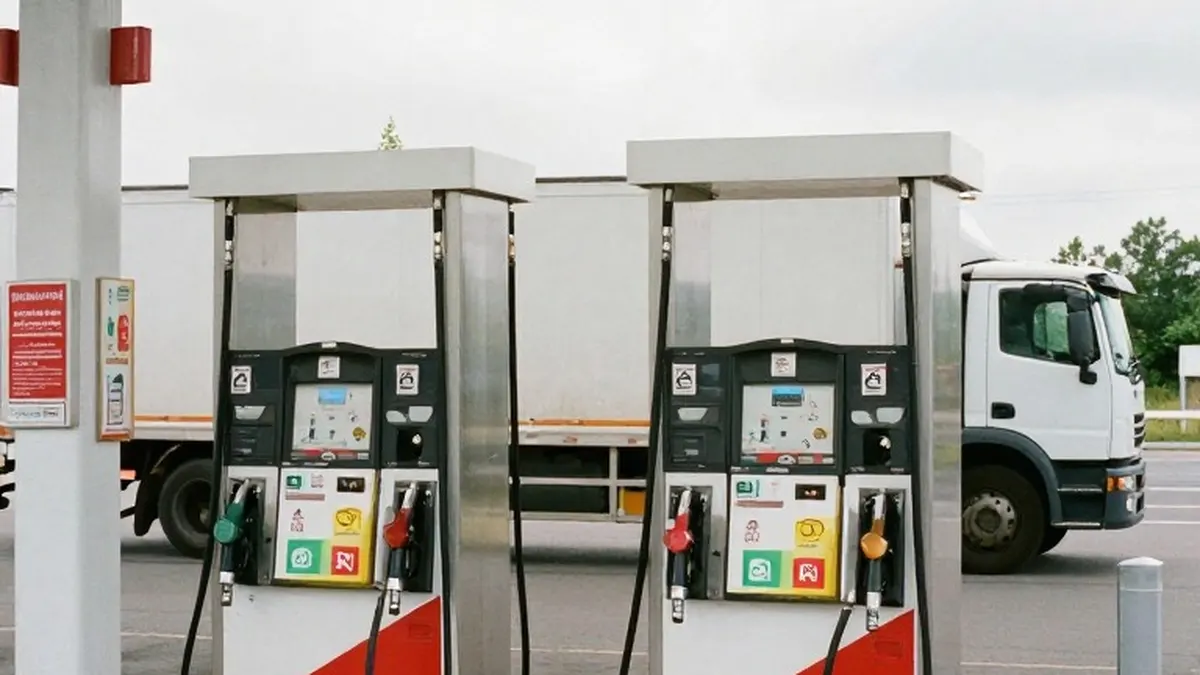
Democrats are poised to win wide majorities in Congress after an election shaped partly by anger over fuel costs tied to the war in Iran. But the results offer no immediate guarantee of relief at the pump. Energy experts say lawmakers have limited influence over global oil prices, and restoring supplies after a peace agreement could take months.
Before the conflict, roughly one fifth of global oil supplies traveled through the Strait of Hormuz. Disruption of that passage helped push Brent crude from about $70 a barrel in late February to around $110 for months, before it eased to nearly $95. Gasoline averages $4.12 a gallon, about $1 above its price a year earlier. Diesel reached a record $6.52 in September and, despite declining somewhat, remains about $2.50 higher than a year ago, according to AAA.
The increases have delivered huge profits to major oil companies over the past two quarters while squeezing drivers and raising costs across an economy dependent on trucking. President Trump sought to reduce diesel prices before the election by relaxing restrictions on dyed diesel, normally used in farming, and announcing temporary sanctions relief to bring more Russian diesel into global markets, including the United States. Those measures had little effect.
The new Congress will not take office until January. Once seated, Democrats could pressure Trump to end the war by restricting additional funding. Rystad Energy chief economist Claudio Galimberti said Congress could also pass resolutions, impose conditions on military spending and delay confirmations. Senate Minority Leader Chuck Schumer said Wednesday that Democrats intended to end the conflict and lower living costs. Trump, however, retains veto power and broad authority over military operations and sanctions.
The administration has sent conflicting signals about its plans. Trump recently warned Gulf Arab countries to prepare for another military campaign after the midterms, and U.S. forces struck Iran's Qeshm island in the strait on Nov. 2. On election night, he acknowledged voters' frustration with gasoline prices in comments to The New York Times. Vice President JD Vance subsequently wrote on social media: "The reason we lost is the war."
A credible peace agreement could bring a rapid decline in crude prices, according to Jaime Brito, executive director of refining and oil markets for Dow Jones Energy. He said traders would look for announcements from both countries that the strait was reopening and military forces were withdrawing. If convinced that peace would hold, he estimated oil prices could fall $15 to $20 a barrel within two or three days.
Lower pump prices would take longer. Ships diverted onto longer routes would need to return and resume passage through the strait, potentially creating congestion. Oil would then need to be refined and distributed. Brito's most optimistic estimate puts gasoline and diesel back at prewar levels three months after an agreement. Rystad's Jorge León expects crude to need about six months, followed by another month or two for fuels. Both said setbacks could extend recovery to a year.
Further risks include Ukrainian attacks on Russian refineries, which could slow diesel's recovery, and unexpected maintenance at U.S. refineries operating above 90% capacity. Renewed fighting could also interrupt supplies. Meanwhile, longer shipping routes, greater fuel consumption and higher insurance costs have made transporting oil more expensive. If fighting and elevated freight costs persist, Brent prices could remain higher for longer.
Source: NPR
More News · National news · Report a business · Got a Story?