Duramax owners face new risks as federal diesel crackdown eases
The Justice Department stopped most criminal emissions cases, but civil penalties and state inspections remain active threats for truck drivers.
By Tomas Gonzalez ·
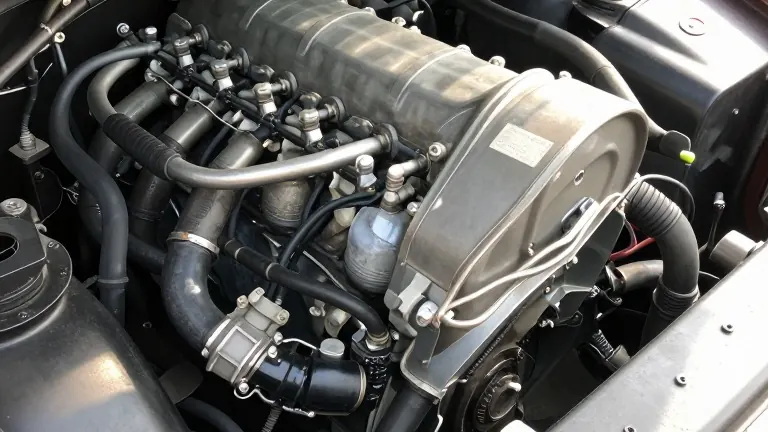
The Department of Justice stopped bringing criminal charges in most emissions tampering cases this year, a move that has changed the legal landscape for owners of Chevy and GMC Duramax trucks. While the agency will still pursue civil enforcement, the shift has created confusion about whether deleting emissions equipment is now legal. It is not. The federal Clean Air Act still prohibits removing or disabling emissions controls on vehicles driven on public roads.
This change in enforcement strategy follows a series of developments throughout 2026 that led many truck owners to believe deletes had become permissible. The primary shift is in how aggressively the federal government pursues violations, rather than a change in the law itself. Nothing in recent federal proposals legalizes deleting a road vehicle, and state inspection rules continue to apply.
The timeline of these changes began with the Justice Department’s decision to halt most criminal prosecutions. This came after several developments earlier in the year that signaled a softer stance on enforcement. The result is a situation where owners face fewer criminal risks but still hold the same civil liabilities. Enforcement priorities can shift again with future administrations, leaving the current state of affairs fluid.
Owners who delete emissions systems on road-going Duramaxes still face specific financial and legal risks. Federal authorities have confirmed they will pursue civil enforcement when appropriate. Many states, including New York, run regular vehicle inspection programs where trucks with missing equipment may fail. Modified vehicles can also create complications with registration, insurance claims, and liability after an accident.
Beyond immediate legal issues, tampering usually voids the emissions warranty and can affect coverage for related engine components. Resale values often drop because many dealers refuse to accept deleted trucks. Buyers in states with strict regulations may avoid them. Returning a truck to compliance often requires purchasing expensive original equipment, adding to the total cost of ownership.
For drivers in Westchester County who commute into New York City or travel across state lines, these practical issues carry weight. The complexity of modern diesel engines contributes to the demand for delete kits. These kits remove or bypass systems like the diesel particulate filter, exhaust gas recirculation system, and selective catalytic reduction. Parts catalogs often list these products for off-road use, but installing them on street-registered trucks creates legal exposure.
Frustration with maintenance costs drives many owners toward these modifications. Common complaints include diesel exhaust fluid faults, clogged particulate filters, and expensive sensor failures. These issues are real and can be reduced through proper maintenance. Drivers can prevent some problems by taking highway trips to allow the filter to clean itself and by using quality replacement parts.
Qualified diesel technicians recommend addressing warning codes quickly to prevent small issues from becoming major failures. Owners should also consider emissions-compliant upgrades that carry proper certification for road use. These steps help keep the truck reliable and legal.
The next step for owners is to monitor updates from the Environmental Protection Agency and state motor vehicle agencies. Rules and enforcement priorities may continue to evolve. Until then, the safest path for most drivers is to maintain detailed service records and consult with trusted professionals before making changes to their vehicles.
The current situation offers diesel owners more breathing room than in previous years, but it does not turn deleted road trucks into a legal gray area. They remain prohibited under federal law, and states continue to enforce their own requirements. The best long-term value comes from a truck that runs well, passes inspection, and remains easy to sell.
Source: Yonkers Times