Europe Records 50,000 Heat Deaths as U.S. Summer Breaks Records
Researchers attribute the record European fatalities to fossil fuel emissions, while the United States faces its hottest summer ever and local storms intensify.
By Tomas Gonzalez ·

European cities recorded an estimated 50,000 heat-related deaths this summer, marking the deadliest summer of the century for the continent. Researchers stated that this figure is three times higher than the expected number of deaths if humanity had not warmed the planet by burning oil, gas, and coal.
The extreme heat made the summer the hottest on record for Western Europe and the third hottest for the entire continent. This data comes from a New York Times article dated October 22, 2026, which identifies the toll as a likely record for the region.
In the United States, meteorologists confirmed the summer as the hottest on record. The ten warmest years in global history have all occurred within the last decade. While 2024 stands as the warmest year on record, current data indicates 2026 is on track to surpass that mark.
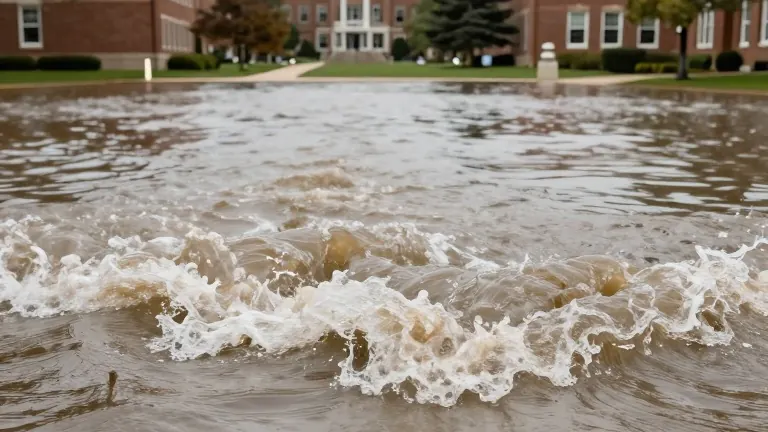
Local conditions in the Rockaways mirrored these national trends. Residents experienced stronger than normal winds and heavy rainfall. Two tornadoes touched down in the vicinity, with one striking Jamaica Bay. Many local households used air conditioning more frequently than heating systems during October.
Federal policy changes have coincided with these weather patterns. The government has moved to dismantle the Environmental Protection Agency. Regulations on corporate methane emissions have been lessened, and renewable energy projects have faced reduced support. Pollution laws have also been scaled back.
These shifts continue to support the fossil fuel industry. The sector generates approximately $2 billion a day in net profits. Critics argue that these policy moves allow the industry to maintain its economic strength while climate effects intensify.
The combination of record heat in the U.S., the record death toll in Europe, and local storm activity in the Rockaways illustrates the current state of climate impacts. The data from the last summer shows a clear trend of increasing severity in weather events across both continents.
The next steps involve monitoring whether 2026 officially breaks the 2024 global temperature record. Meanwhile, local communities continue to manage the effects of intense weather, including the aftermath of the two recent tornadoes in the Jamaica Bay area.