Iran Unveils 'Kill Trump' Billboard as Strait of Hormuz Blockade Hits US Voters
Tehran marked the embassy anniversary with a new anti-war message, citing the recent midterm election loss as proof that its eight-month grip on global oil supply is influencing American politics.
By Tomas Gonzalez ·
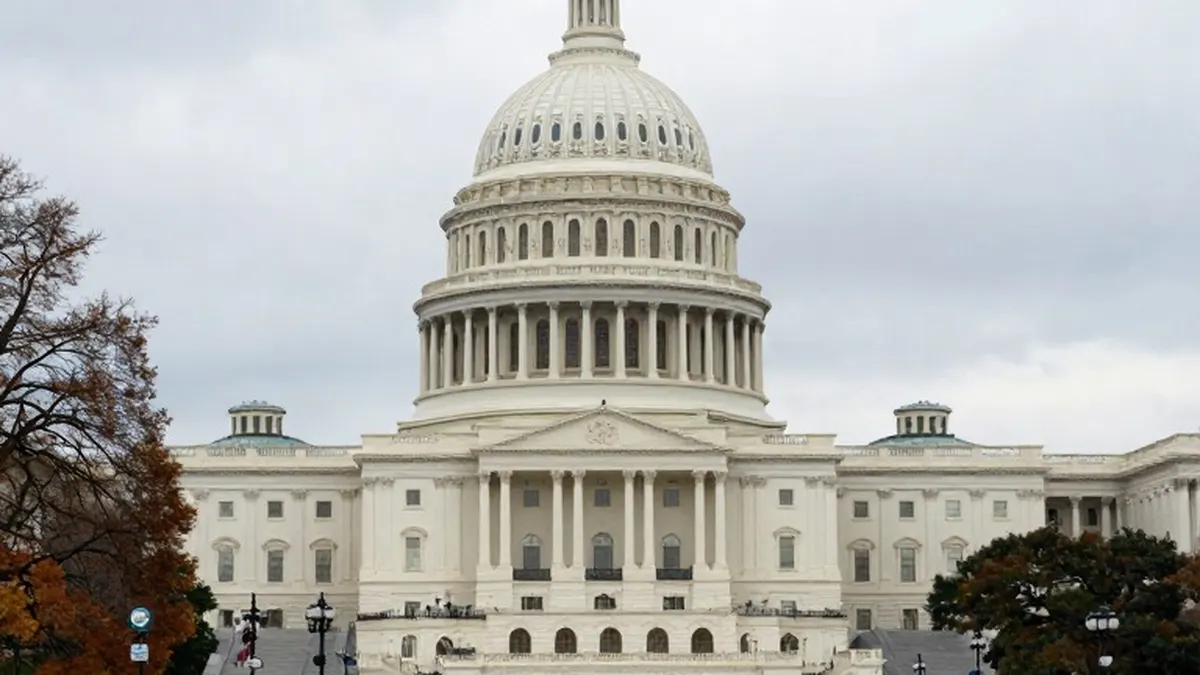
The United States has just concluded a midterm election cycle in which the incumbent party lost control of key legislative seats. In Tehran, officials are using that outcome to frame a new strategic victory.
On Wednesday, Iranian authorities unveiled a massive billboard above Enqelab Square. The installation marks the anniversary of the 1979 seizure of the US embassy. The visual displays President Donald Trump behind iron bars. Below the image, an English slogan reads, "We will kill Trump."
The timing of the display aligns with the finalization of the US election results. Iranian leadership argues that their control over the Strait of Hormuz has directly impacted the American economy. They have maintained this chokepoint for eight months. This restriction has pushed up diesel prices and driven inflation. President Trump acknowledged on Wednesday that these costs may be too high for the American public to accept in order to prevent Iran from developing nuclear weapons.
Political figures in Iran are interpreting the election results as a direct consequence of their pressure on the US. Ehsan Movaheidian, an international relations scholar, stated that Iran has effectively achieved regime change in the United States. He predicted that similar political shifts would follow in Europe.
In the Iranian parliament, conservative member Meisam Zohurian said the aggressor had been smeared in the dirt due to Iran's influence on the outcome. Ali Nikzad, the first deputy speaker, described the electoral defeats as aftershocks of Trump's defeat by the Iranian people. This sentiment reflects a mood of triumph among official circles.
Supreme Leader Mojtaba Khamenei offered a more cautious view. He wrote that those expecting a change in the behavior of the US through partisan shifts were seriously mistaken. He argued that the hegemonic system would not alter its conduct simply because of a new congressional majority.
Mohammad Bagher Ghalibaf, Iran's chief negotiator, urged Trump to accept the wisdom of the American people on social media. He noted that the US said no to war. He warned that if the US government betrayed this public will to serve international paymasters, Iran's refusal would come with a nightmare.
Other nations are now looking to resolve the oil export blockade. China is testing the feasibility of a deal where Iran dilutes its highly enriched uranium stockpile under international supervision. A Chinese special envoy is traveling to Oman, Iran, and Saudi Arabia to explore these options. These nations may remind Tehran that Trump remained determined to keep Iran in his vice despite darkening opinion polls.
Trump has greater latitude and less accountability for the next two months, before the new Congress convenes in January. Influencers like Laura Loomer are pressing for a quick strike, arguing that there is nothing left to lose. Benjamin Netanyahu is touting intelligence about Iran preparing chemical weapons. Hillary Clinton believes Trump will feel trapped and react aggressively with the long-delayed attack.
Trump told Fox News this week that Iran has very few missiles and drones left. He said the US is dealing with total strength. He expressed confidence that the conflict could be ended at any time.
Source: The Guardian