Mail ballot errors can be fixed in most counties
A 2025 Supreme Court ruling requires counties to notify voters of flaws, allowing many to cure defects before Election Day.
By Nia Foster ·
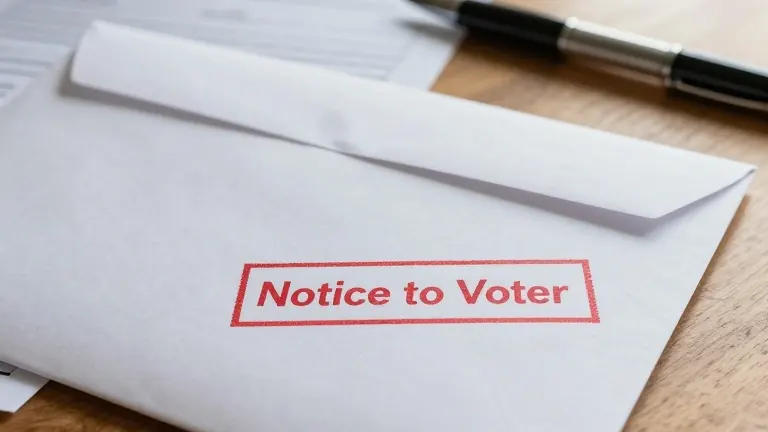
Voters in Pennsylvania who find errors on their mail ballots now have a clearer path to correction. A 2025 ruling from the state Supreme Court mandates that counties notify voters if a submitted ballot is flawed. This notice prevents silent rejection of votes. Most of the state’s 67 counties have adopted a notice-and-cure process in response to this mandate.
The change affects nearly 2 million voters who used mail ballots in the 2024 general election. Mail voting has been available to all Pennsylvania residents since 2020. Voters can track the status of their ballots through an online tool provided by the Pennsylvania Department of State. This tool helps users confirm whether their ballot has been received and counted.
Under the new rules, election boards must inform voters when their ballots contain errors that would otherwise lead to rejection. In counties using the notice-and-cure method, voters receive specific instructions on how to fix the problem. This allows them to submit a corrected ballot before the deadline. The process applies to common errors such as missing signatures or incorrect markings.
Five major counties in the region follow this procedure. Bucks, Chester, Delaware, and Montgomery counties, along with Philadelphia, use the notice-and-cure system. Their boards of elections send notifications to affected voters. These counties allow voters to cure their ballots directly. Voters in other parts of the state may receive notice of rejection and instructions to vote provisionally on Election Day.
Voters who cannot cure their mail ballots still have an option. If a voter is notified that their mail ballot has errors preventing it from being counted, they can cast a provisional ballot at the polls. The state Supreme Court ruled that these provisional ballots must be counted. This ensures that voters with flawed mail ballots are not disenfranchised if they show up on Election Day.
Residents can reach out to their county election boards for specific guidance. Each county may have slightly different procedures for curing ballots. The Department of State provides the tracking tool, but local boards handle the notification and correction processes. Voters should monitor their mail and online accounts for messages from their county election offices in the days before the election.
The timeline for these actions depends on the county’s specific rules. Notifications are sent out after ballots are processed. Voters must act within the timeframe provided by their local election board. The process is designed to give voters a final chance to ensure their votes are recorded. No further state-level action is scheduled before Election Day.
Source: WHYY-FM