Nesher mayor urges Haifa metro planning, questions infrastructure for Nvidia campus
Roy Levi called for greater transport investment in northern Israel while raising concerns about Nvidia's planned Kiryat Tivon campus and the redevelopment of Haifa Bay.
By Nia Foster ·
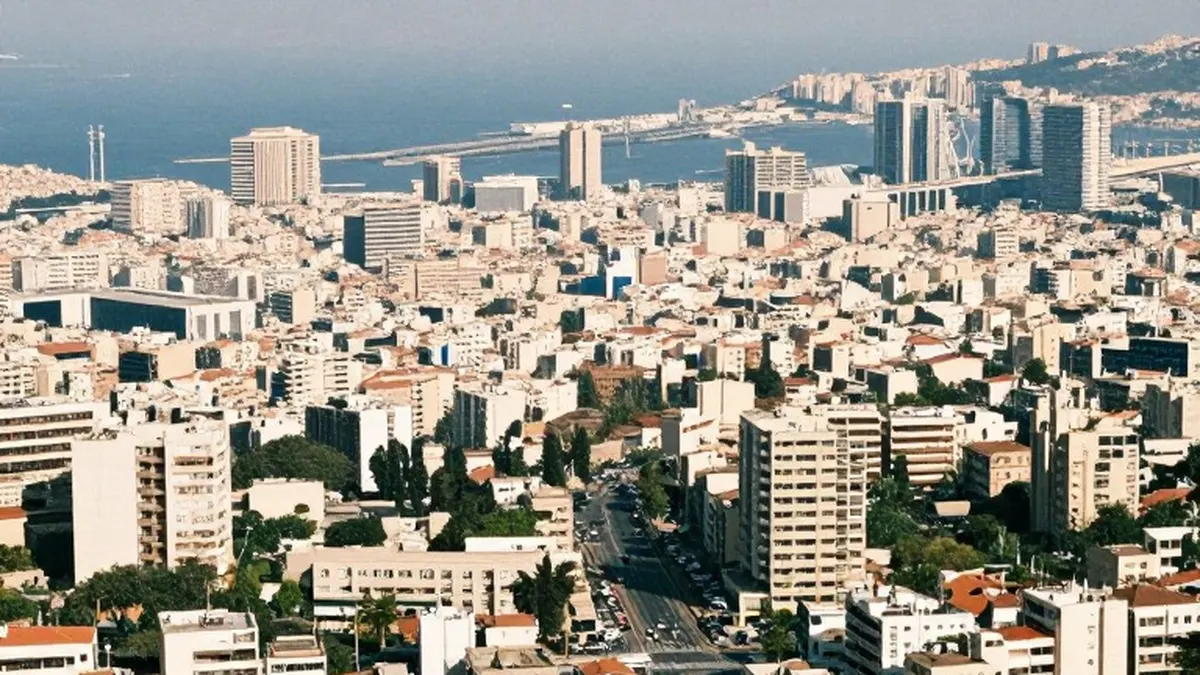
Nesher Mayor Roy Levi urged the government to start planning a metro for the Haifa metropolitan area, arguing that northern Israel trails the country's center in transportation investment. Speaking to Maariv this week after the Haifa Bay Conference, Levi also questioned whether infrastructure around Nvidia's planned Kiryat Tivon campus could support the development.
Levi, who is deputy chairman of the Federation of Local Authorities in Israel, said a metro would be his first choice of transportation project, even if completion took another 30 years. He contrasted the Metronit bus rapid transit system with underground infrastructure being built in the Dan metropolitan area. Although he praised the Carmel Tunnels, he argued that tolls deter some drivers, while tunnels in Jerusalem carry no such charges.
He linked the region's difficulties in advancing government and legislative priorities to what he described as an absence of regional representatives in the newly elected 26th Knesset. Levi also argued that Haifa's leadership should do more to promote metropolitan development. He cited Sammy Ofer Stadium as evidence of the city's potential, crediting Mayor Yona Yahav with advancing the project and calling for efforts to rebuild residents' civic pride.
Turning to Nvidia, Levi questioned how approximately 6,000 employees would reach the Kiryat Tivon campus and where they would live. Nesher had competed to host the project, and he maintained that land proposed by the Clal Group in his city was better suited. He argued that the Tivon location lacked room for the surrounding businesses and services a workforce of that size would require.
According to Levi, existing plans for the Tivon land were not tailored to Nvidia and included multiple companies, a transportation terminal and an ecological corridor. He said some elements could require changes or cancellation. He also raised concerns about nearby flood risks, high-voltage power lines, underground parking construction on clay soil near the Kishon River, limited public transport and constraints on widening roads.
Levi acknowledged Kiryat Tivon council head Ido Greenblum's efforts to secure a nearby railway station but questioned the planning timetable. Allowing for approvals, permits and construction, he estimated that the campus would open in 2034 or 2035 even under favorable conditions. He said Nesher's proposed site could support housing and community facilities, confirmed continuing conversations with Nvidia and reported that another major company was negotiating over the land. Nevertheless, he said a Tivon campus would benefit the wider metropolitan area.
On National Outline Plan 75, which addresses Haifa Bay's redevelopment and transition away from heavy industry, Levi argued that local authorities had been excluded from years of planning despite their future service obligations. He questioned whether proposed logistics facilities and a trade corridor would generate enough employment, and warned against marketing housing land before establishing a clear industrial relocation timetable.
Levi also rejected the prospect of closing the Bazan oil refineries by 2029, saying replacement fuel supply, storage and other production arrangements must first be established. He offered no alternative date. Despite Nesher receiving municipal revenue from the complex, he supported eventual closure and called for stronger environmental enforcement and substantial penalties for air pollution violations in the meantime.
Discussing national politics, Levi declined to identify his election choice but supported broader military conscription, including among haredi and Arab Israelis. He argued that people who do not enlist without a medical exemption should not receive the same rights as others, while acknowledging that integration would probably be gradual. He also backed Arab participation in coalition negotiations, saying representatives should help improve infrastructure, education and social conditions in their communities.