One in 20 Americans battles seasonal depression that cycles with the light
Psychiatrist Dr. Norman Rosenthal coined the term for the condition in 1984, and new data shows it affects a large portion of the population with specific biological triggers.
By Tomas Gonzalez ·
One in 20 people in the United States lives with seasonal affective disorder, a condition that typically persists for 40% of the year, according to the American Psychiatric Association. The disorder is defined by a recurring pattern of low energy and mood that aligns with the changing seasons.
Dr. Norman Rosenthal, a psychiatrist who moved from South Africa to the United States in 1976, identified the pattern after observing patients who lost energy during harsh winters. He published the first research on the syndrome and coined the term SAD in 1984. He described the phenomenon by noting that, like autumn leaves, affected individuals became depressed on a schedule that reversed in spring.
The condition affects women at a rate four times higher than men and is more common in the Northern Hemisphere. Symptoms include sluggishness, oversleeping, overeating, weight gain, and a loss of interest in previously enjoyable activities. Many people experience a milder version known as the winter blues, characterized by feeling sadder, sleepier, or slower than usual.
Rosenthal notes that the symptoms often creep up on individuals incrementally. A patient described the feeling as being like a bear wanting to hibernate. Rosenthal compares the gradual onset to a frog in a bowl of water that slowly warms, where the frog does not realize it is in danger because the change happens so slowly.
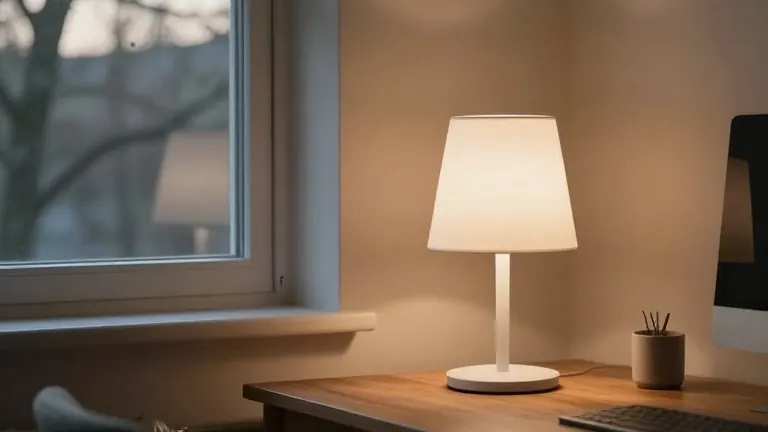
A core physiological factor in SAD is a need for more light. Rosenthal recommends using a SAD lamp that generates approximately 10,000 lux of light, a level far more intense than standard indoor lighting. The light is absorbed through the eyes rather than the skin. He advises placing the lamp so it shines down on the user, mimicking the way the sun hits the bottom part of the retina.
Users should aim for 20 to 30 minutes of exposure per day, ideally in the morning. Rosenthal suggests that a difference should be noticeable within two weeks. While studies on preventive light therapy are inconclusive, the lamps have made a big difference for those already diagnosed. Individuals should still seek natural outdoor light, even on overcast days, and maintain clear windows to maximize exposure.
Diet plays a role in managing the condition. Rosenthal observes that people with SAD have a tremendous appetite for carbohydrates, craving sweets and starches that lead to weight gain. Emily Manoogian, a clinical researcher at the Salk Institute for Biological Studies, explains that people with SAD often have a delay in their circadian rhythm. Food acts as a cue for the body, so eating signals that it should be awake.
Manoogian recommends stopping eating three hours before sleep and keeping meal times within a consistent 10- to 12-hour window. This routine gives the body a strong cue for the time of day. Exercise serves a similar function as an environmental cue that tells the internal clock it is time to wake up. Manoogian states that exercising during the active time of the day helps the brain stay awake at the right time and allows the body to rest in the evening.
Stress is a third major cause of SAD, alongside genetic and light components. Rosenthal says stress often arises from a lack of motivation and feeling ineffective while depressed. He suggests reducing stress by decorating rooms with bright colors, seeing a therapist, or trying meditation. If the disorder interferes with work or relationships, medication can be effective. Rosenthal notes that while these measures are not a cure, consistent management can sometimes cause the SAD to die of neglect.
Source: WYPR