Patio heaters: propane or electric?
Propane models warm larger areas at a lower fuel cost, while electric units offer simpler setup for smaller spaces.
By Nia Foster ·
Households seeking outdoor warmth face a practical choice between two distinct heating technologies as winter temperatures drop. The decision between electric and propane patio heaters depends on the size of the space and the preference for fuel costs versus convenience.
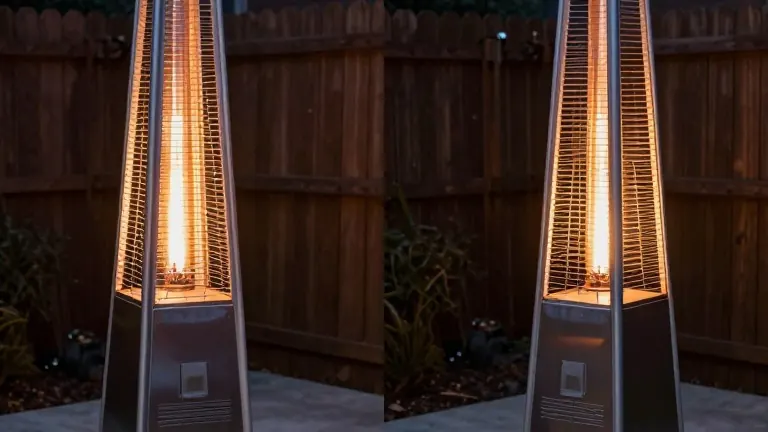
Electric heaters primarily use radiant heat, which warms nearby objects and people directly rather than the surrounding air. This mechanism makes them most effective in smaller, enclosed areas. Propane heaters rely on convection, heating the air volume around the unit. While people nearby also feel the warmth, the primary effect is raising the ambient temperature, which suits larger spaces better, especially with high-powered models.
The energy requirements for each type differ significantly in user experience and expense. Electric units require only a power outlet, offering immediate ease of use. Propane systems require a gas tank but generally provide cheaper fuel over time. Electricity is the more expensive option, a trade-off consumers make for the simplicity of plugging in a device.
Heating power is measured in watts for electric units and British thermal units, or Btu, for propane units. Higher numbers indicate greater heat output and the ability to warm larger areas. Manufacturers label products with these figures to help buyers match the heater to their patio size.
Purchase prices for these appliances vary by size and features. Small-scale heaters typically sell for between $50 and $100. Larger, higher-quality models can cost up to $150. The largest and most powerful units often price at or above $200. These costs reflect the hardware alone, excluding the ongoing expense of electricity or propane tanks.
Specific models illustrate these differences. A propane heater with a maximum output of 46,000 Btu can provide heat in a nine-foot radius and uses a standard 20-pound tank. Another propane model delivers 40,000 Btu and runs for eight to 10 hours on a full tank. Electric options include 1,500- and 3,000-watt models. Some electric units are IPX4 weatherproof, allowing use in light showers, and may include smart plug connectivity or remote controls.
The choice ultimately rests on the user's specific environmental needs and budget constraints for fuel versus hardware.