Somalia and UAE relations fracture over sovereignty and regional power
Somalia and the UAE have severed diplomatic ties after a year of escalating disputes over sovereignty, regional influence, and foreign policy alignments.
By Julian Schulz ·
The diplomatic relationship between Somalia and the United Arab Emirates has deteriorated sharply, culminating in a formal rupture earlier this month. On November 19, the Somali government ordered the Emirati ambassador to depart and recalled its own envoy from Abu Dhabi. This move marks the most significant break in ties between the two nations, which have historically maintained close security and commercial partnerships.
President Hassan Sheikh Mohamud, who returned to office in 2022, initially championed the partnership as essential for the fight against al-Shabab. However, tensions escalated over the past year as Mogadishu accused Abu Dhabi of undermining national sovereignty. Two days before the expulsion order, the president criticized the UAE for financing rival regional administrations and supporting armed groups outside federal control. He used a family metaphor to describe the situation, stating that a brother does not divide a family or buy property without knowledge.
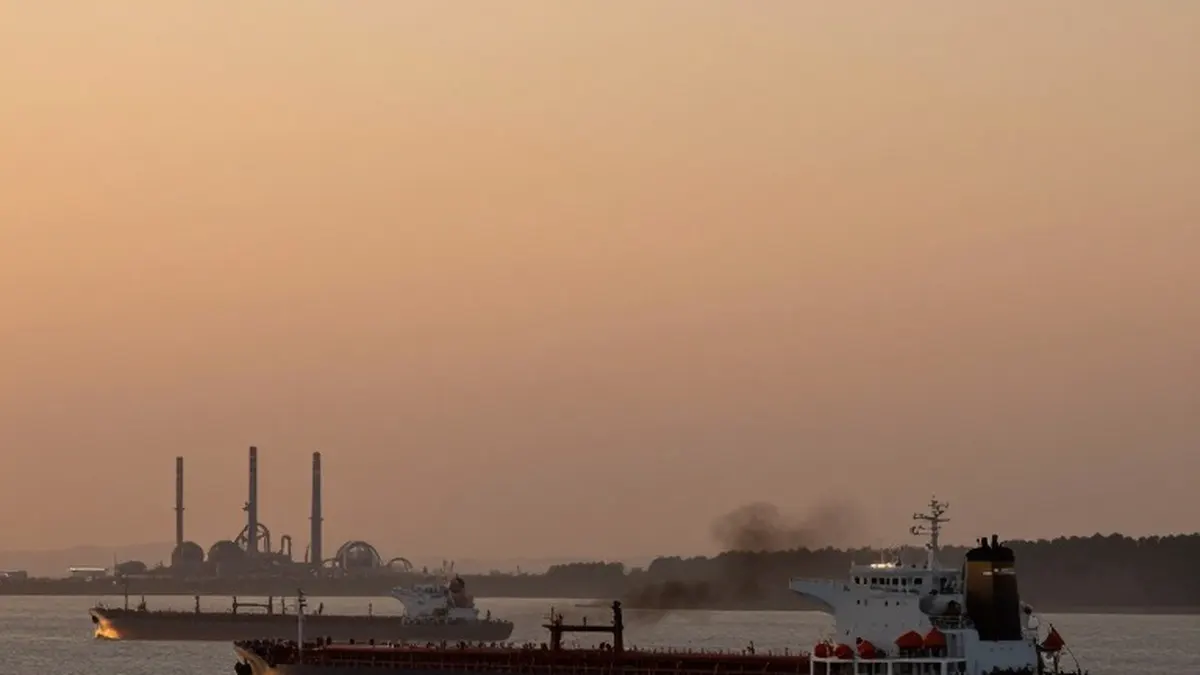
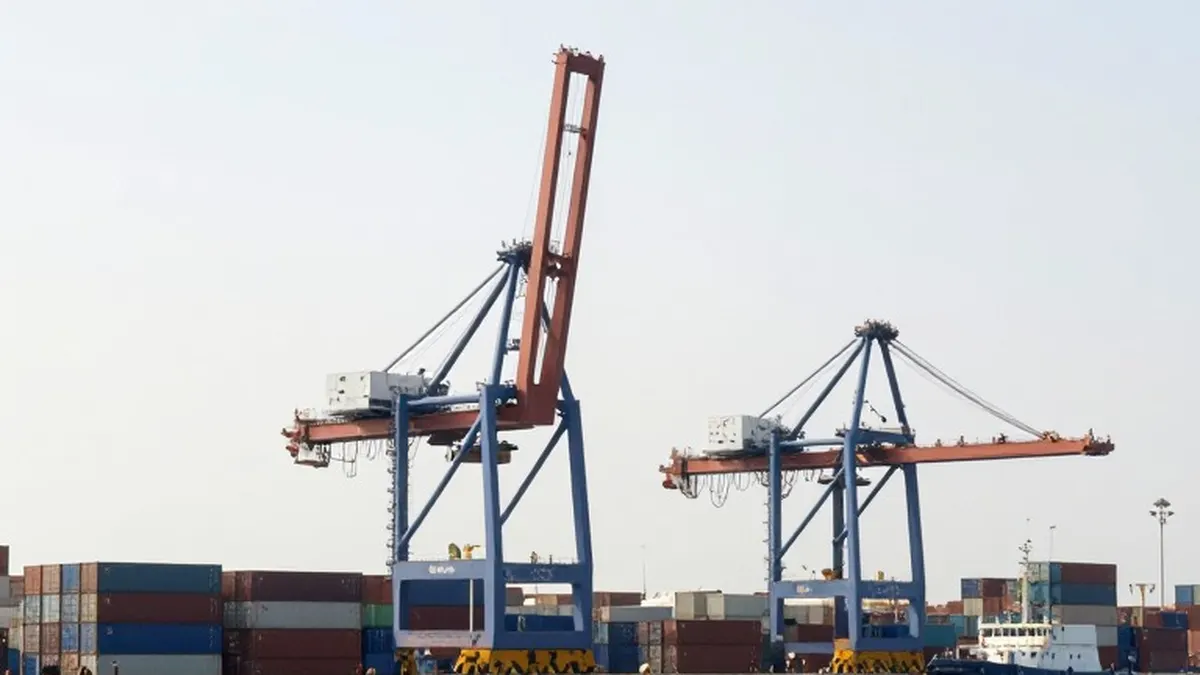
The dispute has roots in the complex political landscape of Somalia, where semi-autonomous regional administrations hold significant power. Since 2012, the federal government has struggled to assert authority over regions like Puntland, Jubbaland, and Somaliland. Abu Dhabi has cultivated deep ties with these entities, bypassing the central government. The UAE has invested heavily in infrastructure, most notably in the ports of Berbera and Bosaso, which serve as crucial economic hubs for their respective regions.
Somaliland’s foreign minister noted that the UAE treated the region as an independent state, leading to substantial investment and job creation. The Gulf state has also developed military facilities near key ports and supported the Puntland Maritime Police Force. These actions have provided tangible benefits to regional leaders but have simultaneously strengthened their leverage against the federal government in Mogadishu.
The current crisis intensified in January when Somalia annulled several commercial and defense agreements with the UAE. The federal government alleged that Abu Dhabi had secretly transported a Yemeni separatist leader through Somaliland without authorization. In response, regional administrations rejected the annulment, insisting that their direct agreements with the UAE remained valid. Somalia’s national security adviser characterized the port agreements as a security issue rather than a political one.
The diplomatic standoff is also entangled with domestic political struggles. President Mohamud has sought to reassert federal authority through constitutional and electoral changes, a move opposed by regional leaders who fear a loss of autonomy. The UAE is accused of supporting these regional opponents, including the deposed leader of Southwest State, who has fought to retake control of Baidoa. Experts suggest that the UAE’s backing provides sub-national leaders with the resources to resist Mogadishu’s centralizing agenda.
The conflict has also drawn in other regional powers. The federal government has aligned itself with Turkey, Qatar, and Egypt, while some regions maintain ties with the UAE and Ethiopia. Somaliland has also grown closer to Israel. This alignment has turned Somalia’s internal rivalries into a proxy for broader Middle Eastern disputes.
Sudan has recently complained that the UAE is using Somali ports to supply the Rapid Support Forces, a paramilitary group fighting the Sudanese army. Additionally, the transit of a UAE-backed Yemeni leader through Somali territory has heightened tensions between the UAE and Saudi Arabia. Analysts warn that while foreign investment has brought benefits, the overlapping interests of external powers are exacerbating Somalia’s internal divisions.
Despite the sharp rhetoric, senior Emirati officials have stated that ties will remain strong. However, the federal government is increasingly using its military strength, including Turkish-trained troops, to counter UAE-aligned rivals. The situation illustrates the difficulty Somalia faces in balancing its need for international support with the imperative to maintain sovereign unity.