BCCC enrollment down 20% since 2019 as interim president arrives
Howard County Executive Calvin Ball takes the top job at Baltimore City Community College following a state audit that found $264,000 in aid paid to 145 fake students.
By Tomas Gonzalez ·
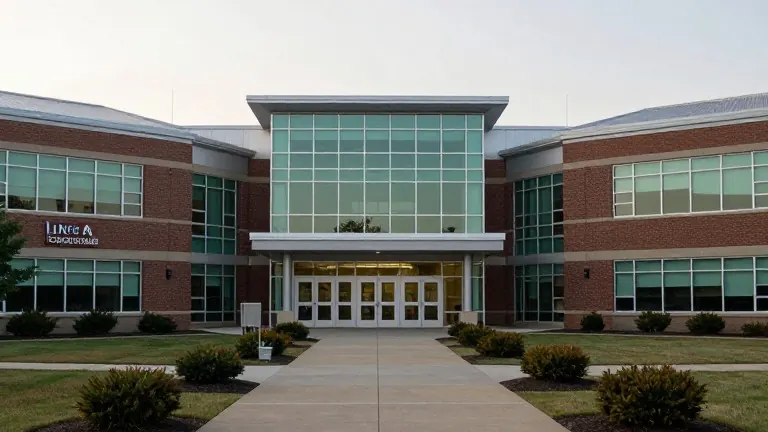
Baltimore City Community College has lost nearly 20% of its student body since 2019, a decline that contrasts with a national enrollment increase of 6% for similar institutions. This contraction coincides with the appointment of Howard County Executive Calvin Ball as the college’s new interim president. Ball will assume the role as Debra McCurdy steps down at the end of the year. His arrival follows a state audit released this summer that identified significant financial irregularities and mismanagement at the two-year institution.
Ball returns to the college where he previously oversaw the Complete College Baltimore program, a initiative designed to remove barriers for students pursuing associate degrees. He holds a doctorate in education from Morgan State University with a focus on community college leadership. In an interview with The Baltimore Banner and WJZ-TV, Ball stated that being an educator defines him. He described empowering current and future generations through higher education as a priority of his career.
The state audit revealed that BCCC awarded approximately $264,000 in financial aid to 145 fictitious students. Staff had already flagged these students as potentially fraudulent before the funds were released. The college also received $126,901 from the Maryland Higher Education Commission to support the enrollment of these non-existent individuals. Furthermore, the audit found that the college paid for over $500,000 in surveillance cameras and door access controllers that were never installed. The equipment sat unused for three years after purchase.
BCCC, founded in 1947 and located in northwest Baltimore, currently enrolls about 3,700 students. Of those, 48% receive Pell Grants, and two-thirds of the student population is Black. The college offers 30 associate degree programs. Ball said he intends to work with Governor Wes Moore, Mayor Brandon Scott, and local community members to address the issues identified in the audit. He also plans to address concerns raised by the college’s unions.
Faculty members have expressed long-standing distrust of the administration. Angelique Cook-Hayes, a longtime faculty member, noted that conditions including enrollment and building management have worsened since 2016. She said in an interview last spring that the staff lacks faith in the leadership. Laura Pope, a union organizer, stated that faculty have many unanswered questions about the institution's direction. She added that there is currently no one available to answer them.
The college’s governance has faced turbulence recently. Last October, Kurt Schmoke, then chair of the BCCC board and president of the University of Baltimore, proposed consolidating BCCC under his university. Faculty members said they were blindsided by the proposal. McCurdy, who has led the college since 2019, was reported to be supportive of the idea, though the college never issued a public statement regarding the merger. The plan has since stalled, and Schmoke resigned from the board. He plans to retire from the University of Baltimore in 2027.
This summer, the faculty union ratified its first contract after a bargaining period lasting nearly a year and a half. The agreement guarantees a wage increase of nearly 9% and provides new protections for workers. Cook-Hayes described the negotiation process as challenging, citing difficulty in reaching McCurdy. Ball said he wants faculty and staff to know he views himself as a partner in the institution’s recovery. He expressed excitement about returning to his professional roots at the college.