Brooklyn Collapse: Eight Dead As Grieving Families Act Veto Looms
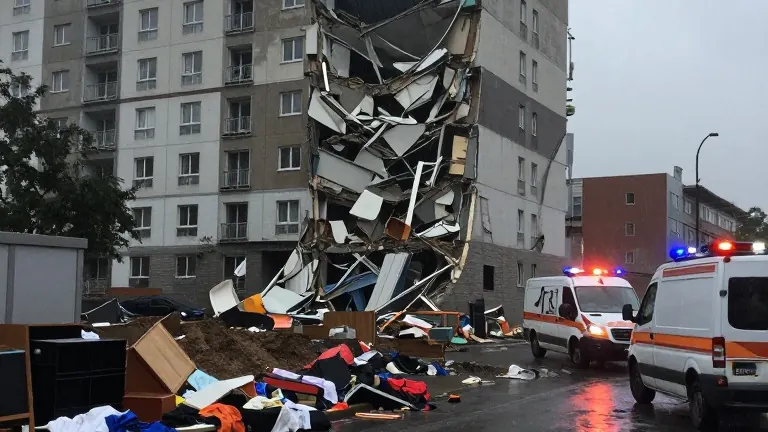
A building collapsed into a construction site at Flatbush and Bedford Avenues, killing at least eight people while the state continues to reject a bill allowing families to recover compensation for emotional distress.
By Tomas Gonzalez ·
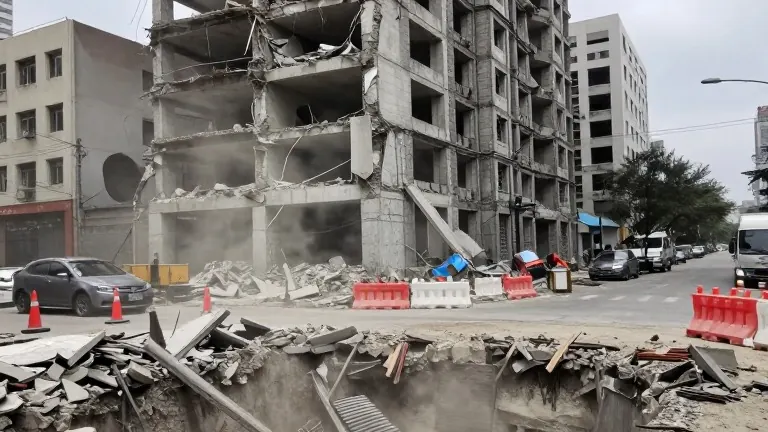
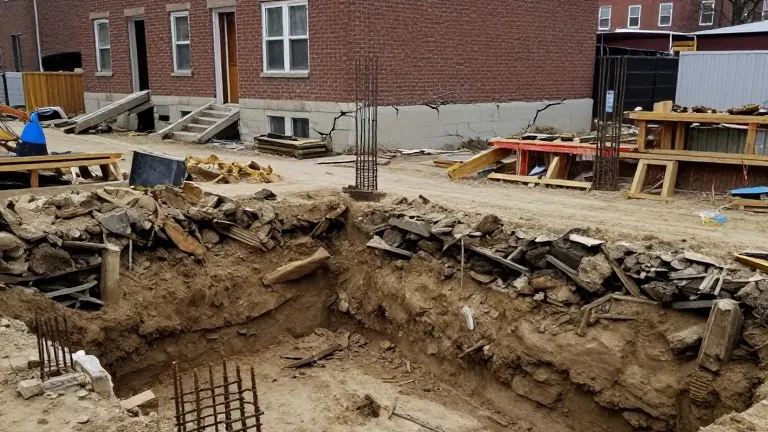
At least eight people died and 18 others were injured on Nov. 11 when a residential building collapsed into an active construction site at the corner of Flatbush Avenue and Bedford Avenue in Brooklyn.
The contractor operating the site had received multiple citations from the Department of Buildings prior to the accident. These included a stop-work order and a citation for failing to install required safety measures such as netting and sheds. Construction continued despite an inspection report, referenced by Mayor Zohran Mamdani, which documented cracks in the building's north facade.
Attorney Jay Gorayeb, who wrote an opinion piece on the incident, stated that the tragedy illustrates the human cost of jobsites that prioritize profits over safety. He noted that litigation is expected, but the current legal framework fails to account for the specific pain caused by negligence.
Gorayeb pointed to the Grieving Families Act as the first major update to New York’s wrongful death statute since the 1800s. The legislation would have permitted families of victims to recover compensation for emotional distress and anguish from responsible parties.
Under the proposed act, families could recover damages for grief, loss of love, protection, and companionship, as well as the loss of nurture, guidance, and education resulting from the decedent's death. Without the act, families are limited to recovering the victim's lost income and funeral or burial costs.
The New York State Legislature passed the Grieving Families Act four times, in 2022, 2023, 2024, and 2025. Governor Kathy Hochul vetoed the bill on each occasion, citing concerns that the measure would drive up insurance premiums.
Gorayeb argued that the repeated vetoes force families to choose between an insurance company's financial stability and the lives of New Yorkers, a decision that weighs heavily on those left behind by the Nov. 11 collapse.