Colorado Extension Advises Homeowners on Fall Lawn Maintenance
Experts recommend specific fertilizers, rakes, and aerators to strengthen grass before winter and prevent thatch buildup.
By Julian Schulz ·
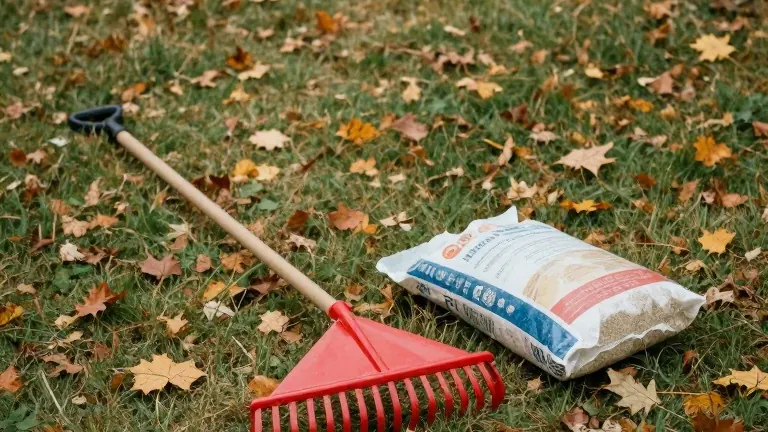
Homeowners should prepare their lawns for winter by applying specific fertilizers, raking leaves, and aerating soil to ensure grass survives the cold months.
The Colorado State Extension notes that aeration relieves soil compaction and controls thatch accumulation, which improves the root zone. Thatch is the spongy layer of dead grass material between the soil and the living grass. Removing it allows seeds to grow and prevents barriers to healthy development.
Local agriculture research and extension programs at state colleges provide detailed guidance on soil testing and watering schedules. These experts recommend using fertilizers formulated specifically for grass lawns rather than those for shrubs like azaleas. Lawn fertilizers contain primary ingredients of nitrogen, phosphorus, and potassium. Scotts Turf Builder Winterguard Fall Fertilizer Plus Weed uses a technology designed to latch onto weeds. Users should avoid overfertilizing, which can lead to crabgrass growth. Organic options exist that do not contain chemicals or manure, though the corn content in some mixes can attract critters.
Raking is recommended over blowing because it loosens thatch. The Buyplus Adjustable Garden Leaf Rake features a head that expands to 23 inches or folds to eight inches. The pole length adjusts between 24 and 63 inches. The steel handle and teeth are rust-resistant, although some users reported the handle as weak. The Ames True Temper rake has two rows of tines for speed but requires assembly. A wheeled rake option allows users to roll across the lawn to pick up leaves, though it also requires assembly.
Aerators help remove under-soil conditions that inhibit grass growth. The Agri-Fab Tow Plug Aerator attaches to a lawnmower and uses 32 galvanized knives to penetrate soil. It covers large areas quickly, but assembly can take up to four hours. A manual spike aerator pulls three-inch plugs and reduces back strain with cushioned grips, though it requires physical labor for large yards. A push aerator exposes grass to air and water as it moves across the lawn. The steel weight tray can hold a concrete block to push spikes deeper, but the block is not included with the unit.
Seeds fill bald spots caused by foot traffic, weather, or weeds. Mixtures containing mulch, seed, and fertilizer use controlled-release technology to feed seedlings. Drought and cold-resistant mixes promote speedy growth and stay green longer in winter, though some users report they bring weeds. A mix of tall fescue, perennial ryegrass, Kentucky bluegrass, and fine fescue is suitable for lawns with four to six hours of sunlight. This disease-resistant mixture contains fertilizer to stimulate growth but may contain too much ryegrass for some lawns.
Prices for these tools and products reflect the time of publication and may change. Homeowners can consult local university extension services for specific regional advice on grass types and soil conditions.