European supermarket fridges hacked again, forcing spoilage from Sweden to Belgium
The attack hit chains including ICA and Colruyt, raising temperatures to 50 Celsius and forcing the disposal of thousands of dollars in food.
By Julian Schulz ·
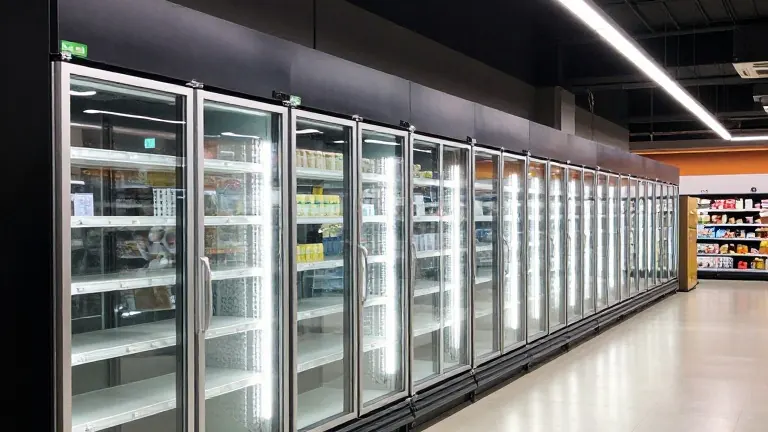
Shoppers across Europe woke up to empty cases and spoiled meat on Monday as a cyberattack forced refrigerators and freezers in dozens of stores to stop cooling. The incident disrupted operations for major grocery chains in Belgium, Luxembourg, and Sweden, echoing a similar wave of attacks that hit French supermarkets last month.
The hack raised internal temperatures in affected units, with one manager reporting that freezers reached 50 degrees Celsius. Engla Ingwall, a sales manager at an ICA franchise in Stockholm, stated that the attack began at 2 a.m. but was not detected until hours later. She described the situation at her store as a total loss, noting that everything was destroyed.
Several major retailers confirmed the damage. Ahold Delhaize and Colruyt in Belgium and Luxembourg reported issues with their cooling systems. In Sweden, both ICA and Coop were affected. Ahold Delhaize reported that 15 of its 700 stores in Belgium were impacted. Coop said seven of its 800 stores suffered unauthorized tampering with their refrigeration systems. In Ireland, wholesaler Musgrave said 13 of its SuperValu stores were affected, forcing the removal of chilled and frozen products.
Ikea also reported that at least one of its stores in Belgium was affected, though it could not rule out disruptions at other locations. Colruyt, which operates Spar stores in Belgium, said five shops had their fridge systems attacked. The spread of the incident indicates that the vulnerability is not limited to a single country or chain.
The attacks target temperature control technology from Danish firm Danfoss. The company stated that it has been working with customers to implement fixes. During the previous attack in France, Danfoss noted that affected units were running outdated firmware or had reached the end of their life, meaning they no longer received security updates. A cybersecurity firm had detailed a potential vulnerability in Danfoss systems over the summer, after which the company released a patch and urged customers to install it.
Katrien Eggers, a spokesperson for Belgium's Centre for Cybersecurity, said it is not yet known who is behind the attack and it may never be determined. She expressed concern about the growing number of incidents, noting that artificial intelligence is now used to exploit weaknesses in IT systems. She stated that all systems are potentially vulnerable and that sophisticated actors are increasingly successful in these exploits.
No group has claimed responsibility for the Monday attack or the previous one in France. European authorities are monitoring the incidents as part of hybrid threats to infrastructure. Moscow has denied involvement in sabotage operations since its 2022 invasion of Ukraine, but security tensions remain high. The European Commission described the digital threats as increasingly disruptive and a deliberate attempt to undermine consumer confidence in the food supply chain.
Christophe Hansen, the EU commissioner for agriculture, said the repeated occurrence of these cyberattacks is deeply concerning. He framed the incidents as a warning that must be taken seriously. Tom Hegel, a researcher at SentinelOne, noted that the absence of financial demands in recent cases points to sabotage rather than extortion. He added that retail is an easy target because chains run enormous estates of connected devices, making it difficult to trace the source of an attack.
Local business owners are feeling the direct financial impact. Luc De Laet, owner of a butchery chain south of Antwerp, was woken at 3:30 a.m. by an employee reporting a problem. He found his fridges turned up to 18 degrees Celsius. De Laet estimated the incident ruined about 15,000 euros, or 23,485 Canadian dollars, worth of meat. He said he contacted police but did not know if an investigation had been launched. He urged authorities to wake up to the situation, stating that the hackers are trying to destabilize European economies.
Cybersecurity analyst Ritesh Kotak told CBC News that the food system has been targeted before, citing a 2021 attack on meat supplier JBS and a 2025 attack on United Natural Foods. Kotak said the situation in France should serve as a wake-up call that such attacks need to be taken seriously. He predicted that the industry is going to see more of these incidents in the future.
Source: CBC News
More Business · Consumer Watch · Report a business · Got a Story?