German Chancellor Warns Russia Seeks Territory Beyond Ukraine
Friedrich Merz stated that Moscow is escalating tensions across multiple regions and that Europe must establish clear boundaries.
By Julian Schulz ·
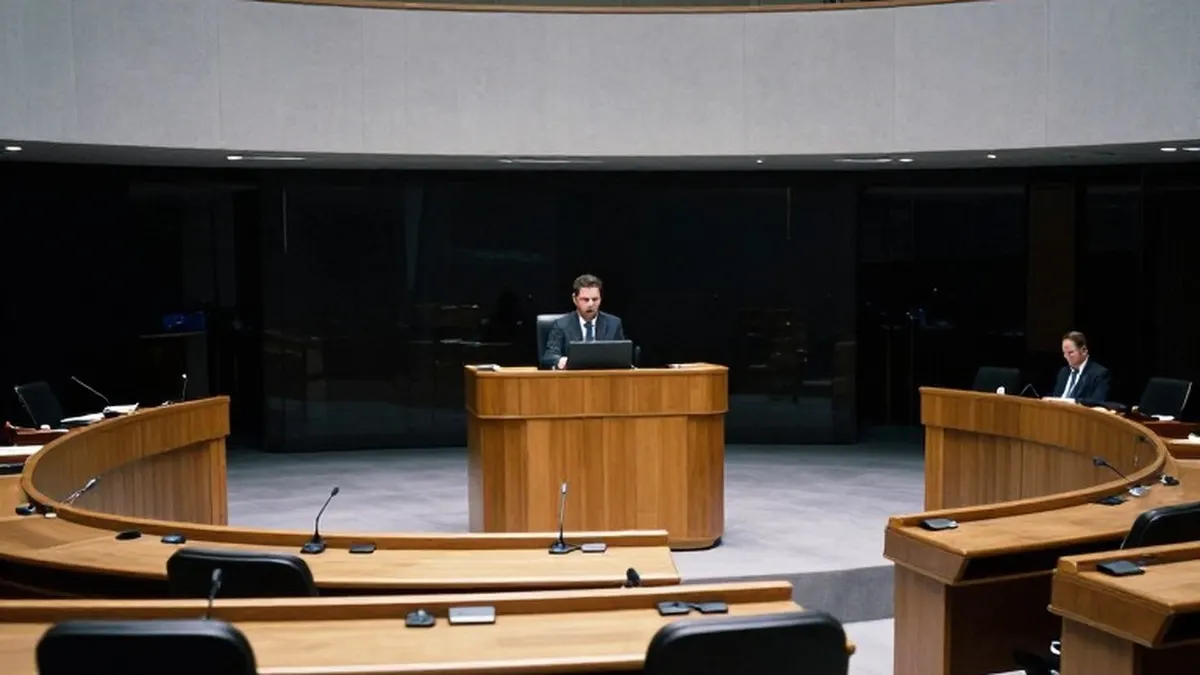
German Chancellor Friedrich Merz issued a stark warning on November 25, asserting that Russia’s ambitions extend significantly beyond the capture of Ukraine. Speaking during a budget address, the Chancellor described the current geopolitical landscape as one where Moscow is actively expanding its influence on a massive scale across various regions.
In his remarks, Merz emphasized that Russia has a precise understanding of its objectives. He stated, 'Russia knows exactly what it wants and Russia wants more than Ukraine.' The Chancellor suggested that those who fail to recognize this broader intent either do not comprehend the current state of the world or are advancing an agenda that conflicts with liberal values, freedom, and openness.
The speech highlighted a period of neglect in Germany regarding several critical domestic and strategic areas. Merz acknowledged that the country had overlooked fundamental challenges for an extended period, specifically citing defense, infrastructure, demographic shifts, and the economy. He stressed the urgent need to address these issues to bolster national resilience.
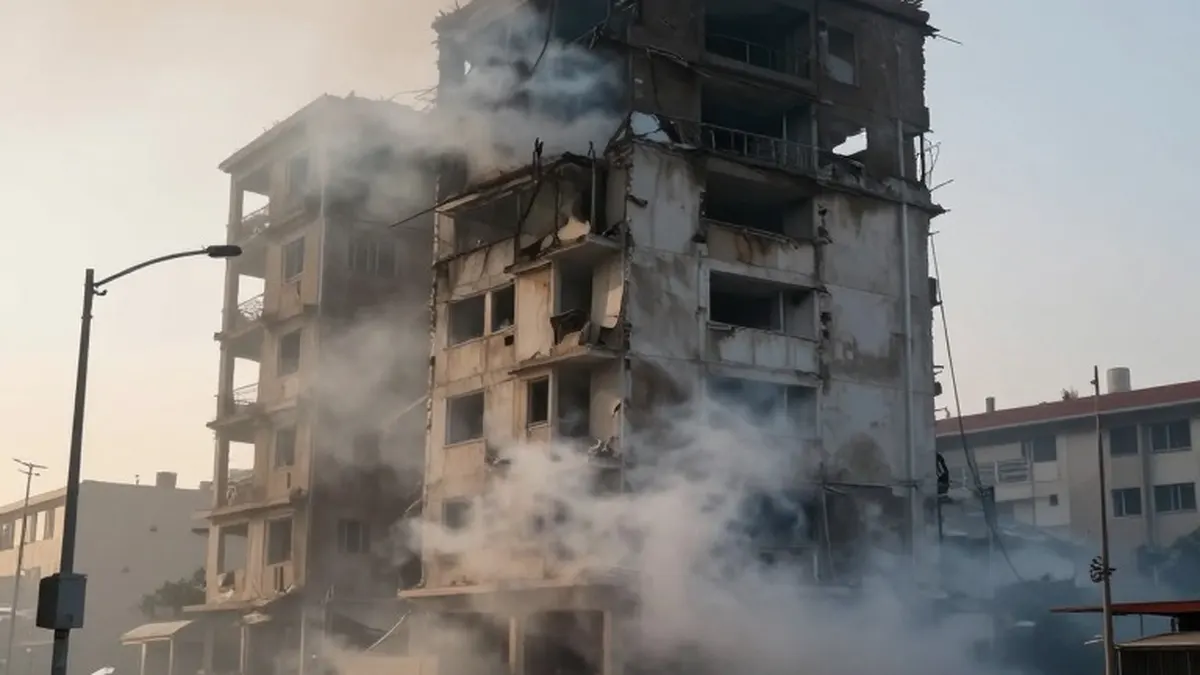
The Chancellor pointed to specific geographic hotspots where tensions are rising. He noted that Russia is increasing pressure in the Baltic region, along the border with Poland, and within the Black Sea. Merz even extended this observation to the realm of outer space, indicating that the escalation is not confined to terrestrial borders.
The threat, according to Merz, is not merely external but also affects the interior of Germany. He remarked that the escalation is occurring within national borders and is coming at the cost of human lives. This reality, he argued, compels Europeans to act decisively. 'That is the situation, ladies and gentlemen. And that is why we, as Europeans, must, and will, set clear boundaries for Russia,' he concluded.
This assessment comes amid heightened concerns from Western intelligence agencies regarding a potential new nuclear threat from Moscow. Reports suggest that Russia could deploy a satellite equipped with a nuclear warhead into orbit in the coming weeks, adding a new dimension to the ongoing conflict.
NATO Secretary General Mark Rutte has responded to these developments by affirming that the Alliance intends to defend itself against any threats in space. This statement aligns with the broader reports that Russia is preparing to launch a nuclear-capable satellite, a move that could shift the dynamics of the strategic balance.
Despite the alarming nature of these reports, German Defence Minister Boris Pistorius has urged a degree of calm. His call for composure contrasts with the urgent tone of the Chancellor’s warning, suggesting a nuanced approach within the German government as it navigates the evolving security landscape.
The Chancellor’s speech serves as a pivotal moment in German political discourse, framing the conflict not just as a bilateral issue between Russia and Ukraine, but as a systemic challenge to the European order. By linking domestic neglect to external threats, Merz has set a clear agenda for the coming months.
As Europe prepares for potential further escalations, the focus remains on how effectively the continent can delineate its boundaries and respond to the multi-domain pressures exerted by Moscow. The coming weeks will likely be critical in determining the pace and nature of these responses.