Hebron Lockdown Enters Week Two as 3,000 Residents Face Displacement
Israeli forces have closed all entrances to the city, detaining 110 people and cutting off vital services while settlers destroy local agriculture.
By Julian Schulz ·
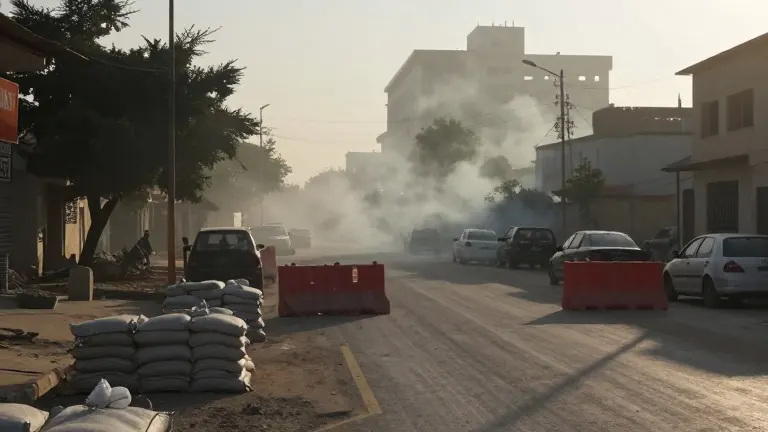
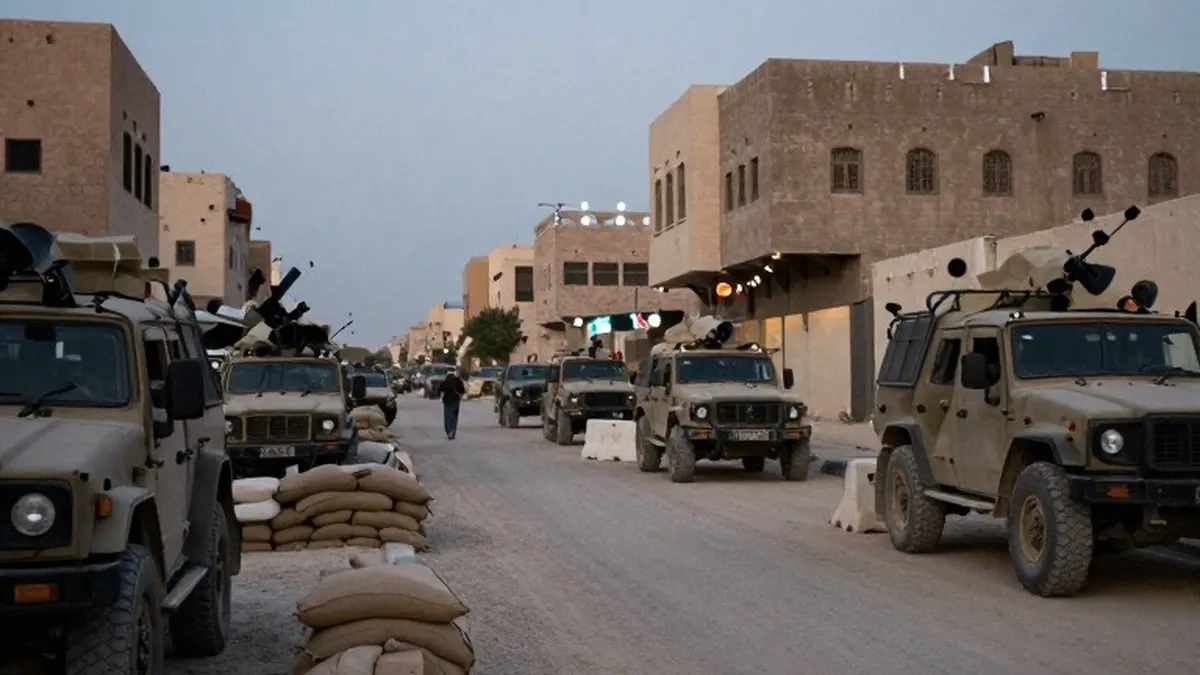
Israeli forces began their eighth day of a military lockdown in Hebron on Thursday, maintaining a siege that has sealed the occupied West Bank’s largest city. The operation restricts movement and blocks access to essential services. More than 3,000 residents have been forced to leave their homes since the blockade started last Friday.
The Palestinian Prisoner’s Society reported that 110 people were detained in the Hebron governorate during the first week of raids. The group said three women and seven children are among those held. On Thursday, Wafa news agency reported that two Palestinians were injured and seven detained. Settlers attacked residents and vehicles in the Ras al-Joura area near the northern entrance to the city.
The campaign follows the killing of two Israeli soldiers by gunmen at a checkpoint near the settlement of Telem. Prime Minister Benjamin Netanyahu announced on social media that he ordered security forces to close Hebron and prepare for a full lockdown across the region. He stated, “We will act to destroy this place, to change it completely.” Far-right Finance Minister Bezalel Smotrich called for a comprehensive military campaign similar to the war in Gaza.
Israeli troops conducted large-scale demolitions of Palestinian buildings and stormed the Ein Deir Bahha neighborhood. Forces evicted dozens of families at night, leaving them without belongings. Soldiers were filmed beating Hijazi Shawer, a 70-year-old shopkeeper and community leader. Tear gas canisters were also fired at Al-Ahli Hospital, causing panic among patients and staff despite international humanitarian law protections.
Settler violence extended to the Masafer Yatta region in the south, where 12 villages and hamlets were isolated. Residents and farmers lost access to urban centers and markets. Dozens of patients requiring daily medical care could not reach hospitals. East of the city, settlers uprooted more than 200 fruit trees and destroyed water wells. They prevented farmers from harvesting olives. Hebron accounts for approximately 40 percent of Palestinian industrial output and 30 percent of exports.
UN Human Rights Chief Volker Turk described the situation as a grave violation of international law, noting that threats to empty neighborhoods raise concerns of ethnic cleansing. Roland Friedrich, the UNRWA director for the West Bank, said the displacement echoes the situation in northern camps where 34,000 refugees remain displaced. Muhammed Shehada of the Euro-Med Human Rights Monitor called the actions a terror tactic to make life impossible for Palestinians.
Palestinian officials accused the government of using the operation to secure settler votes ahead of Tuesday’s elections. The human rights organization Al-Haq stated that the military operation constitutes a prohibited act of aggression. B’Tselem, an Israeli NGO, labeled the measures an act of collective punishment.
Source: Al Jazeera