KAN Poll: 52 Seats for Opposition Bloc, 50 for Coalition, With None Near 61
Israelis vote Tuesday in the first election since October 2023, with neither coalition polling close to the 61 seats needed for a majority.
By Tomas Gonzalez ·
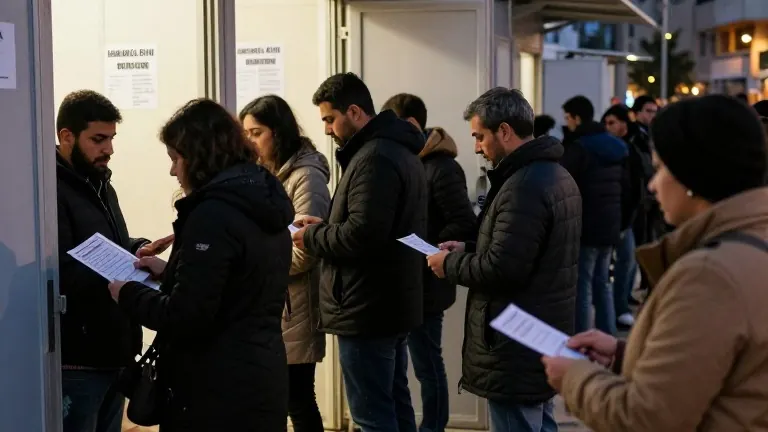
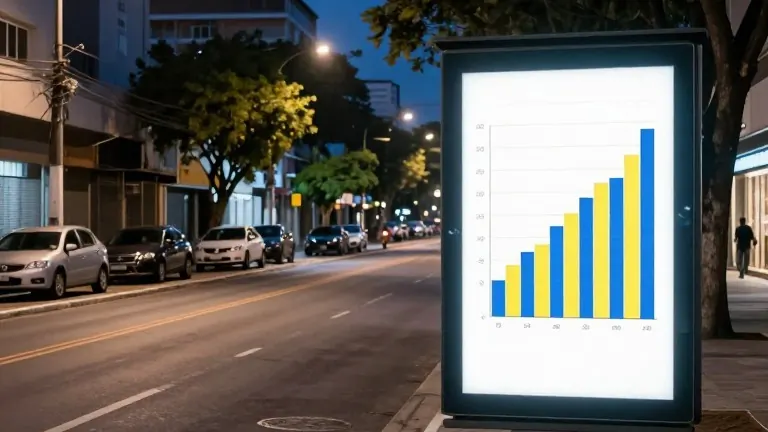
A final KAN poll released before the survey blackout began Friday projected the opposition alliance at 52 seats in the 120-member Knesset and Prime Minister Benjamin Netanyahu's Likud-led bloc at 50. The remaining seats went to unaffiliated lists, including Ra'am and the Joint List, the two main Arab-majority political groupings. Neither coalition reached the 61 seats required to command a majority in parliament.
Voting takes place Tuesday, the first legislative election since the Hamas-led attacks of October 7, 2023 and the military campaign that followed in Gaza. About 7.3 million citizens are eligible to cast ballots, including roughly 1.2 million Palestinian citizens of Israel. The Knesset's four-year term begins once a government is formed.
Netanyahu's bloc unites Likud with United Torah Judaism, Shas, Otzma Yehudi and Religious Zionism-Zehut, whose leaders include Itamar Ben-Gvir and Bezalel Smotrich. The opposition side assembles the Yashar party under Gadi Eisenkot, the Democrats under Yair Golan, Yisrael Beiteinu under Avigdor Lieberman, and the Together alliance under Naftali Bennett with Yair Lapid as Knesset opposition leader. Parties clearing the 3.25 percent threshold enter parliament.
Both blocs have ruled out partnering with the Arab-led lists for now, a condition that leaves each side short of 61 on the KAN numbers. Mairav Zonszein, a senior analyst at the International Crisis Group, said the secular and liberal opposition factions view this election as their last chance to restore institutions eroded across Netanyahu's successive terms. Joseph Mansour, a former aide to Knesset member Ayman Odeh, wrote for the Arab Center Washington DC that treating Arab party support as politically toxic could produce a deadlock that keeps Netanyahu in office as caretaker prime minister.
The Central Elections Committee voted last month to bar the Joint List and Ra'am from the race. The top court reversed that ruling and kept both lists on the ballot, but it required Balad leader Sami Abu Shehadeh to withdraw over an article calling the October 7 attacks "an important historical event". Polling before the blackout put turnout among Palestinian citizens of Israel at about 60 percent; campaigners targeted 70 percent, and turnout at 65 percent could deliver as many as 15 seats to the Arab lists.
Domestic arguments include demands for accountability around security failures before October 2023, the military exemption granted to the ultra-Orthodox community, and Netanyahu's judicial overhaul efforts. Netanyahu, prime minister for more than 15 of the last 17 years and 19 in total, faces corruption charges pending since 2019 and an International Criminal Court arrest warrant for war crimes.
About three million adult Palestinians in Gaza, the West Bank and East Jerusalem do not vote in the election that determines their borders, movement and legal status. At the United Nations General Assembly on September 24, dozens of envoys walked out during Netanyahu's address, some jeering and booing; several allies have since sanctioned settlements in the occupied West Bank.
Source: Al Jazeera