Iran, Saudi Arabia, Turkiye and Pakistan Agree to Keep Talking as Houthi Attacks Continue
Officials from the four countries met in Tehran and pledged continued dialogue on regional security while the Saudi-led coalition reported intercepting more Houthi missiles and drones.
By Julian Schulz ·
Saudi Arabia, Iran, Turkiye and Pakistan have agreed to keep talking about regional "peace and security", even as the Saudi-led coalition in Yemen reported shooting down a fresh wave of Houthi missiles and drones aimed at the kingdom.
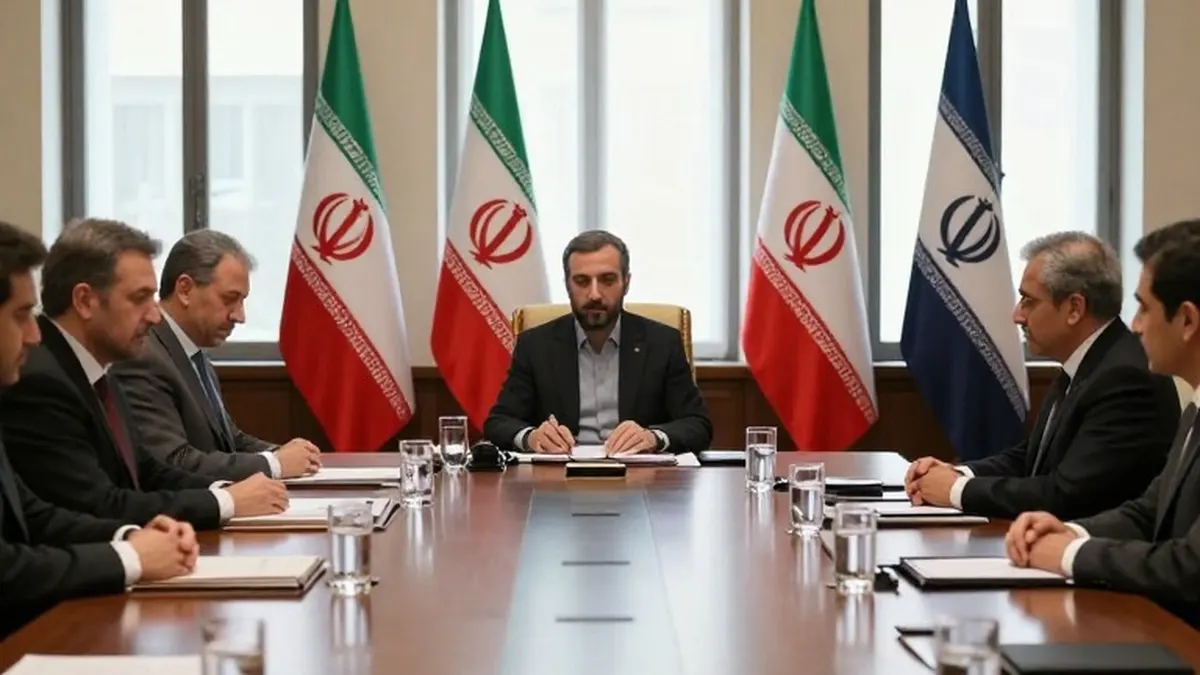
The meeting in Tehran on Monday was the first high-level contact between Iran and the other three countries since a war that began with US and Israeli strikes on Iran spread to Saudi Arabia and Yemen. The three countries signed the Mecca mutual defence pact in August. According to Iranian state media, a joint statement issued late on Monday said the four had agreed to continue the dialogue to strengthen cooperation, including on peace and security.
Early on Tuesday, coalition spokesman Colonel Turki al-Maliki said three ballistic missiles fired by the Houthis at Saudi Arabia's Eastern Province had been intercepted, with no casualties. Four drones heading for the south of the kingdom were also downed. The coalition added that it had destroyed three more drones over Riyadh and southern Saudi Arabia on Monday evening. The Houthis did not immediately comment.
Riyadh said the Tehran visit was meant to open negotiating channels to "prevent the return of military escalation". It sent Defence Minister Prince Khalid bin Salman, a younger brother of Crown Prince Mohammed bin Salman. Pakistan was represented by army chief Field Marshal Asim Munir, and Turkey by intelligence chief Ibrahim Kalin. Iranian state media showed President Masoud Pezeshkian, Foreign Minister Abbas Araghchi and Supreme National Security Council secretary Mohsen Rezaei at the meetings.
A senior Pakistani security official told Reuters the discussions centred on building a regional non-aggression network, and also covered US-Iran negotiations, the Houthi attacks on Saudi Arabia, the Strait of Hormuz and the US blockade of Iranian ports. A second Pakistani official said Munir, with US President Donald Trump's blessing to pursue diplomacy, had given Iran a proposal that would offer something to both Washington and Tehran, without providing details. If accepted, the Mecca pact states and Qatar could act as guarantors, the official said.
Rezaei said the visit showed that "American threats have little impact on countries around the world" and spoke of a "new and positive atmosphere" in the region. Foreign Ministry spokesman Esmaeil Baghaei had earlier said the meeting, proposed during Munir's visit to Tehran last week, could be a first step towards regional security arrangements.
The talks come as tensions between Washington and Tehran have sharpened. Trump said on Friday that the US may strike Iran again. An interim peace agreement brokered by Pakistan and Qatar in June was followed by a resumption of fighting between Iran and the US, and then by clashes between the Iran-aligned Houthis and Saudi Arabia, which opened a new front and worsened Yemen's humanitarian crisis.
Last month the Houthis seized strategic areas along Yemen's Red Sea coast from Saudi-backed government forces in a lightning offensive, prompting a counteroffensive and heavier Saudi strikes. The group has also hit Saudi airports, ports and oil facilities. An attack on King Khalid International Airport in Riyadh this month killed at least 13 people and wounded more than 300, the deadliest on the kingdom in over a decade.
On Monday the Houthis claimed another attack on the Riyadh airport and on crude oil pumping stations in western and eastern Saudi Arabia, which the coalition said it intercepted. The coalition said it retaliated by destroying five missile storage tunnels, four launchers and a missile depot. The wider war has restricted shipping through the Strait of Hormuz and pushed up oil and petrol prices. Egypt's Parliament also authorised its military on Monday to help defend Saudi Arabia.
Source: Al Jazeera