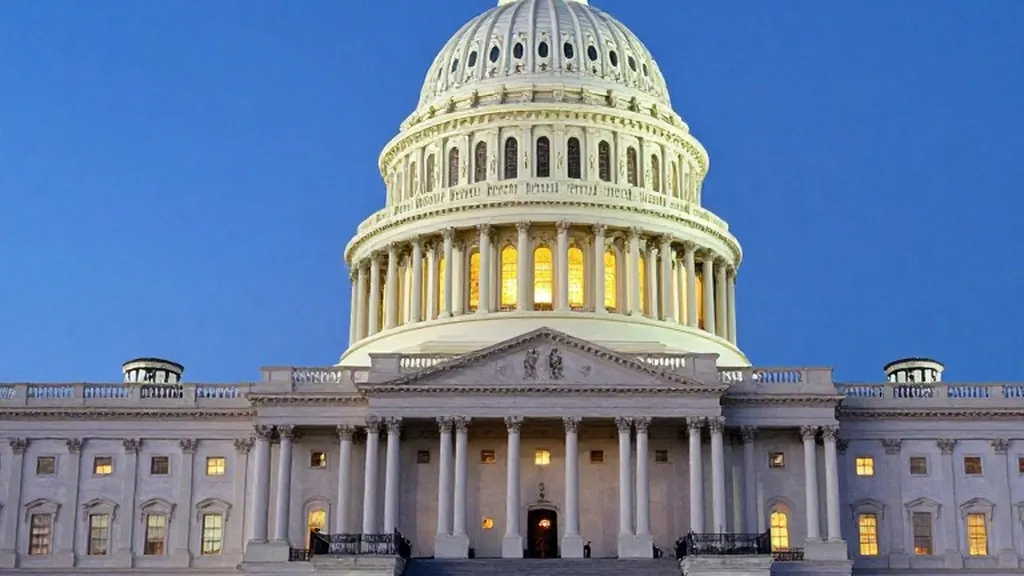
Lawmakers face tight deadline to keep government funded
With funding expiring in two weeks, Congress must pass a short-term measure and navigate a contentious defense bill before Democrats take control.
By Tomas Gonzalez ·

The federal government will lose its funding authority on December 11, forcing lawmakers to act quickly to avoid a shutdown. This date marks the expiration of a stop-gap measure that has kept operations running for the past month. Members of Congress have only weeks left before the 119th session ends and the new leadership takes over.
The standard process for funding the government involves twelve separate appropriations bills. That detailed approach requires significant time and political cooperation, resources that current leaders say they do not have. As a result, the chamber is expected to pass another short-term bill, known as a continuing resolution, to bridge the gap.
Lawmakers must also address the National Defense Authorization Act, an annual package that provides military funding. This year, the bill is entangled in the politics of the ongoing conflict with Iran. A majority of Americans oppose the war, a sentiment President Trump acknowledged as a driving force behind his party's loss in the recent midterms.
The House is preparing to vote on an impeachment effort against Secretary of Defense Pete Hegseth. The measure was introduced by Republican Thomas Massie of Kentucky. It charges that the administration failed to properly consult Congress on the military campaign. Massie is also noted for his role in securing the release of the Epstein files.
Democrats, who are weeks away from controlling both chambers, are expected to hold a firm line on legislation. Major items like the Protect College Sports Act and a bipartisan energy permitting overhaul are likely to wait for the new term. These bills address college athlete compensation and regulatory processes, respectively.
Passing these measures will be difficult due to slim majorities and potential attendance issues. Many members are returning from a disappointing midterm performance. Mike Ricci, a Republican strategist and former aide to Speakers John Boehner and Paul Ryan, noted that logistical factors like closing offices and finding new work will help bring reluctant members back to Washington.