Democrats take both chambers, but Trump's $5,000 dividend promise faces steep legal hurdles
The President vowed checks for every adult if Republicans kept Congress, but Speaker Johnson now admits lawmakers must approve the massive spending.
By Julian Schulz ·
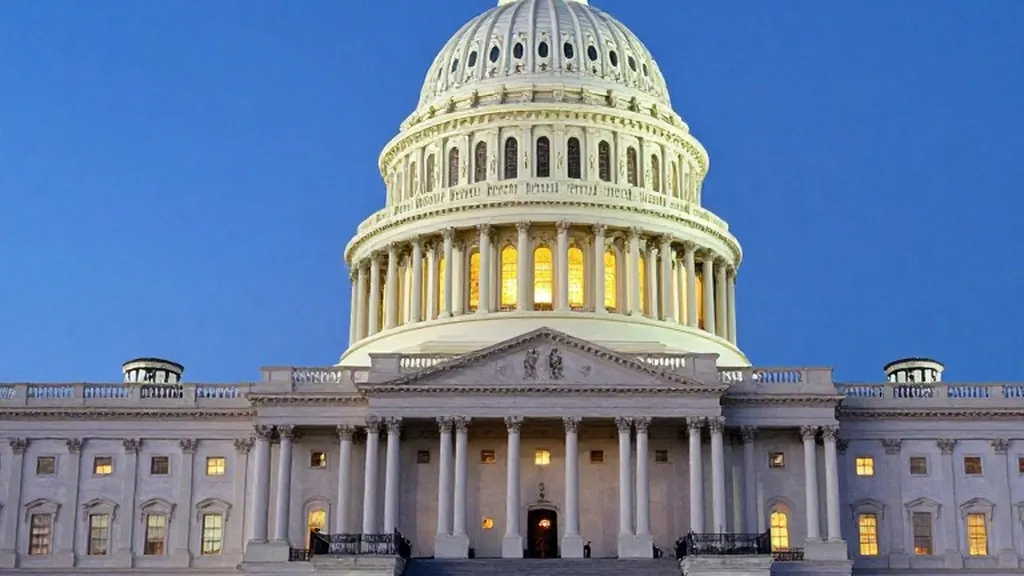
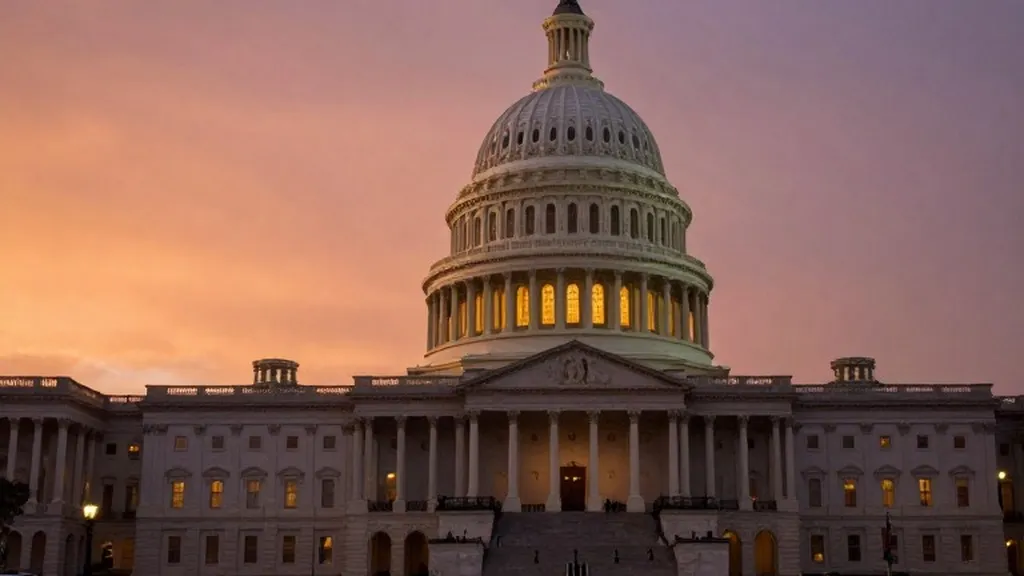
President Donald Trump promised a $5,000 payment to every American adult if the Republican Party retained control of both the House of Representatives and the Senate in the November 3 midterm elections. The pledge, dubbed the Trump Dividend, was made at the Republican Midterm Convention in Dallas. The condition required voters to keep the GOP in power on Capitol Hill, a threshold the party ultimately failed to meet as Democrats captured majorities in both chambers.
The election results have rendered the specific condition of the promise moot, yet the President has vowed to deliver the checks anyway. Trump told reporters before boarding Air Force One in Ireland that the $5,000 payment was going to happen 100 percent. This statement came despite the fact that his party lost control of both legislative bodies, a fact that complicates the legal and procedural path for such a large-scale disbursement of federal funds.
House Speaker Mike Johnson, who led the House for three years before the Democrats took over, stated on Sunday that congressional approval is needed for the dividend. He described the proposal as a creative idea and committed to working through it to find consensus. However, with Democrats now holding a 250 to 157 majority in the House and a 54 to 44 majority in the Senate, the President's party no longer commands the legislative agenda necessary to pass such legislation swiftly.
The cost of the dividend is a central point of contention. Estimates suggest the payment would cost the federal treasury more than $1 trillion, potentially straining the national budget which already faces a nearly $1.8 trillion annual deficit. The U.S. Census Bureau estimates there are about 245 million U.S. citizen adults, and giving each of them a $5,000 check would total approximately $1.2 trillion. This figure excludes U.S. citizens living abroad, a group that could number in the millions.
Trump cited tariff revenues as a potential funding source for the checks, arguing that the administration is taking in so much money that the payment would be easy enough to handle. Vice President JD Vance told Fox News that some of the money would come from tariff revenue. However, the One Big Beautiful Bill Act, which became law in 2025, did not include a separate tariff dividend, meaning the money must still pass through the legislative process.
Bipartisan criticism has emerged regarding the feasibility and timing of the promise. Republican Texas Congressman Chip Roy wrote on social media that dependency is evil and soul-sucking in all its forms, questioning the price tag. Democratic leaders have signaled that while they are open to working with the President, they will prioritize lowering the cost of living and investigating executive branch actions. Rep. Robert Garcia, poised to chair the House Oversight Committee, stated that the days of not fighting back are over.
Election law experts have noted that while promising financial incentives during a campaign is likely protected by the First Amendment, the execution requires legislative action. UCLA law professor Rick Hasen said Trump would have a strong First Amendment defense for making the promise, citing the 1982 Supreme Court case Brown v. Hartlage. However, Hasen also noted that the President does not have the power to do this on his own and must get Congress to do it.
PolitiFact found that the biggest payment is far from certain, citing the lack of a formal plan from the White House and the doubts cast by fiscal experts. The fact-checkers noted that the administration has announced no detailed mechanism for how Americans would receive the money. Senator Bernie Moreno of Ohio said he would introduce legislation to fund the proposal, but analysts said such legislation is unlikely to attain the required 60-vote supermajority in the Senate, a hurdle that is even higher now that Democrats control the chamber.
The promise comes as voters remain frustrated with the cost of living, a key issue that drove the Democratic victory in the midterms. About eight in 10 voters said inflation has caused a severe or moderate financial hardship for their households. While Trump declared that inflation is solved, consumer prices rose 3.6 percent in September from a year earlier, according to the Commerce Department. The dividend is seen by some as an attempt to buffer voter sentiment, but the loss of congressional control complicates the delivery of this economic relief.
The new Democratic leadership in Congress, including House Speaker-elect Hakeem Jeffries and Senate leaders, will now decide whether to work with the President on the dividend. Jeffries has said he is ready to work with the other side whenever and wherever possible to deliver real results. However, some new Democratic senators have expressed skepticism about working closely with the administration, warning that the next two years must be used to make a real difference in the lives of working-class families rather than just investigating the President.
The Trump Dividend joins a list of previous payment promises that have not fully materialized. In November 2025, Trump promised $2,000 tariff dividend checks, which never went out. In February 2025, he endorsed a proposal for DOGE dividend checks based on government savings, which also did not materialize as claimed. The $5,000 promise now faces the same scrutiny, with the added complexity of a divided government where the President's party no longer holds the keys to legislative passage.