Pennsylvania session ends with record low bill count as skill games expire
Lawmakers passed fewer individual measures than in any two-year period since 1973, leaving key issues like sexual abuse reform and data center rules unresolved.
By Julian Schulz ·
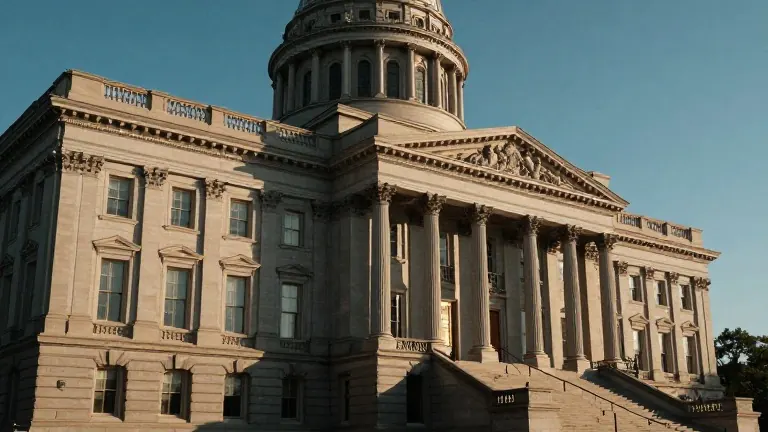
The Pennsylvania General Assembly concluded its 2026 session with a low legislative output, passing fewer individual bills than in any two-year period since at least 1973. A Spotlight PA analysis confirmed the record-low count, though some officials noted that complex budget deals have made exact tallies difficult to maintain in recent years. Members of both the Republican-led Senate and the Democratic-controlled House agreed that partisan tensions contributed to the stalled productivity.
The most immediate consequence of the session's close is the expiration of the legal stay on skill games. The state Supreme Court ruled the slot-machine-like devices illegal in June, keeping a stay in effect until last week to allow lawmakers time to create a regulatory framework. That deadline has now passed. Skill games are officially illegal and are being removed from bars, restaurants, and convenience stores across the commonwealth. House Majority Leader Matt Bradford stated that a deal had been reached but that the Senate failed to secure the necessary votes to pass it.
Senate Majority Leader Joe Pittman did not deny that a deal existed in a statement issued Thursday. He noted that his caucus had proposed its own regulatory bill but emphasized the complexity of gaming reform. No bills to regulate and tax the industry received a floor vote this session, despite Governor Josh Shapiro's February budget proposal calling for a tax rate of approximately 50%, similar to casino slot machines. Bradford criticized the Senate for abandoning the agreement, saying, "The Senate ran off again because they could not get the votes."
Other high-profile bills also failed to advance. A measure to allow survivors of childhood sexual assault to sue abusers beyond the standard statute of limitations did not pass the Senate. The House passed its version in June, but the Senate has not acted. Former House Speaker Mark Rozzi, a survivor of abuse by a Catholic priest, blamed Senate Republican leadership for the inaction. He stated, "Victims that are hanging on for this law to pass.. deserve their day in court."
Partisan conflicts also stalled stricter voter ID requirements and data center regulations. While the House passed a bill preventing data centers from obtaining public utility status, the measure has not moved through the Senate. The state budget deal included a provision requiring data centers using more than 10 megawatts of electricity annually to disclose energy and water usage, but broader proposals to limit tax breaks and allow local moratoriums remain pending.
State Senate President Pro Tempore Kim Ward told a party committee dinner this week that it is hard to get things done when trust is low between parties. She compared the current atmosphere to her time working with former Governor Tom Wolf. In response, Shapiro’s spokesperson Rosie Lapowsky blamed the Senate Republican majority for intransigence, saying they refuse to put bipartisan bills up for a vote.
Lawmakers have only a handful of voting days left before the next session begins, with new legislators scheduled to be sworn in in January. State House Democrats held a news conference on Wednesday to criticize the Senate for not holding more votes on bills already passed by the lower chamber. Any legislation that is only partially through the process will need to restart in the new session.
Source: Mon Valley Independent