Billionaires Pour $300m Into Stopping California's 5% Asset Tax
A 10-to-1 funding advantage has fueled a historic ad campaign for the Nov. 3 ballot measure, leaving supporters to fight misinformation with limited resources.
By Tomas Gonzalez ·
California voters face a heavily funded opposition campaign as they prepare to decide on a one-time 5 percent tax on billionaire assets on November 3. The measure, known as Proposition 40, targets individuals with net worths above specific thresholds to raise revenue for public education and climate initiatives. The high cost of the fight has made this the most expensive ballot measure in state history.
Opponents have raised more than $300 million to block the tax, far outpacing the $32 million collected by supporters. David McCuan, a political science professor at Sonoma State University, notes that this spending places the race among the most costly campaigns of the midterm elections. Major donors include Google co-founder Sergey Brin, Doordash founder Tony Xu, and Stripe co-founder Patrick Collison. Other contributors include Ripple co-executive chairman Chris Larsen and venture capitalists John Doerr, Michael Moritz, and Vinod Khosla.
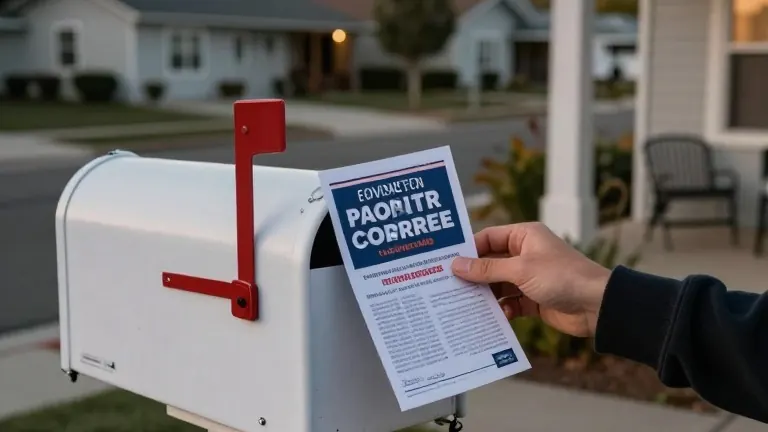
The disparity in funding has resulted in a ubiquitous advertising campaign that has confused many residents. Brian Galle, a Berkeley economics professor and co-author of the proposal, found flyers in his mailbox containing inaccuracies, such as claims that the tax applies to all residents and their retirement savings. Ashley Craig, a volunteer for the group Patriotic Millionaires, reports that voters frequently express fear that the tax includes secret provisions extending to everyone. She describes the environment as an "Alice in Wonderland alternate reality" where misinformation is prevalent.
The tax structure requires a two-thirds majority in the assembly to change, and any modification must align with the original intent. Despite this, the volume of negative ads has led voters to believe the tax may soon include them personally. The lack of ground support from the state Democratic party has compounded the difficulty for pro-tax volunteers. Craig stated that the party has not provided sufficient resources for social media, door knocking, or phone banking, which she attributes to internal party dynamics.
Political analysts view the measure as a test between progressive and moderate Democrats. McCuan suggests that a loss could serve as a political lesson for the party, framing big tech as a primary obstacle. This tension is visible in the opposition from California Governor Gavin Newsom and gubernatorial candidate Xavier Becerra. Newsom, who is considering a 2028 presidential run, has called the tax poorly written and warned that it could harm the state if billionaires, who hold an estimated $2.3 trillion in wealth, leave the state.
Mark Zuckerberg, who has not donated to opposition funds, plans to buy a home outside California to avoid the tax. Meta’s board, which includes Xu and Collison, created a new class of shares that Zuckerberg can use to pay the tax. This move highlights the strategic steps wealthy individuals are taking to mitigate the financial impact of the proposed legislation.
Opponents are also backing two additional ballot measures. One would prohibit new state taxes based on personal property or retroactive taxes. The other would require state auditors to review the financial impact of proposed taxes before voters decide. If these measures pass and receive more votes than the billionaire tax, they could negate the asset tax even if it passes.
Recent polling by the Public Policy Institute of California shows voters support the billionaire tax by a small margin, while also supporting the two opposing measures. Mark Baldassare, the institute’s statewide survey director, notes that only about a third of citizen initiatives pass, placing the burden on the yes side. Suzane Jiminez, chief of staff at the SEIU health workers union, expressed confidence in the vote count, noting that 3,000 volunteers have recently distributed explanatory flyers across the state.
Source: Al Jazeera