Restaurant owners absorb rising costs as food inflation squeezes margins
Chefs report double-digit increases in ingredient prices, while a new report highlights how corporate consolidation in food processing limits competition for consumers.
By Nia Foster ·
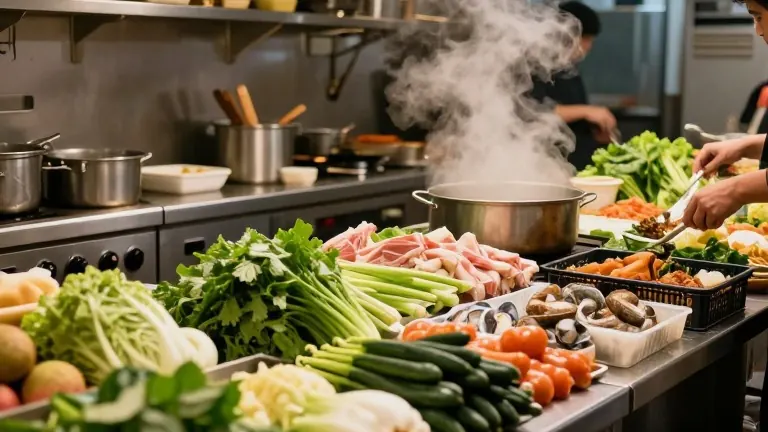
American consumers face a tightening food economy, with rising costs affecting both grocery shoppers and restaurant patrons. In Boston’s South End, the price of a seared cod dish at Baleia has increased from $29 to $37 over the past two and a half years. Chef Andrew Hebert attributed the hike to the soaring cost of wild-caught Icelandic cod. Hebert noted that sales have declined this year compared to the previous two years, forcing the restaurant to absorb some losses rather than raise prices further.
The pressure on restaurant margins is not isolated to seafood. Peter Nguyen, a partner at Lê Madeline in Quincy, stated that the cost of a case of lettuce jumped from $35 to $80 in a matter of months. Nguyen explained that operators often cannot adjust menu prices in real-time with inflation, leading to reduced profit margins. He added that many customers are unaware of the operational costs behind the final menu price.
Macroeconomic factors are driving these increases. A war with Iran has disrupted energy markets, raising the price of fuel, fertilizer, and transportation. Additionally, tariffs have made imported ingredients more expensive, while immigration enforcement has affected the labor supply in farming and processing. According to recent data, approximately 5.5 million people lost SNAP benefits between July 2025 and July 2026, a change partly attributed to legislation passed under the Trump administration. A survey by RELEX found that 71 percent of respondents are cooking at home more frequently than a year ago.
Structural changes in the food supply chain are also contributing to higher prices. A report from the Center for American Progress indicates that four companies control 85 percent of US beef processing, 67 percent of pork processing, and 60 percent of poultry processing. This concentration of power has drawn scrutiny from Democratic lawmakers who have pledged to address affordability issues in the coming Congress. Rhode Island Lieutenant Governor Sabina Matos criticized a proposed $29.1 billion merger between Sysco and Jetro Restaurant Depot, arguing that the deal would collapse competition among restaurant suppliers. The merger is currently under review by federal regulators.
Massachusetts Senator Elizabeth Warren warned in October that increased consolidation leads to fewer choices and higher prices for consumers. She noted that the trend harms both independent restaurants and small farmers. In response to rising costs, Stop & Shop, the state’s largest grocery chain, stated that it lowered prices on thousands of items across Eastern Massachusetts last year. A spokeswoman for the company said the chain continues to offer weekly promotions and personalized loyalty offers to help customers save money.
Incoming Democratic officials have proposed specific legislative actions to counter these trends. Senator-elect Adam Hamilton of Kansas supports a national ban on dynamic pricing, which uses algorithms to adjust prices based on shopper data. Senator-elect James Talarico of Texas has pledged to defend SNAP and WIC programs while scrutinizing mergers and removing tariffs on certain produce. Governor-elect Gina Hinojosa of Texas has promised to ban what she terms predatory surveillance pricing in grocery stores.
Restaurant owners in the Boston area report that cost increases are often permanent. Conor Brennan, owner of Locke Bar in Cambridge, said that expenses for beef, potatoes, and beer have risen and rarely decrease. He noted that once a cost increase is applied to an invoice, it seldom comes off. Tambo Barrow, owner of BRED in Dorchester and Cambridge, said that delivery platforms like Uber Eats and DoorDash can charge commissions of up to 30 percent of an order. Barrow stated that these platforms expect restaurants to keep menu prices the same as in-store pricing, forcing operators to absorb the commission difference.
More Business · Consumer Watch · Report a business · Got a Story?