Why Building Homes in San Francisco No Longer Adds Up for Developers
A city economic report found nearly all types of housing projects financially unworkable, pushing builders and researchers to look to small infill lots for a way out.
By Naledi Dlamini ·
Patrick Kennedy builds apartment buildings for a living, but not the towering kind. The owner of Panoramic Interests specializes in modest four- or five-story buildings with 10 to 15 units, and he has put up dozens in Berkeley and San Francisco. Even so, he says getting a project to make financial sense has never been harder. "It is a brutal time right now," Kennedy says, noting that building a generic two-bedroom apartment costs about $1 million.
Developers describe the core test as whether a project "pencils out," meaning construction, land and financing costs must add up to a return that satisfies investors and banks. At the moment, the answer is largely no. Ted Egan, San Francisco's chief economist, reached the same conclusion: "The market has given up on housing construction in San Francisco until the economics change."
That finding came from a report issued in May by Egan's office, prepared with the real estate financing consultant Century Urban. The team tested projects ranging from a 45-foot building with 13 units to a 245-foot high-rise with 341 units, under affordable-housing mandates from 20% down to none. For condominiums, only one of 30 scenarios appeared workable: a 130-unit midrise with all units at market rate. No rental project penciled out, even with no mandate and "even if land costs were zero."
In July, the Board of Supervisors voted to cut, but not eliminate, the affordable-housing requirement. Under the revised rules, only projects with 25 or more units must price 5% of units below market rate. David Garcia of UC Berkeley's Terner Center for Housing Innovation says affordable housing often relies on subsidies that carry added requirements, which raise costs. The center found that each additional financing source adds $20,000 per unit, and Bay Area projects with affordable units often have more than 10 such sources.
The underlying costs are steep. Land makes up only about 10% of development costs in the Bay Area, according to the Terner Center, while hard costs account for roughly two-thirds. Concrete and lumber prices are about 50% higher than in 2016, and Bay Area wages run about 50% above the national average. Most estimates put San Francisco hard costs at $500 to $600 per square foot, and contractor Dan Leineweber says building costs alone can reach $600 to $700.
Soft costs and financing add further pressure. City metrics show an average of 119 days for Planning Department approval and 144 days for a building permit. Construction loan rates, around 4% five years ago, now reach as high as 10%. Investors typically want about a 20% return on cost to justify a project, which works out to roughly 6% to 8% annually given the time involved. "I can't spend three or four years on a project to just get 15%," Leineweber says.
A 2023 Terner Center report found conditions worsening in hard costs, soft costs and cost of capital, calling project viability in the Bay Area "nearly impossible." Garcia says the situation has only worsened since. "Throw any complexity in, and you lose the ability to pencil it out."
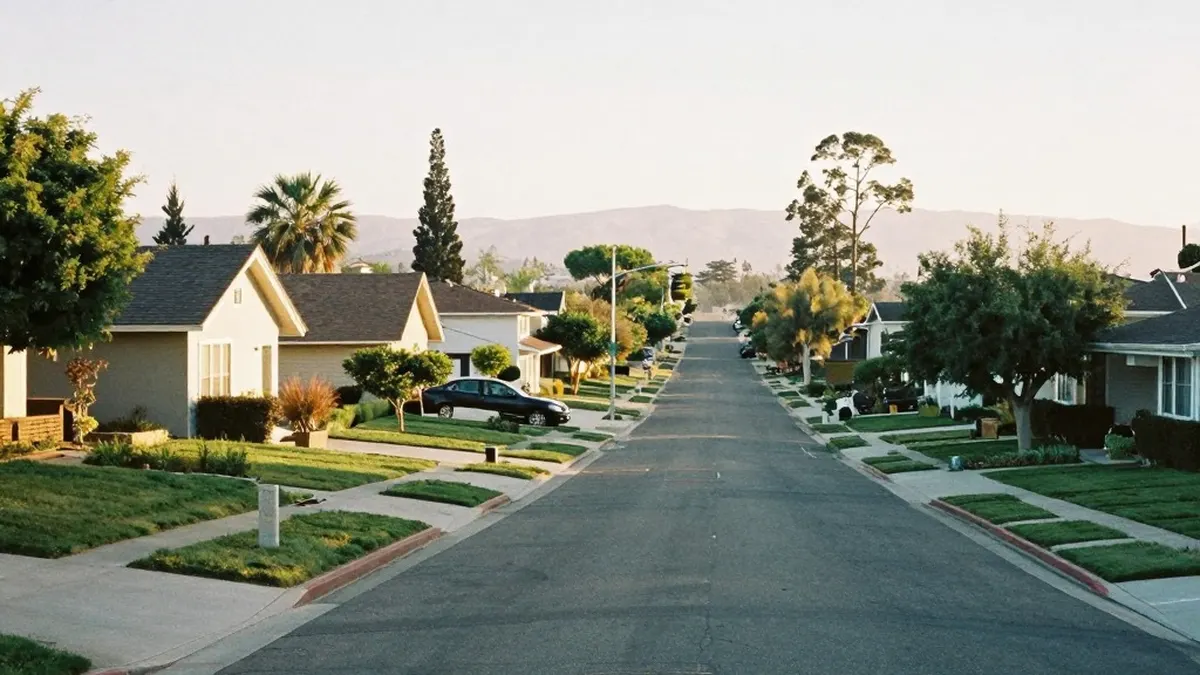
Some advocates see a way forward in thinking smaller. Peter Hirshberg of City Science Lab San Francisco, a civic innovation nonprofit, notes that two-thirds of the city consists of narrow lots, often 25 by 100 feet, suited to rowhouses and small apartment buildings. The group estimates such "missing-middle" infill, buildings of two to 20 units, could produce 25,000 or more homes in the next few years, about 10 times the 2,700 units built in the city last year. The group, an affiliated MIT Media Lab research project, is building a modeling tool to test how rule changes could improve the math.
Source: The San Francisco Standard
More Business · Berkeley news · Consumer Watch · Report a business · Got a Story?